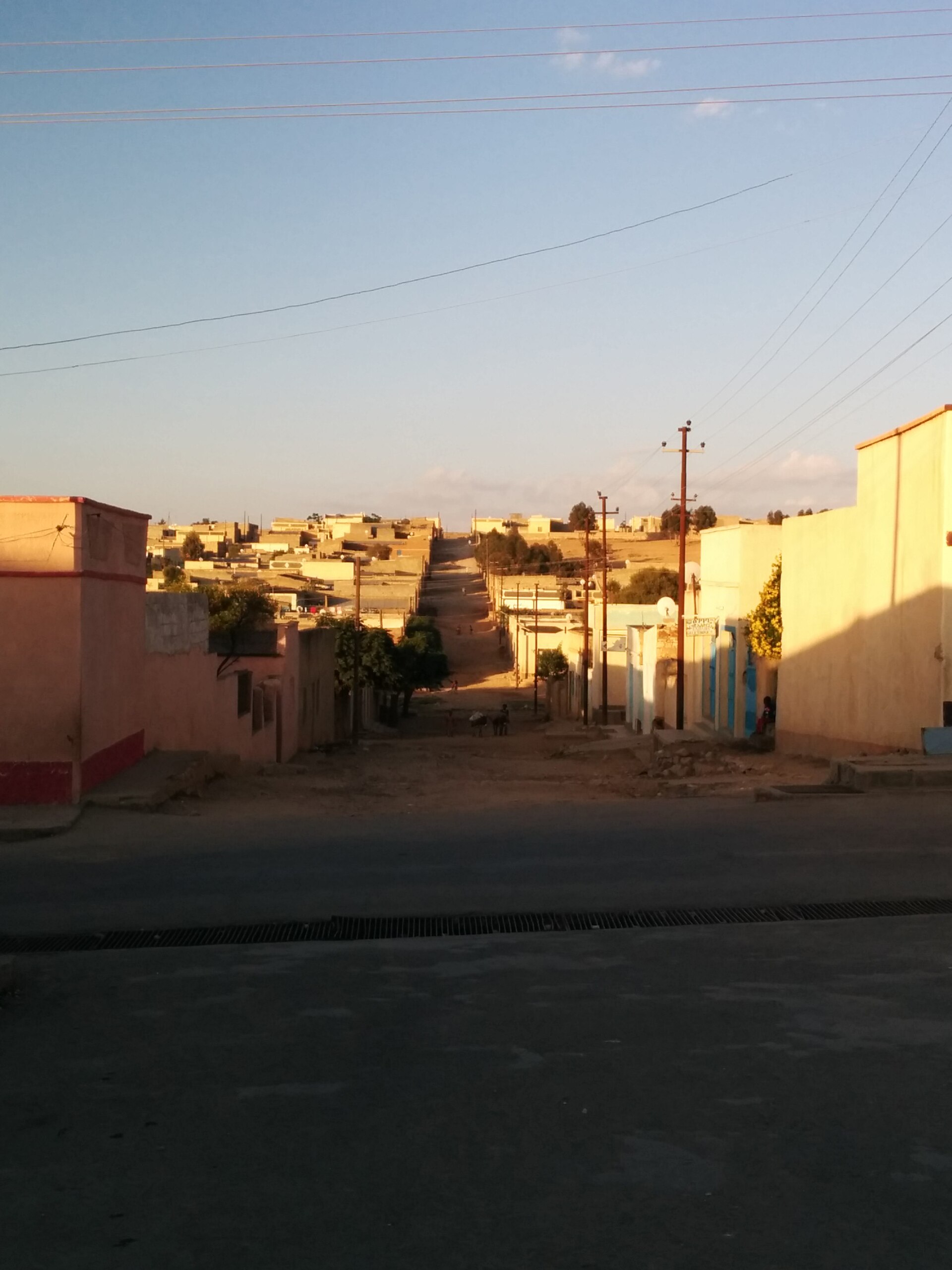
The market is the living pulse of Addi Keyh. It spills beyond paved roads, through alleys shaded by woven mats and corrugated metal. Here, stalls, workshops, and tea houses blend into the fabric of the neighborhood. The past and present coexist without fanfare, where the pace slows just enough to notice details most cities have erased.
The market’s history is tied to Addi Keyh’s own. Founded in the late 19th century as a colonial administrative hub, the city became a crossroads for trade and culture under Italian rule. The market remained untamed, shaped by the needs of those who relied on it. After Eritrea gained independence in 1993, it kept its raw character. No gleaming storefronts or air-conditioned malls exist here—just the unfiltered reality of a place built for survival.
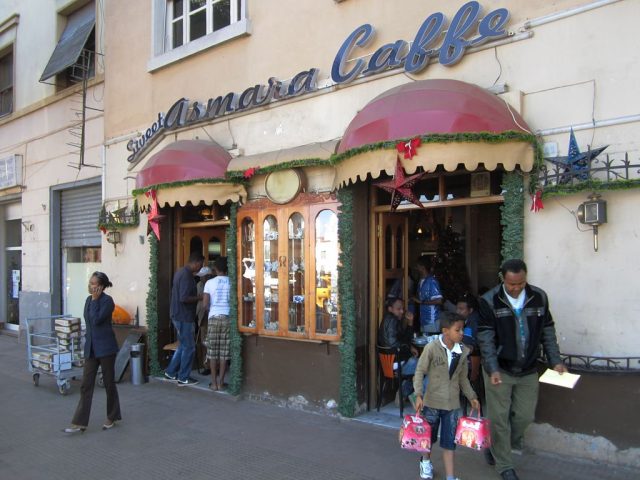
The architecture is a story of adaptation. Narrow passageways, worn smooth by decades of footsteps, lead past buildings marked by different eras. Some facades carry traces of Italian colonial design—arched windows, wrought-iron balconies—while others are patched together from whatever materials were available. The market belongs to everyone who sets up a stall, haggles over prices, or passes through. Each corner has its own personality, from the bold signage of a spice vendor to the quiet persistence of a cobbler in the shade.
What’s sold here reflects the needs of the people. Spices—turmeric, cardamom, chili—are piled high in burlap sacks or spread across wooden trays. Dried fish from the Red Sea sits beside fresh produce from the highlands. There are bolts of brightly patterned fabric, handmade pottery, tools, and even car parts, which mechanics repair on the spot. The market serves locals, offering whatever might be useful: a new pair of sandals, a secondhand radio, or a simple meal.
Artisans are the market’s enduring figures. In cramped workshops, craftsmen work with leather, metal, and wood. A cobbler mends shoes or stitches new ones from leather bought nearby. A blacksmith forges knives and horseshoes, his hammer striking in time with the market’s hum. These men work without hurry, knowing their skills are always needed. Their stalls resist a world that values speed over craftsmanship.
More than anything, the market connects people. Locals go about their day, stopping to chat, argue, or share coffee. Vendors don’t just sell goods—they share stories. An elderly man roasting coffee beans might tell you how his family has grown them for decades. A woman selling flatbread will insist hers is the best. Conversations spill into the aisles, turning strangers into temporary neighbors.
It’s not a perfect place. In the heat of the day, dust and the scent of sweat and fried food fill the air. Some stalls sell knockoffs or goods of questionable quality. But these imperfections make the market real. There’s no pretense—just the honest mess of daily life. Even the most ordinary item carries the weight of someone’s effort.
As evening falls, the market transforms. Stalls close, but cafes and tea houses open. Groups gather to drink coffee spiced with ginger and cardamom. The noise doesn’t fade; it softens. Music drifts from a radio, and for a while, the market is no longer just a place to buy and sell. It’s a place to sit, listen, and watch the city wind down.
Addi Keyh’s market isn’t a tourist attraction. It’s a place to wander without a map, to touch the fabrics, taste the food, and talk to the people who shape it. There are no signs explaining what you’re seeing. There’s just life, unfolding as it always has, and the chance to step into it.