Freedom Square in Addi Keyh is one of those places where Eritrea’s history feels almost tangible. It isn’t just an open space in the heart of the city—it’s a focal point where decades of struggle, change, and resilience have unfolded. This is where protests once filled the air with chants, where speeches shaped the course of the nation, and where the fight for independence still lingers in the quiet between footsteps. For locals, the square is more than a landmark; it’s a living connection between past and present, a place where the weight of history isn’t just remembered but felt.
The architecture surrounding the square tells its own story of shifting influences. Most of the buildings date back to the mid-20th century, a time when Eritrea was still under Italian colonial rule before later enduring Ethiopian occupation. The facades blend restrained modernism with neoclassical touches, their clean lines and symmetry giving the area a sense of order, even solemnity. The former municipal building stands out in particular, its tall windows and balanced proportions lending the square an air of quiet authority. There’s no grand ornamentation here, just a kind of understated dignity that suits the place.
The square itself is broad and uncluttered, with straight pathways and patches of grass that turn brittle under the dry season’s sun. Unlike many public spaces, it lacks towering monuments or fountains—just a few benches, a handful of trees, and the occasional vendor setting up a stall. Mornings bring a steady stream of people hurrying to work, while evenings see groups of teenagers lingering on the benches or families taking an after-dinner stroll. On national holidays, the square transforms. A stage goes up, music plays, and the space fills with voices, laughter, and the shared rhythm of celebration.
For a country that endured a long and brutal war for independence, Freedom Square has become a place of quiet remembrance. While there are no official memorials here, its significance as a symbol of resistance hasn’t faded. Older residents still recall the crowds that once gathered, the slogans that echoed off the buildings, the way every step taken here felt like part of a larger struggle. Today, that memory isn’t preserved through grand gestures but through the everyday life that continues to unfold around it. The square doesn’t demand attention; it simply holds space for what came before.
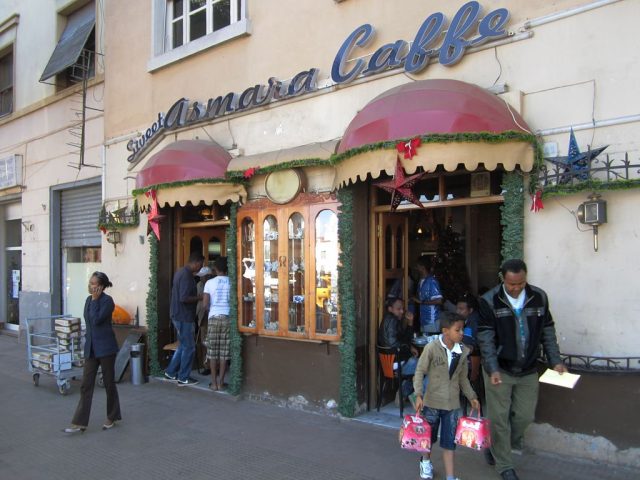
Addi Keyh is a city where tradition and modernity exist side by side, and Freedom Square is one of the clearest examples of that balance. Just steps away, small cafés serve strong Eritrean coffee, its rich aroma mixing with the scent of spices from nearby stalls. On some days, the square’s edges become an impromptu market, with vendors selling fresh fruit, handwoven textiles, and simple crafts. The atmosphere is unhurried, the kind of place where a conversation with a stranger might stretch into an hour, and where the line between history and daily life blurs.
Tourism in Addi Keyh remains modest, far from the well-trodden paths of other African capitals. Those who do visit often stumble upon Freedom Square by accident, wandering through the city center in search of something authentic. There are no flashy attractions here, no signs pointing to must-see sights. Instead, the square offers something quieter: a chance to observe how a place can carry the weight of history without making a spectacle of it. It doesn’t shout its importance, but if you pay attention, you’ll notice how the past lingers in the way people move, the way they gather, the way they simply exist within its boundaries.
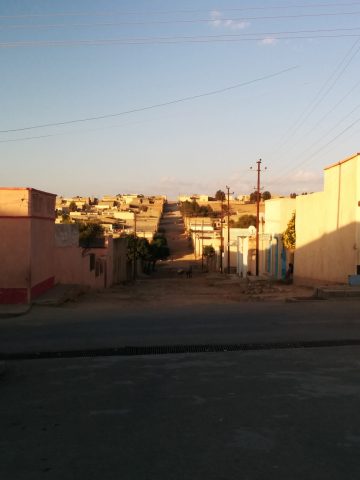
Time moves differently on Freedom Square. There’s no rush, no crowds jostling for the perfect photo. Instead, there’s a slow, steady rhythm—one that allows you to notice the small details. The way the light slants across the buildings in the late afternoon. The sound of children playing near the benches. The occasional elderly man sitting alone, lost in thought. These moments don’t feel staged or curated; they feel real, like fragments of a life that has continued here, uninterrupted, for generations.
What makes the square special isn’t any single feature but the way it embodies the spirit of Addi Keyh itself. It’s a place that doesn’t try to impress or entertain. It simply is—a witness to the past, a stage for the present, and a quiet reminder of what endures. For locals, that’s enough. It’s a space where history isn’t just something you read about but something you live, day after day, in the most ordinary of ways. And perhaps that’s the most honest kind of monument there is.