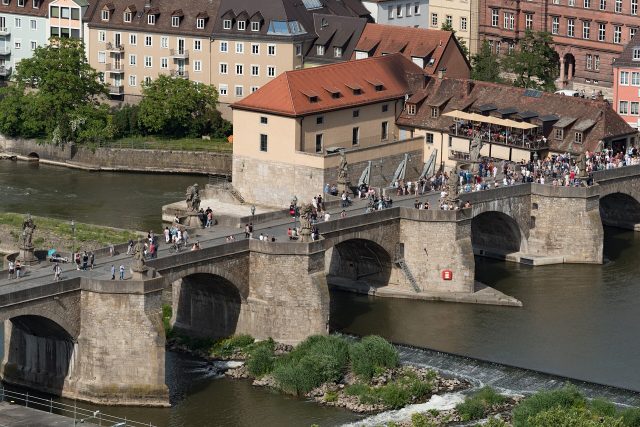
Würzburg’s Market Square is the kind of place where the city reveals itself without pretense, yet with unmistakable character. It doesn’t try to impress with grand facades or tourist traps; instead, it offers something far more genuine—a living tapestry of daily life, history, and local rhythm. The square isn’t large, but its modest size gives it an intimate, almost domestic feel. It doesn’t demand attention, even though it sits at the heart of the city, just steps from the Residenz and the Old Main Bridge. Here, life unfolds as it always has: people hurry to work, visitors pause to catch their breath, and vendors sell what the city actually needs—no frills, just the essentials.
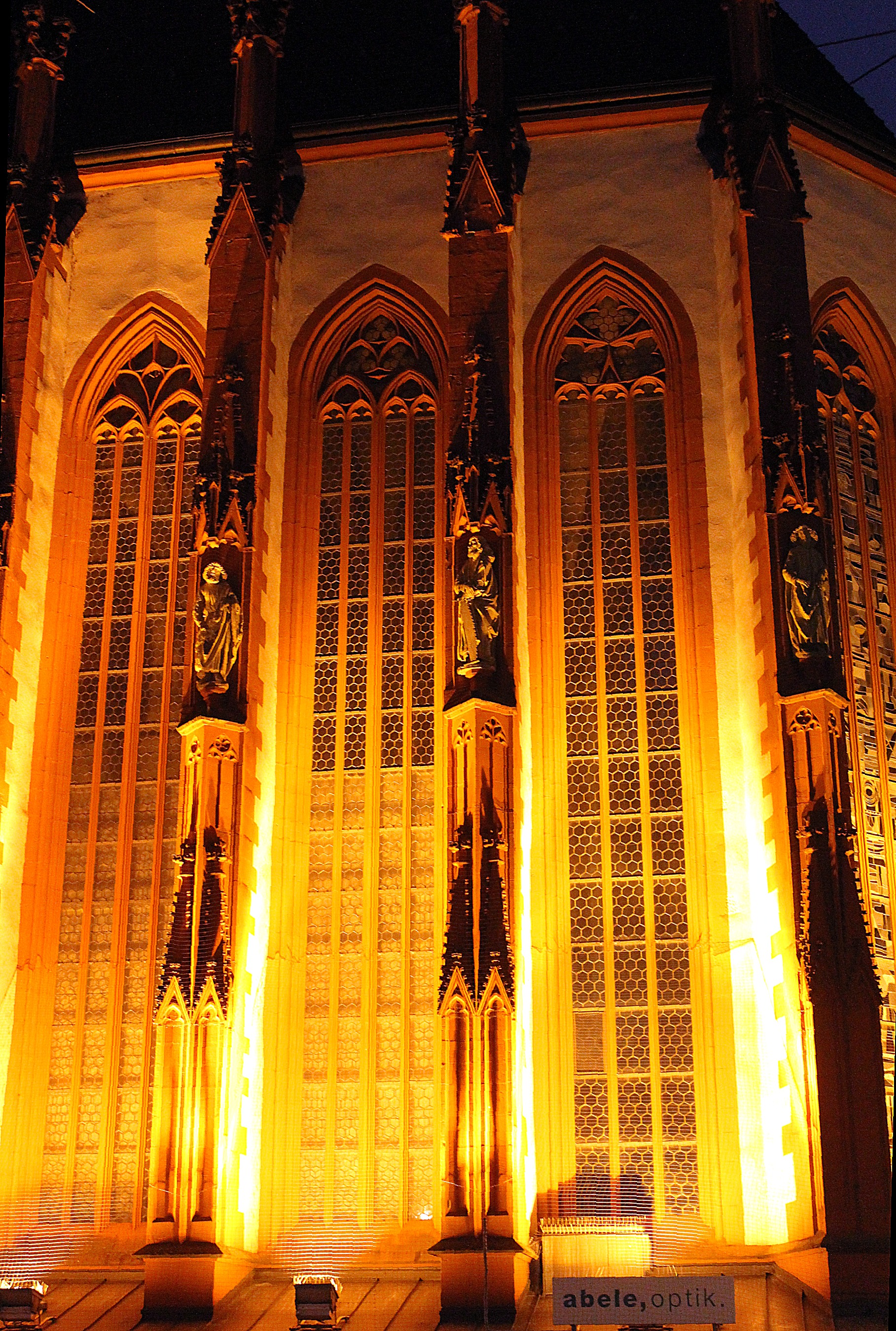
The architecture of the square tells Würzburg’s story in miniature. Half-timbered houses with dark wooden beams stand beside later stone buildings in Baroque and neoclassical styles. Some structures retain medieval details, while others were rebuilt after the war, yet together they form a harmonious whole. The Old Town Hall, with its tall tower, once served as a lookout post, and its clock still marks time as it has for centuries. Nearby, the Marienkapelle appears unassuming from the outside, but inside, it holds Renaissance-era works by local craftsmen—a quiet reminder of the city’s artistic legacy.
For centuries, the square has been the commercial heart of Würzburg. In the Middle Ages, it hosted fairs that drew merchants from across Europe, as the city was a key stop between Franconia and other regions. Trade flourished—cloth, spices, and, above all, wine, which this area has long been famous for. Today, the market is smaller, but the tradition endures. In the mornings, stalls appear with local goods: cheeses, sausages, fresh bread, and, of course, wine. Franconian wines, served in their distinctive bulbous bottles called Bocksbeutel, are a staple here, enjoyed not just on special occasions but as part of everyday life, shared over conversation.
The square’s atmosphere shifts with the time of day. Mornings bring a quiet energy as cafés open, vendors arrange their wares, and early risers sip coffee on terraces. By afternoon, the pace is steady but never rushed. Evenings, though, are when the square truly comes alive. As lanterns glow, their light reflects off shop windows, and the shadows of old buildings stretch across the cobblestones. There’s a sense that time moves differently here, slower and more deliberately. Locals often gather in the evenings, sitting on benches or at small restaurant tables, content to simply be.
Winter transforms the square entirely. A Christmas market takes over, one of the most atmospheric in the region. Wooden stalls offer treats and trinkets, strings of lights twinkle overhead, and the scent of mulled wine and roasted chestnuts fills the air. It’s a celebration that feels far removed from the sterile glow of shopping malls. In summer, the square hosts open-air concerts, theater performances, and small festivals. Würzburg prefers understated events that don’t disrupt the city’s natural rhythm, and the square reflects that preference.
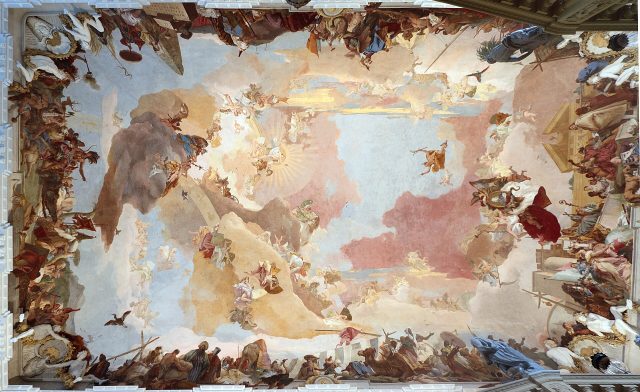
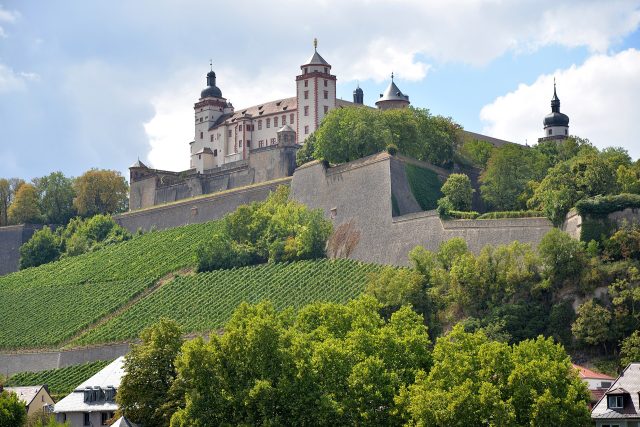
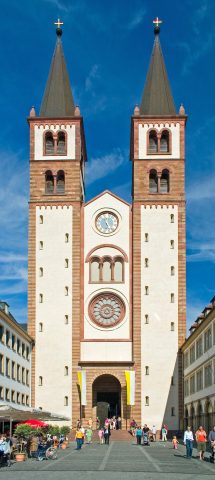
More than just a place to stroll, the Market Square is the perfect starting point for exploring Würzburg. From here, the Residenz, Marienberg Fortress, and the Old Main Bridge are all within easy reach. But many visitors choose to wander the surrounding streets instead, where narrow alleys lead to hidden courtyards, antique shops, and artisan workshops. The city doesn’t give up its secrets easily; it invites you to discover them at your own pace.
Würzburg hasn’t always been peaceful. During World War II, the city suffered heavy bombing, and the Market Square was no exception. Many buildings were destroyed, but later, they were carefully restored, preserving their historical appearance. This wasn’t a blind reconstruction but a thoughtful return to the past. Some structures look as if they were never touched by war, while others bear subtle marks of time, adding to their charm. Würzburg doesn’t hide its scars; it incorporates them into its story.
Today, the square is where different eras and lives intersect. Students from the university, founded in the 15th century, mingle with tourists drawn to the city’s Baroque palaces. Elderly locals feed pigeons, children play near the fountain, and all of this unfolds against the backdrop of buildings that have witnessed generations of Würzburg’s history. The Market Square doesn’t strive for perfection—it simply exists, and that’s its greatest strength. It doesn’t ask for admiration, but if you pay attention, you’ll understand why Würzburg is often called one of Germany’s most charming cities.