Ruins of Katz Castle
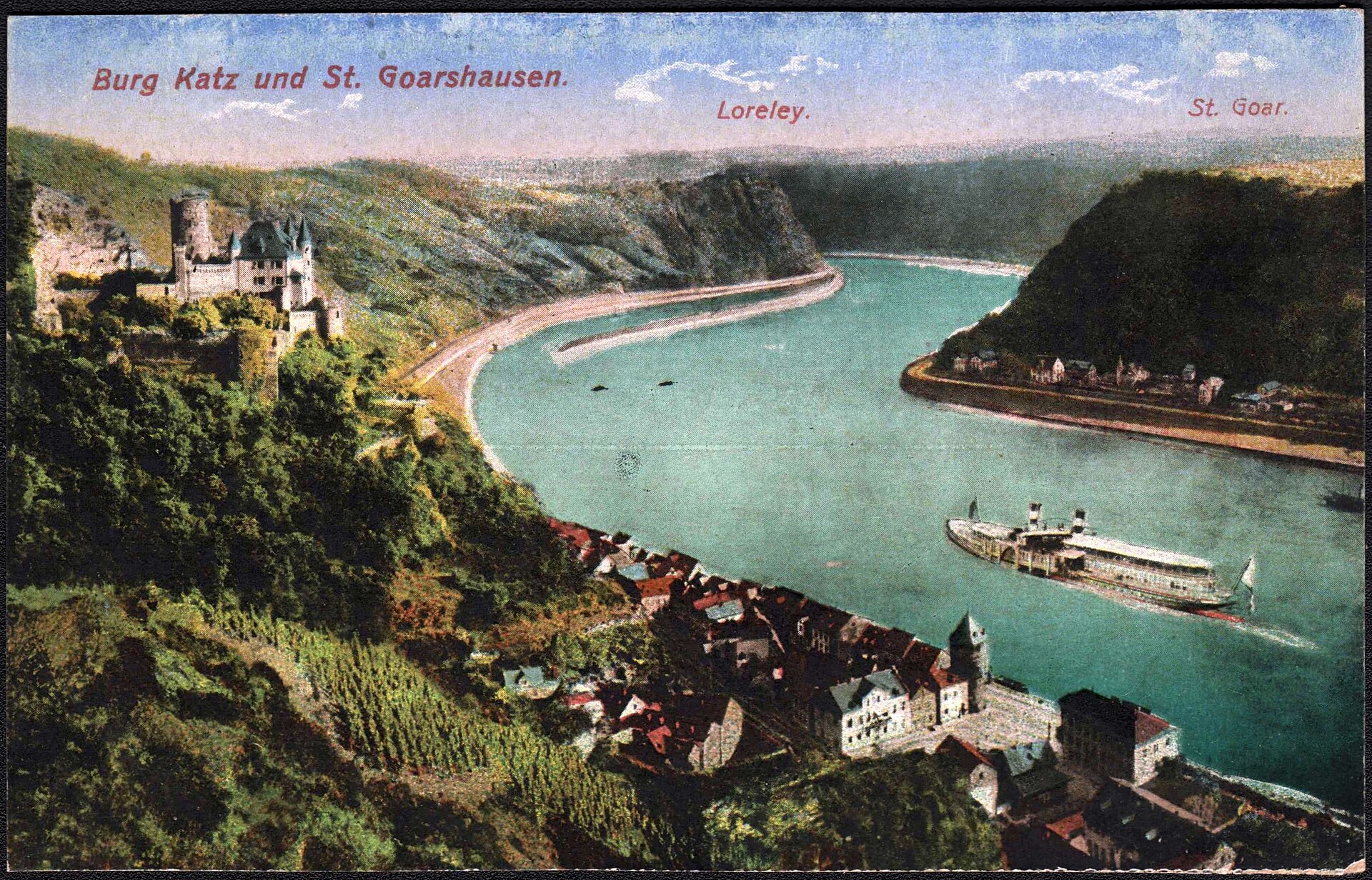
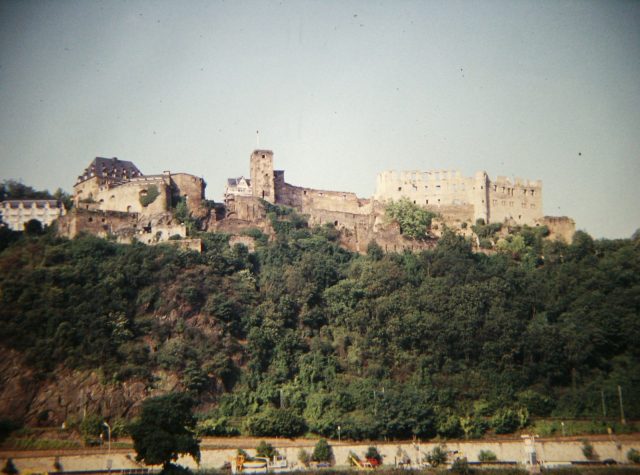
Perched on a rocky outcrop above the Rhine, Katz Castle’s ruins overlook the river like a silent witness to medieval power struggles. From the water or the opposite shore, its crumbling walls and towers appear fragile against the steep banks. Up close, the fortress reveals its past—strategic, contested, and now half-lost to time.
Katz was built in the late 14th century by the Counts of Katzenelnbogen, a name that loosely means "cat’s elbow." The castle’s nickname came later, without legend or flourish. Alongside Maus Castle upstream, Katz controlled river traffic and collected tolls. The Rhine was Europe’s busiest trade route, and its banks meant wealth. The two castles worked together, their positions letting them tax vessels moving through the valley.
The design is typical of late medieval fortifications. The keep was the last defense during sieges. Thick walls with arrow slits resisted attacks. Inside the courtyard, now overgrown, there were once stables, a well, and a chapel. Their foundations remain, hinting at the daily life that once filled the space. The ruins are modest, but they make history feel immediate.
Katz was destroyed in the 17th century by French troops during the Thirty Years’ War. It was never rebuilt. By then, the Rhine’s trade had declined, and the castle’s purpose had vanished. For centuries, nature reclaimed it. Only in the 19th century, when Romanticism revived interest in medieval ruins, did people begin preserving what was left—just enough to keep it from disappearing.
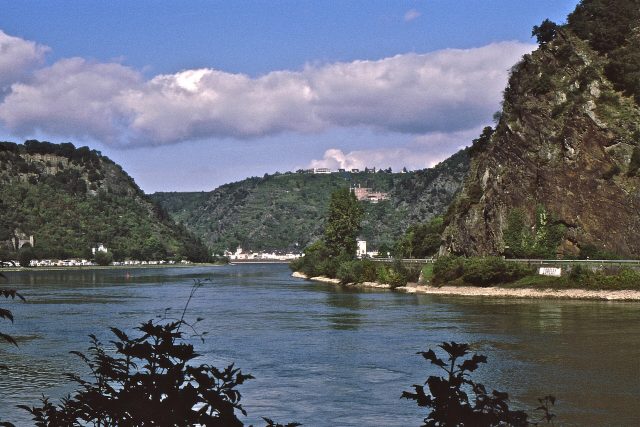
The castle is open to visitors. A path winds up from St. Goarshausen, passing vineyards and offering views of the Rhine. The climb rewards you with more than scenery. Some inner chambers still stand, their dim interiors worth exploring with a flashlight. From the top, the river curves below, and Maus Castle looks close—though it’s kilometers away.
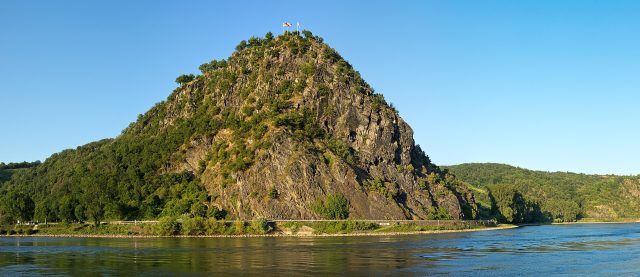
Unlike the Lorelei rock, Katz has no myths. No sirens, no tragic tales. Instead, it holds the stories of counts, knights, and merchants who relied on the river. That’s why it feels real—rough, unpolished, and all the more compelling.
St. Goarshausen sits at the castle’s foot. Its half-timbered houses line narrow streets, their beams darkened by age. The riverside promenade is a good place to watch boats pass. When the light is right, the Rhine turns golden, and the castle’s silhouette sharpens against the sky. No embellishment needed—just the past, still visible in the stones.