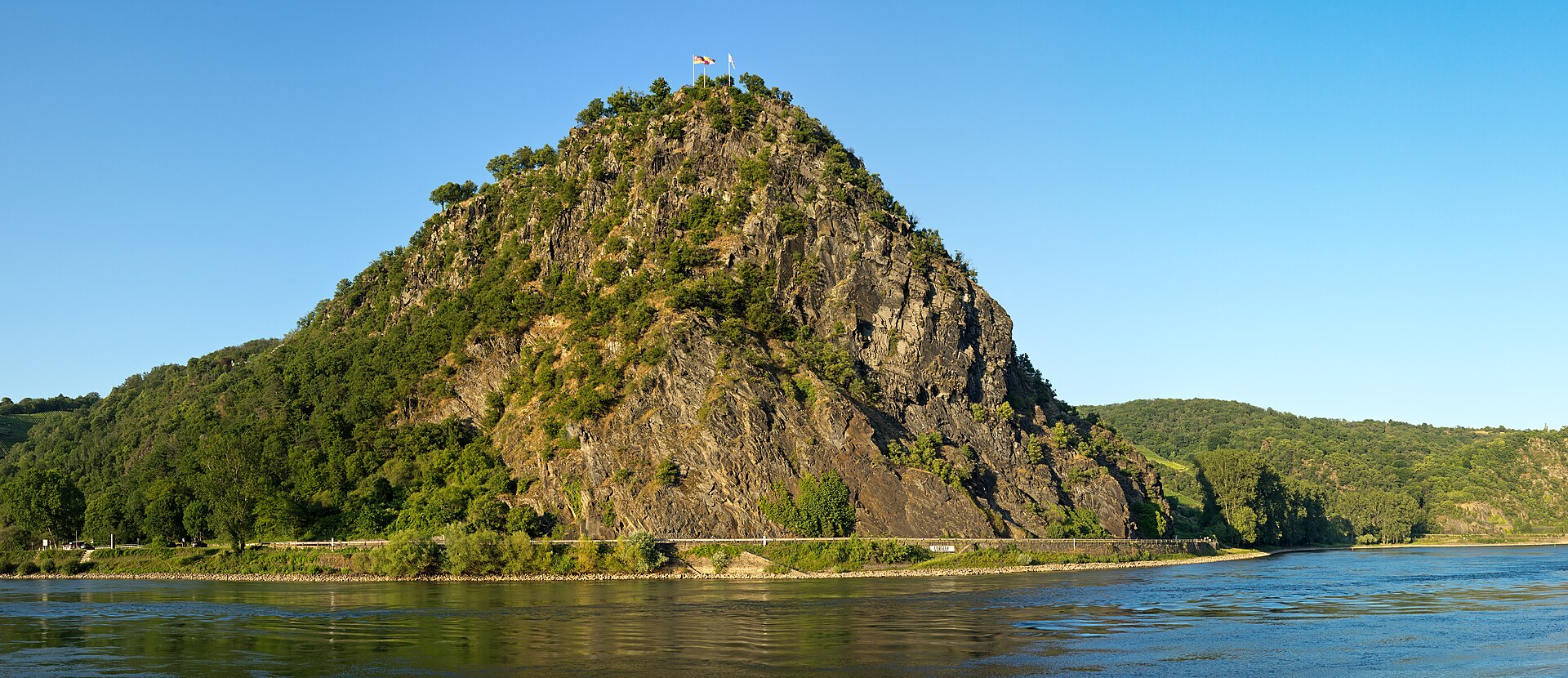
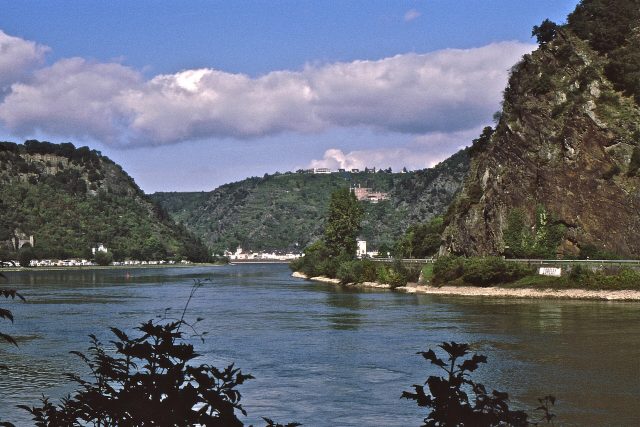
The Lorelei rock rises sharply from the right bank of the Rhine, its steep face towering nearly a hundred and twenty meters above the water. This is where the river narrows, its current quickening into treacherous swirls and eddies that have tested sailors for centuries. The rock itself seems to play tricks on those who pass—its shape funnels sound in strange ways, creating echoes that bounce unpredictably across the water. On clear days, the Lorelei stands out against the sky, a silent sentinel. But when mist rolls in, it vanishes, leaving only the unseen danger of the river’s grip.
The name Lorelei carries more than just the weight of geography. It belongs to a legend, one that has been told and retold until it feels like part of the rock itself. The story speaks of a golden-haired woman who sat at the summit, singing songs so beautiful they lured sailors to their doom. Her voice, soft yet irresistible, would pull men from their course, sending their boats crashing against the stones below. The tale took hold in the imagination of the region, becoming a symbol of beauty that hides peril. In the nineteenth century, the poet Heinrich Heine gave it new life with his ballad, turning the Lorelei into a figure known far beyond the Rhine Valley.
Today, the rock draws visitors who come not just to see it, but to step into the world of the old stories. A winding path leads up from the base, cutting through trees and rocky outcrops before reaching the top. The climb takes about twenty minutes, but the view makes it worthwhile. From the summit, the Rhine stretches out in a wide curve, its waters glinting between hills dotted with vineyards and small towns. On a clear day, the river seems to go on forever, its banks lined with the quiet marks of human life—church steeples, half-timbered houses, the occasional ruin standing guard over the water.
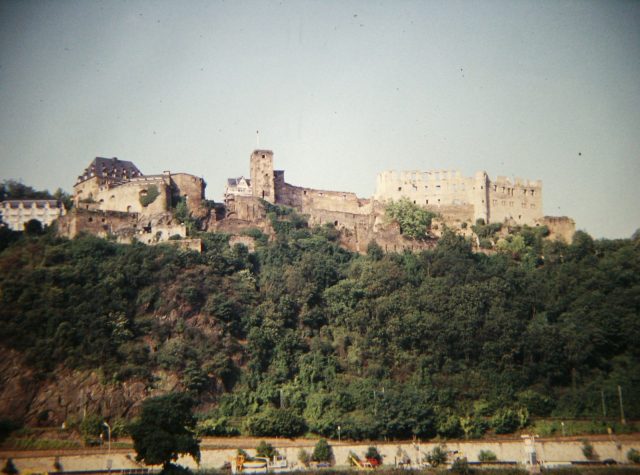
There are no grand monuments on the Lorelei itself, but the land around it holds traces of the past. Nearby, the ruins of Katz Castle cling to a hillside, built in the fourteenth century to protect the river trade. Though little remains of its walls and towers, the structure still gives a sense of how such fortresses once commanded the Rhine. From its heights, the view of the river and the Lorelei is striking, the rock appearing almost within reach. A small lookout point nearby offers another perspective, framing the scene as if it were a painting.
The Lorelei is more than just a landmark—it’s part of the cultural landscape of the Rhine Valley, recognized by UNESCO for its historical and natural significance. The area feels suspended in time, where vineyards have been tended for centuries, where medieval castles crumble slowly into the hills, and where the river carries the weight of countless stories. The Rhine here is especially dramatic, narrowing between cliffs before widening into still pools that mirror the sky. It’s a place where the past isn’t just remembered; it lingers in the air, in the sound of the water, in the way the light falls on the stone.
The best time to visit depends on what you’re looking for. Autumn brings a quiet magic, when the vineyards turn gold and red, and mist often drifts low over the river. Summer is livelier, with boats full of tourists gliding past the rock, while others walk the paths along the shore or make the climb to the top. Winter strips the landscape down to its essentials—the rock stark against the gray sky, the river dark and restless. No matter the season, the Lorelei has a way of making itself felt, its presence impossible to ignore.
Yet for all its fame, the rock can still feel like a secret. Early in the morning or late in the evening, when the crowds thin, the only sounds are the rush of the river and the rustle of leaves. In those moments, it’s easy to imagine the Rhine as it once was—a highway for merchants and travelers, a place where legends were born and retold. The Lorelei is no longer just a warning of danger; it’s a reminder of how stories shape the land, how a single rock can come to mean so much.
There are small museums and information centers in the area for those who want to dig deeper into the history and myths of the Rhine Valley. But the real draw of the Lorelei isn’t in exhibits or viewpoints. It’s in the way the place makes you pause, in the quiet understanding that you’re standing where countless others have stood, where the river and the rock and the sky come together in a way that feels timeless. Here, the past isn’t something to be studied—it’s something to be felt.