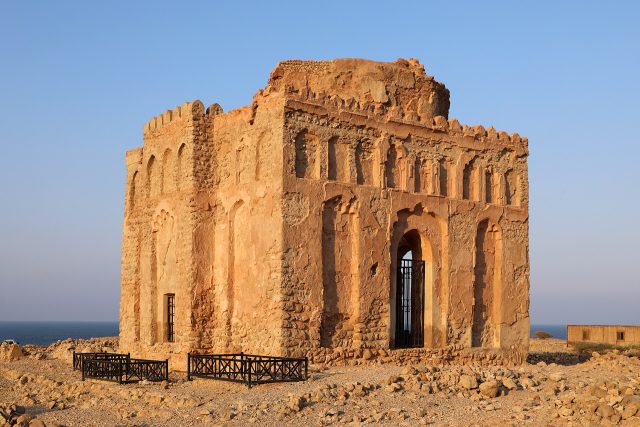
The ruins of Qalhat lie along Oman’s eastern coast, near the modern city of Sur. This ancient port once linked the Arabian Peninsula to India, East Africa, and the Persian Gulf. Today, fragments of walls, building foundations, and the remnants of a mosque are all that survive. These traces suggest the city’s past as a center of medieval trade.
Qalhat began in the 11th century as a small settlement. By the 13th century, it had become one of the Indian Ocean’s key ports. Ships carried spices, silk, pearls, and incense, while local merchants grew wealthy. Marco Polo mentioned the city as a stop for vessels from China and India. For a period, Qalhat was the capital of a small principality. By the 16th century, changing trade routes left it abandoned.
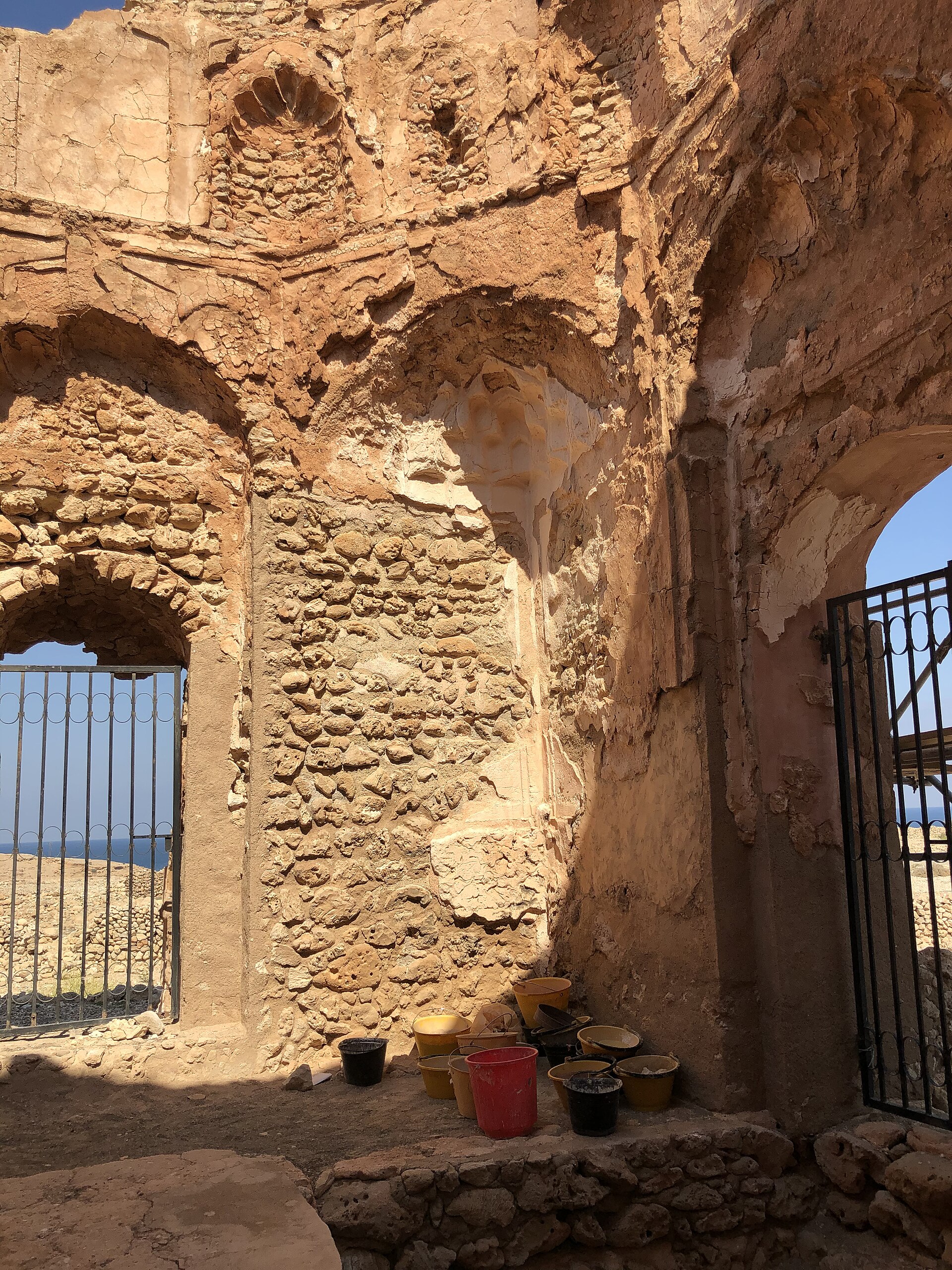
The ruins are not grand like Yemen’s cities or Iran’s palaces. They are authentic—unrestored, without later additions. The most visible structure is the mosque of Bibi Maryam, named after a local saint. Its coral stone and clay walls still stand in parts. The mihrab and a few columns remain. Nearby, low stone foundations mark where merchants and artisans once lived.
Qalhat was never about monumental architecture. It was a transit point where goods moved from ships to caravans. Warehouses, docks, and markets mattered more than palaces. The ruins reflect this practical purpose. The site feels unassuming, but that makes it real. You can almost hear voices in different languages, the creak of carts, and workers unloading cargo.
The coastal climate has worn down the ruins. Sun, salt winds, and rain have left them fragile. Preservation efforts continue, though resources are limited. UNESCO’s World Heritage listing recognizes its importance. Visiting Qalhat isn’t about checking off a tourist site. It’s about stepping into a quiet, unfiltered past—no crowds, no souvenir stalls.
The landscape around the ruins is stark. A few palm trees and shrubs grow in the sand. The sea stretches beyond, the same waters that once brought ships here. The modern world feels distant. Locals rarely visit, but for those interested in history, the site offers a glimpse of Oman’s role in ancient trade.
Qalhat isn’t a polished historical site. There are no signs, no plaques, no guided paths—just the ruins and silence. You imagine the city’s layout from what remains. Some wander for hours, tracing old streets. Others sit by the shore, watching waves and picturing docked ships. The lack of structure is part of the experience.
This isn’t a place for spectacle. It’s for those who want to understand how people lived, how trade empires rose and fell. There are no grand monuments—just the quiet weight of the past. Qalhat draws those who seek more than a view. It offers a chance to stand where history happened, unvarnished and real.