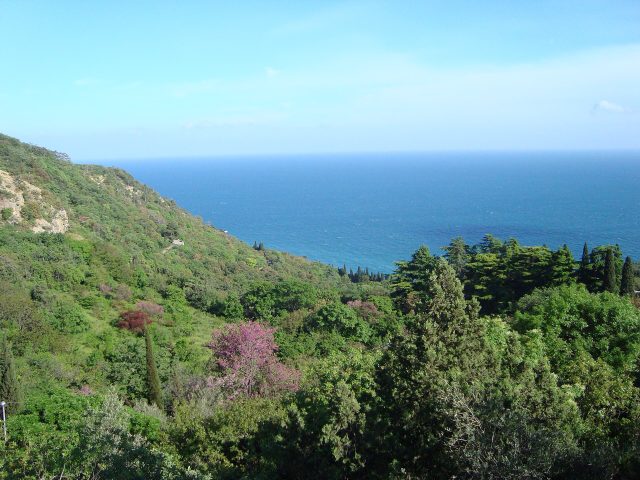
Gurzuf’s Riviera isn’t just a park—it’s a place where time seems to slow down. Stretching along the Black Sea coast in the heart of this resort town, it has been one of the most recognizable landmarks of Crimea’s southern shore for over a century. There are no flashy attractions or crowds here, just the quiet rustle of leaves, the shade of ancient trees, and the distant murmur of waves breaking against the shore.
The park dates back to the early 1900s, when Gurzuf was just beginning to establish itself as a fashionable retreat. It was founded by Vasily Kuznetsov, a Moscow entrepreneur who wanted to recreate a slice of the Mediterranean in this corner of the Crimea. He brought in rare plants from around the world—stone pines, cypresses, magnolias—that still define the park’s character today. In those early years, Riviera was part of a private estate, accessible only to a select few. After the revolution, it opened to the public, but the sense of seclusion and tranquility remained.
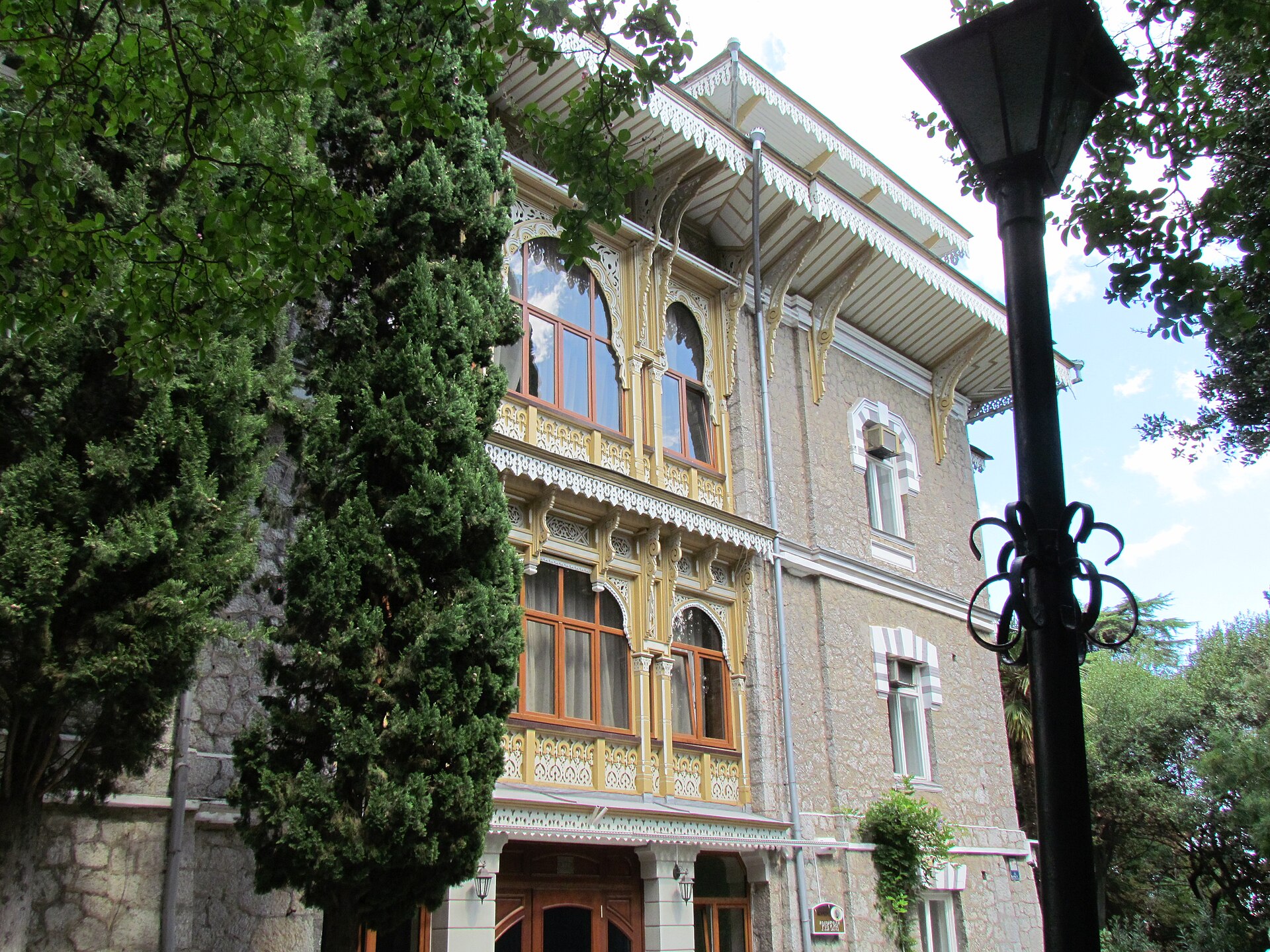
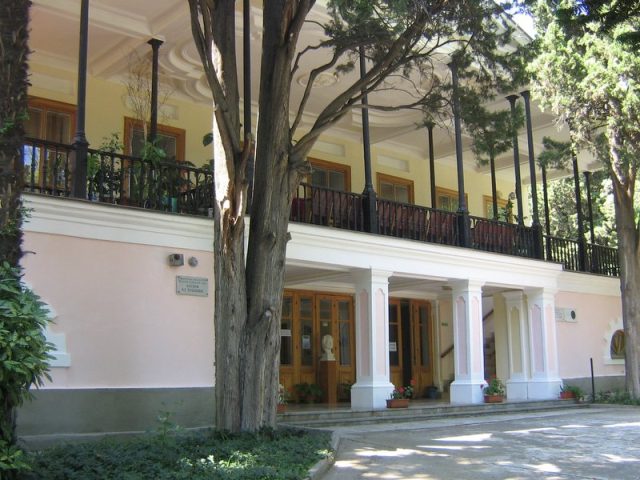
The park’s architecture is understated yet memorable. The main avenue, lined with white stone columns that evoke ancient ruins, leads straight to the sea. Along the way, benches invite visitors to sit and watch the water, while small pavilions tucked beneath the trees are adorned with mosaic tiles and delicate stucco work. The evenings are particularly magical, when soft lamplight spills across the pathways. At the heart of the park, a modest fountain draws children—and sometimes adults—who gather to linger by the water.
Riviera is more than just a place for strolls; it’s an open-air museum of living history. Many of the trees here are over a hundred years old, each with its own story. The famous magnolia planted by Kuznetsov still blooms every summer, filling the air with its sweet fragrance. The cypresses lining the shore have become the park’s signature, their slender silhouettes framing the sea. Even in the height of summer, the shade keeps the air cool, while in autumn, the foliage turns to gold and crimson, transforming Riviera into something out of a fairy tale.
The park has long been intertwined with Gurzuf’s cultural life. During the Soviet era, it hosted concerts and literary gatherings, and one of its pavilions even served as a retreat for Maxim Gorky, who enjoyed working beneath the trees. Today, the tradition continues with small festivals, exhibitions, and writer’s meetups held in the summer. But even when nothing special is happening, the park doesn’t lose its charm. It’s a place where you can wander without hurry, or settle onto a bench with a book, listening to the rhythm of the waves.
Winter gives Riviera a different kind of beauty. When the tourist season ends and the crowds disperse, the park empties but doesn’t lose its appeal. The trees stand bare, their branches weaving intricate patterns against the gray sky, while the sea roars louder than in the warmer months. This is when the park feels most intimate—perfect for solitary walks or quiet moments with someone close. Occasionally, you might encounter locals foraging for mushrooms or simply enjoying the crisp sea breeze.
Riviera isn’t the kind of park that dazzles with grandeur or opulence. There are no marble statues or gilded gates, but something far more valuable: a sense of harmony between nature and human touch. The trees planted over a century ago continue to grow, the fountains still flow, and the paths lead to the sea just as they did a hundred years ago. That’s why Riviera remains a favorite not just for visitors, but for the people of Gurzuf themselves—a place to find peace, inspiration, or simply a moment of quiet reflection.