Alexandria is a city where history doesn’t just linger—it piles up in layers. Walk its streets, and you’ll find echoes of philosophers, merchants, and conquerors. Among the modern buildings and markets, the Roman Theatre stands as a reminder of Egypt’s connection to the wider Roman world. It’s not as grand as the temples of Luxor or the pyramids of Giza, but that’s part of its charm. Here, history isn’t displayed like a relic; it’s simply there.
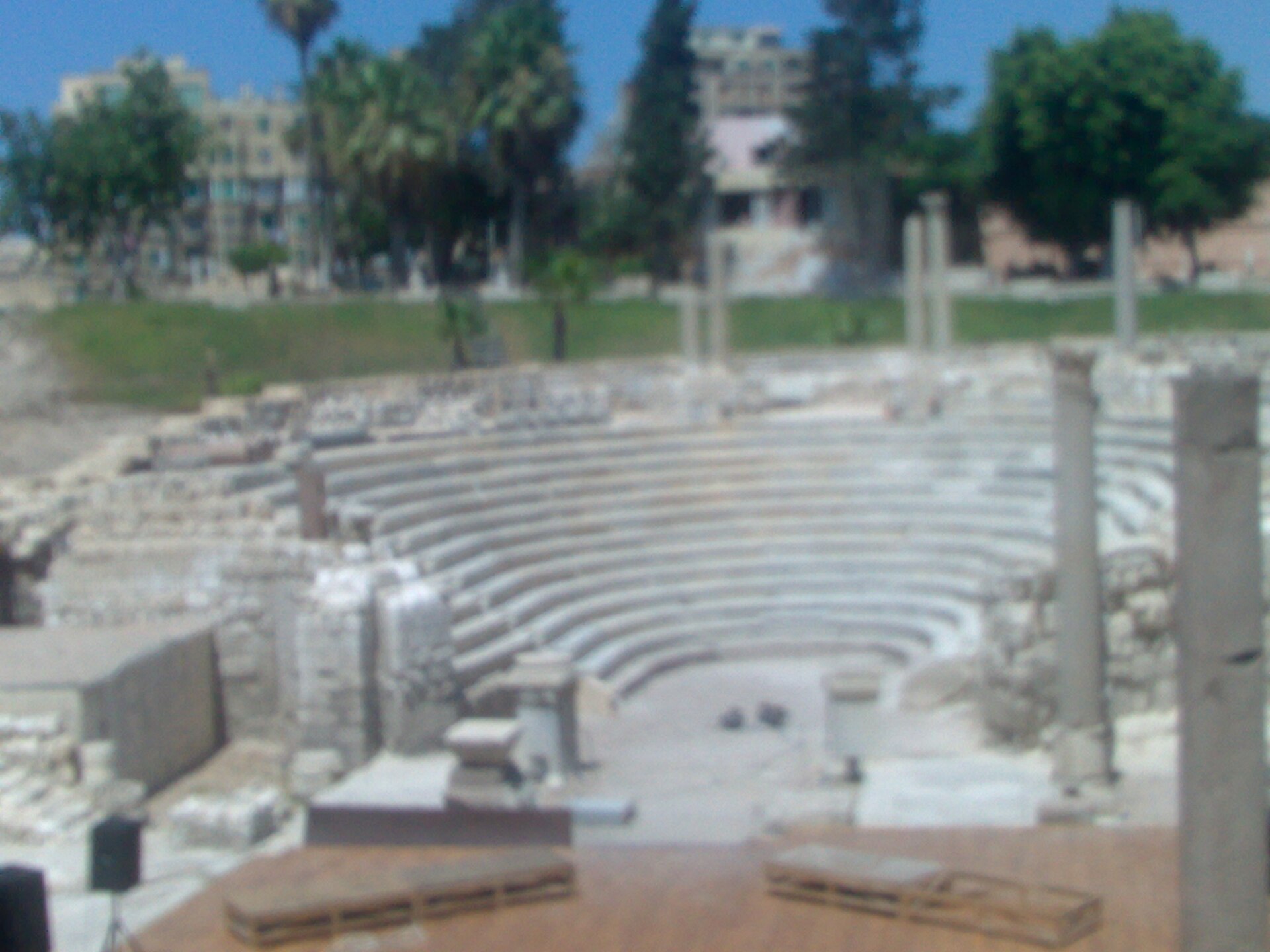
The theatre was discovered in the 1960s when construction workers unearthed marble steps and columns beneath the sand. Archaeologists realized they had found something rare in Egypt: a Roman theatre, not an amphitheatre or circus. Built around two thousand years ago, it’s one of the oldest structures of its kind in the country. The design is simple—a semicircular seating area carved into a hillside, with rows of white marble steps leading down to the orchestra. In Roman times, this wasn’t just a place for plays; it hosted poetry readings, musical performances, and civic gatherings. The stage, framed by columns, would have been adorned with statues and reliefs, though only fragments remain.
After the fall of Rome, the theatre wasn’t abandoned. During the Byzantine era, part of the seating was walled off, and a small church was built in the orchestra. Later, under Arab rule, the space became a workshop or storage area. Alexandria reused what it could. That’s likely why the theatre survived when other ancient buildings were dismantled for their stone.
Today, the Roman Theatre is a quiet spot. Palm trees sway around the ruins, and the hum of the city drifts over the walls. Small concerts or lectures are sometimes held on the stage, but more often, it sits empty. When it does, the silence feels intentional, as if the theatre is still waiting for an audience—just as it did two millennia ago.
Excavations continue to reveal new pieces of Alexandria’s past. Coins, pottery shards, and fragments of statues emerge each season. The theatre is one part of that story. It reminds us that Alexandria was also a Roman city, where cultures and traditions blended.
Standing among the worn marble steps, you notice how little has changed. Empires rose and fell, but the sounds of applause, laughter, and conversation would have been the same. The theatre isn’t just a ruin; it’s a place where the past and present overlap. You can almost hear the echoes of people who once sat on these same stones, watching the world unfold.