Bibliotheca Alexandrina: A Modern Echo of the Ancient World
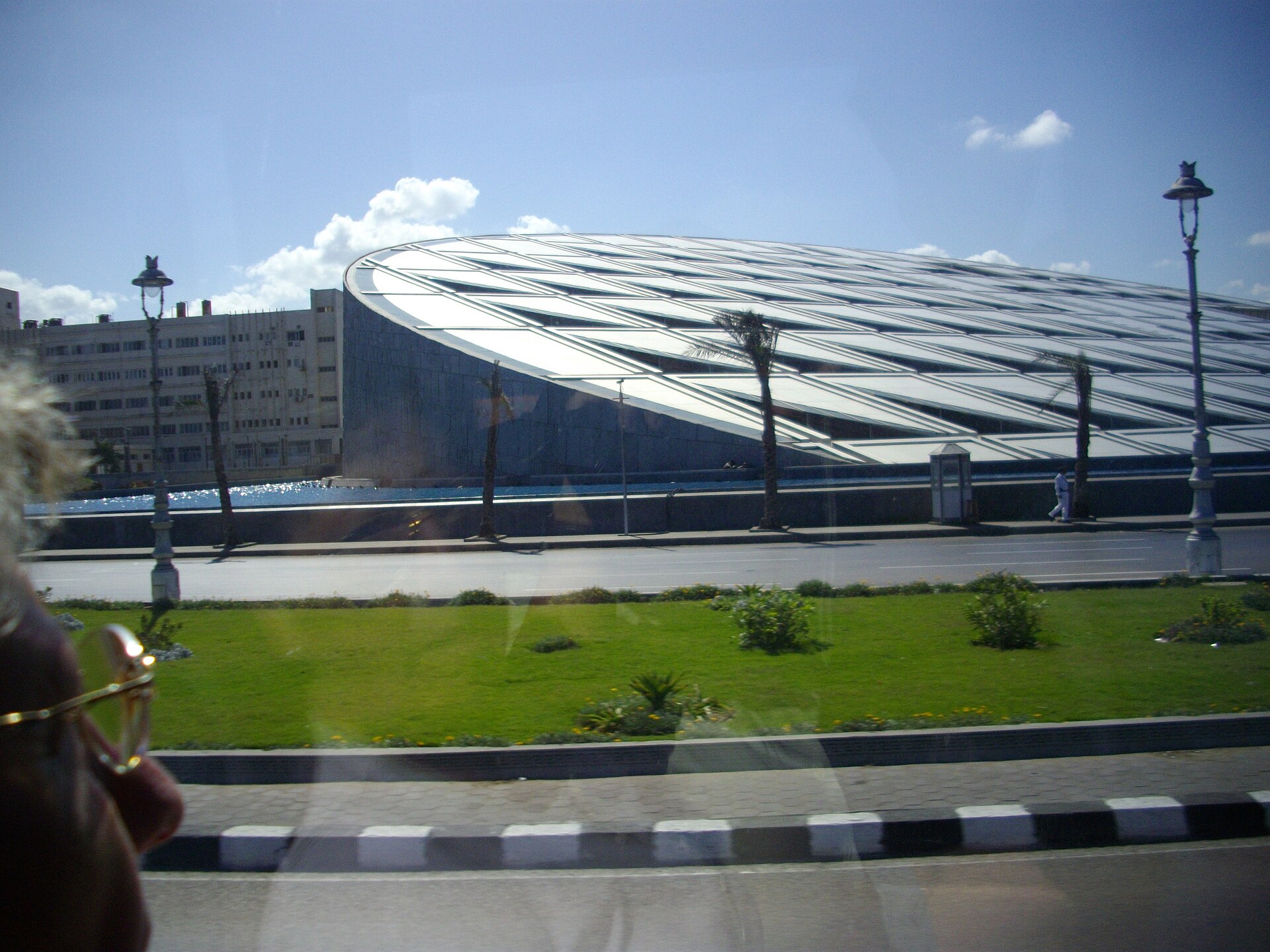
The Bibliotheca Alexandrina stands on the Mediterranean shore, where the ancient library once drew scholars from across the known world. Founded in the third century BCE, the original was destroyed by fire and conflict. The 2002 replacement doesn’t claim to restore what was lost—it simply picks up the thread.
A tilted disc of glass and granite juts from the waterfront. The design suggests the sun dipping into the sea, or perhaps the stubborn endurance of ideas. Inside, light and space are arranged without fuss. The main reading hall holds millions of books and seats thousands. Calligraphy in dozens of languages covers the walls, because knowledge has never belonged to just one place or time.
The library contains museums, each with a distinct purpose.
The Antiquities Museum displays artifacts retrieved from the Mediterranean—shipwrecks and submerged cities that reveal ancient trade routes and daily life.
The Manuscript Museum holds early copies of the Quran and scientific texts that influenced centuries of thought.
The Museum of the History of Science traces Egyptian contributions to astronomy and medicine, showing how these discoveries shaped what came after.
The planetarium’s domed theater projects the night sky in such detail that the cosmos feels close enough to touch. Nearby, the conference center hosts lectures and exhibitions, where ideas circulate as freely as they might have in the original library, now amplified by modern technology.
For Alexandria, the library is a working part of the city. It runs programs for students, stages concerts, and hosts exhibitions. Locals use it as a meeting place, a study hall, and a source of inspiration. The building’s open spaces encourage lingering and conversation.
The quiet inside isn’t the hush of a place where people fear to speak. It’s the quiet of concentration, of being surrounded by shelves of knowledge that seem almost solid.
Visitors move between stacks, handle rare books, or sit by the windows watching the sea. The café on the upper floor serves coffee with a view of the water, where afternoon light skips across the waves.
At night, the library’s lights glow against the dark. From down the coast, the building looks like a beacon. Knowledge, like light, persists.
What makes the Bibliotheca Alexandrina worth visiting isn’t just its size or its collections. The original library was a gathering place for scholars from different cultures. The modern version does the same thing—it reminds you that knowledge is collaborative, always evolving. You might come to study, to explore, or just to watch the sea, but you’ll leave feeling connected to something larger.