The Rhine promenade in St. Goarshausen is where the river and history flow together so seamlessly that time itself seems to slow. This narrow strip of shoreline, squeezed between the water and the cliffs, is more than just a part of the town’s landscape. For centuries, the Rhine has shaped the region—its geography, its culture, its trade, and even its myths. There are no grand boulevards or bustling esplanades here. Instead, there’s a sense of authenticity, the kind that’s increasingly rare in places overrun by tourists.
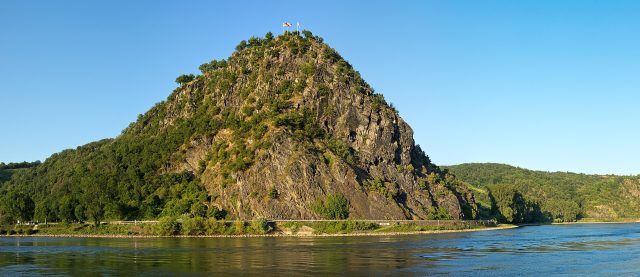
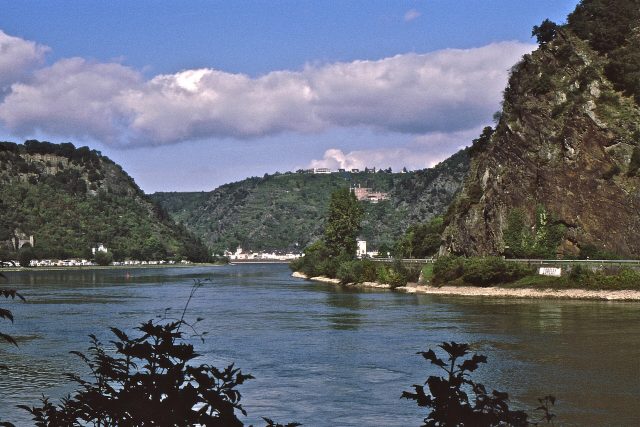
From the promenade, the Lorelei rock rises above the water, its silhouette unmistakable—a symbol of Germany’s romantic past. On clear days, you can see the river bend sharply, forming a narrow and treacherous stretch that has inspired countless legends. The most famous tells of the maiden Lorelei, whose enchanting song lured sailors to their doom. Here, nature and folklore intertwine so closely that the myths feel almost tangible, as if the stories themselves are carried on the river’s current.
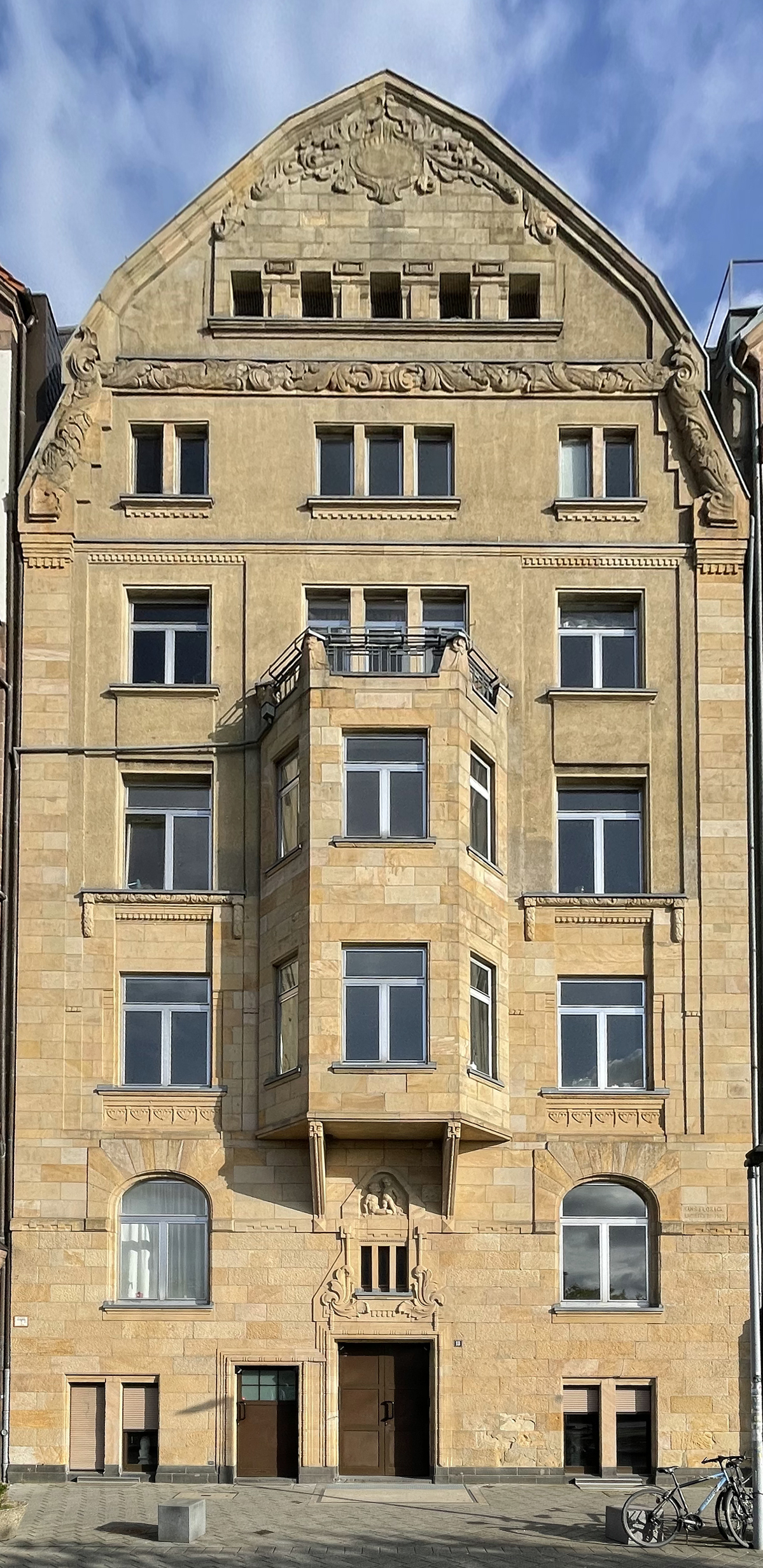
The architecture along the promenade is simple and practical. Small houses with tiled roofs line the shore, many of them once belonging to merchants, boatmen, or innkeepers. Today, some of these buildings still house old taverns and cafés, where you can try Rhine carp or a glass of traditional schnapps. The locals drink it slowly, often deep in conversation about the river—its moods, its history, the way it has always dictated life here.
In the early morning, the promenade is quiet. The only sounds are the lapping of waves and the cries of gulls. Fishermen prepare their boats, while a few early risers stroll along the water’s edge. By midday, tourists begin to appear—some snapping photos of the Lorelei, others boarding river cruises. As evening falls, lanterns flicker to life, their reflections dancing on the dark water. Inside the taverns, music plays—sometimes traditional tunes, sometimes the strum of a guitar over a pint of beer.
The Rhine narrows dramatically here, creating a natural bottleneck. In the Middle Ages, this stretch was part of vital trade routes connecting northern and southern Europe. Later, the river became Germany’s main transport artery. The promenade has witnessed medieval fairs, military conflicts, and the ebb and flow of commerce. Today, remnants of that past linger in old maps and plaques, in the weathered stonework and the winding alleys that lead away from the shore.
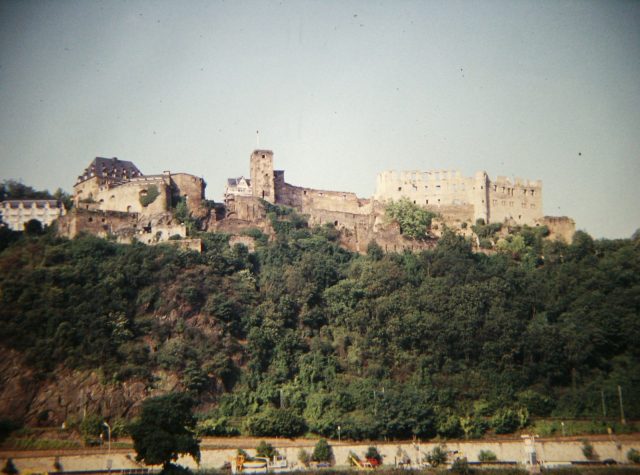
This is also a perfect starting point for exploring the surrounding area. You could hike to the ruins of Katz Castle on the opposite bank or take the ferry to St. Goar, where the medieval Rheinfels Castle still stands. Or you might simply stay by the river, watching how the light shifts over the water, listening to locals share stories of what the Rhine was like a hundred or two hundred years ago.
In winter, the river rarely freezes, but the cold wind makes warm layers essential. The cafés and taverns become cozy refuges, while tourists are few and far between. The town settles into its own rhythm—locals walking the promenade, fishermen braving the weather to cast their lines. On days like these, it’s clear that this isn’t just a tourist attraction. The Rhine is woven into the fabric of life here.
The Rhine promenade in St. Goarshausen doesn’t demand attention. There are no grand palaces or flashy attractions. What it offers instead is a connection to nature and history, the kind that’s hard to find elsewhere in Germany. This is a place for unhurried walks, quiet evenings by the water, and the chance to feel part of something larger. The river isn’t just a backdrop here—it’s a living presence, felt in every stone, every gust of wind, every ripple on the water.