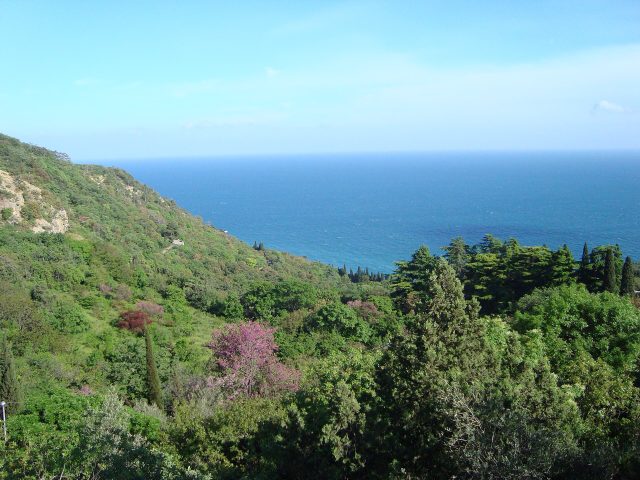
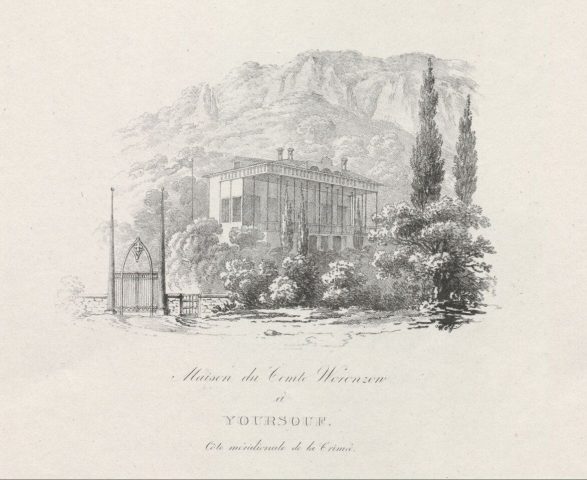
Perched on a gentle rise above the shimmering waters of the Black Sea, the Pushkinsky House in Gurzuf is one of those rare places where time seems to soften at the edges. The air carries the scent of pine and salt, and the view from the terrace stretches across the curved embrace of Gurzuf Bay, where the sea meets the sky in a haze of blue. Though Alexander Pushkin never lived here, his brief stay in Crimea in 1820 left an indelible mark on the region, and this house—built decades later—became a quiet tribute to the poet’s presence. It’s as if the very landscape, with its cypresses and sun-drenched hills, still holds the echo of his footsteps.
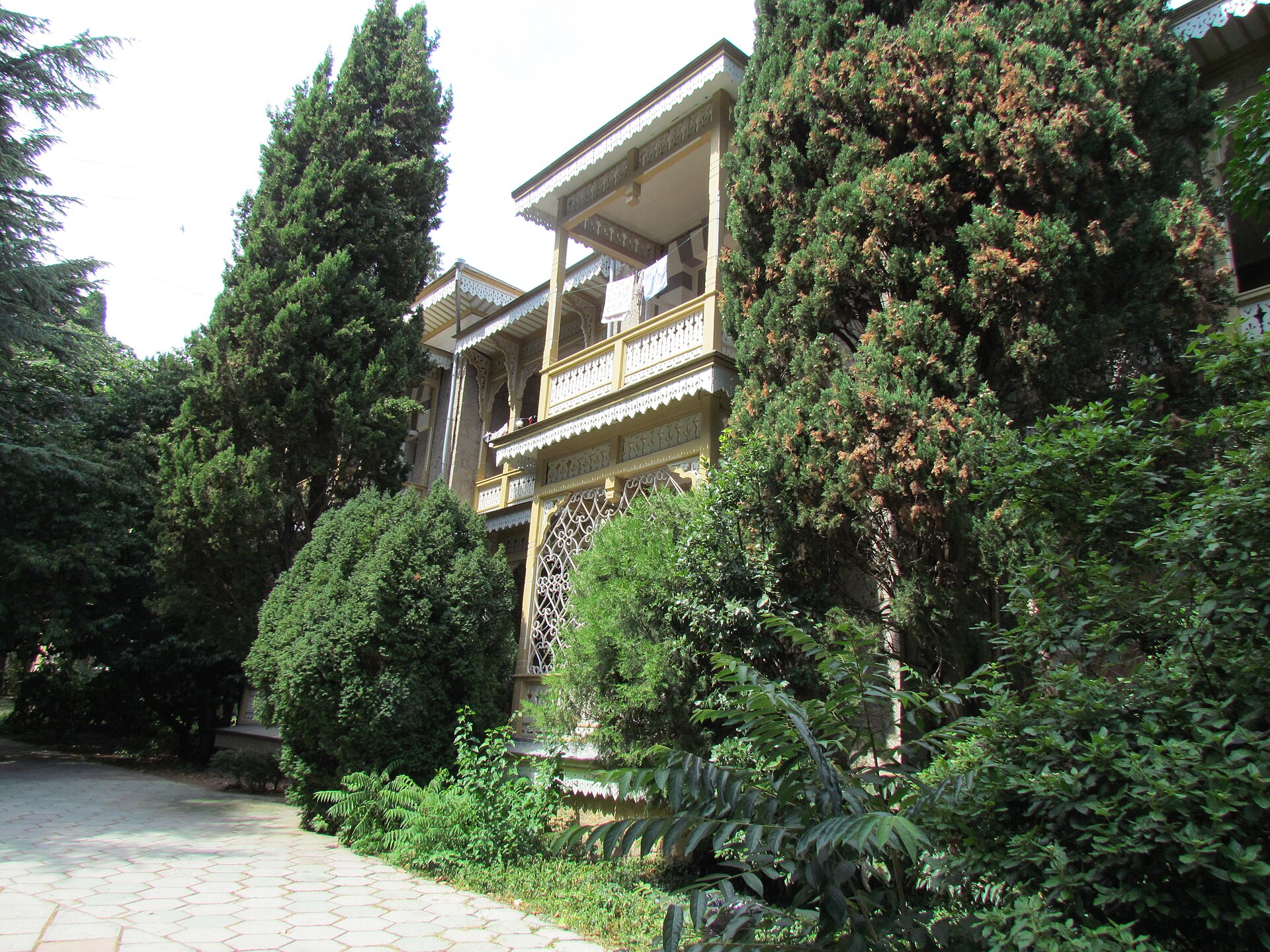
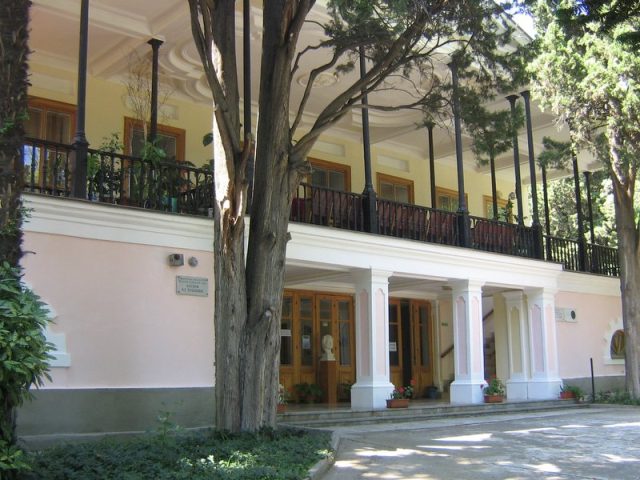
The house itself is a fine example of the grand yet unpretentious summer estates that dotted the Crimean coast in the late 19th century. Its stone walls and high ceilings were designed to catch the sea breeze, while the large windows frame views that feel like living paintings. Inside, the furnishings tell their own story: worn leather armchairs, a fireplace that once crackled with warmth, and wooden staircases that creak underfoot just as they must have a century ago. There’s no opulence here, only the understated elegance of a place where artists and writers once gathered, drawn by the same light and air that still linger today.
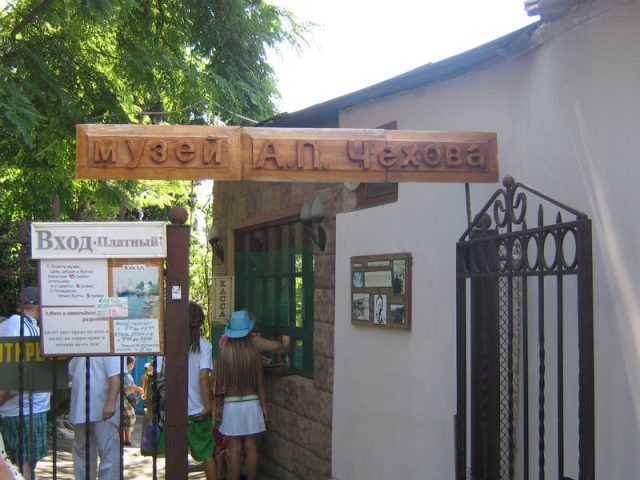
When the house was turned into a museum during the Soviet era, it became a repository not just for Pushkin’s legacy but for the broader literary history of Crimea. The exhibits include rare editions of his works, faded photographs of his journey through the peninsula, and letters that hint at the conversations that once filled these rooms. But the collection goes beyond Pushkin, touching on figures like Maximilian Voloshin, who made nearby Koktebel his home and whose bohemian spirit still seems to hover in the coastal breeze. The museum doesn’t just display artifacts; it invites visitors to step into a world where literature and landscape were inseparable.
The gardens surrounding the house are as much a part of its charm as the building itself. Here, the Mediterranean climate has nurtured a lush tangle of magnolias, laurel, and towering pines, their branches swaying gently in the wind. Winding paths lead to hidden benches where guests might have once paused to read or sketch, and a worn stone staircase descends toward the sea, its steps smoothed by generations of footsteps. In summer, the air is thick with the scent of resin and salt, while in winter, the bare branches let the sunlight spill across the ground in golden patches. It’s easy to imagine why this place became a refuge for those seeking inspiration.
Gurzuf has always been a crossroads of cultures. The Greeks settled here in antiquity, followed by the Genoese, who left behind the ruins of their fortresses. By the 19th century, the town had transformed into a fashionable retreat for Russia’s intellectual elite, a place where the sea and mountains seemed to cradle creativity. The Pushkinsky House is just one of many estates that sprang up during this golden age, but it stands out for the way it captures the spirit of the era. Today, it hosts literary evenings, concerts, and exhibitions, drawing visitors who come not just to see, but to feel the pulse of a place that has always been more than just a pretty view.
What makes the Pushkinsky House special is its ability to make history feel alive. There’s a sense of continuity here, as if the conversations that once filled these rooms have only just fallen silent. You can almost hear the clink of teacups on the terrace, the rustle of pages turning in the afternoon light, or the murmur of voices debating poetry under the stars. The house doesn’t just preserve the past; it lets you inhabit it, if only for a little while. That’s why people return—not for the exhibits, but for the way the place makes them feel, as if they’ve stepped into a story that’s still being written.
Crimea’s climate plays its part in this magic. Summers are hot, but the sea breeze tempers the heat, while winters are mild, with the Black Sea taking on a brooding, dramatic beauty. The Pushkinsky House is open year-round, and each season offers something different. Spring brings bursts of color to the gardens, autumn sharpens the air until the distant mountains seem close enough to touch, and winter wraps the house in a quiet solitude that’s rare in a place usually crowded with visitors. Even the light changes with the seasons, shifting from the golden haze of summer to the crisp clarity of winter mornings.
Gurzuf today is a place where the past and present coexist. It’s still a resort town, with its pebble beaches and seaside cafes, but it’s also a place where history is cherished. The Pushkinsky House is at the heart of that effort, a reminder of how landscapes shape the people who live in them—and how those people, in turn, shape the places they love. Visiting isn’t just about seeing; it’s about slowing down, looking around, and recognizing that the same views that inspired Pushkin and his contemporaries are still here, waiting to be rediscovered. The house doesn’t ask for admiration; it simply offers a moment of connection, a chance to stand where others have stood and see what they saw.