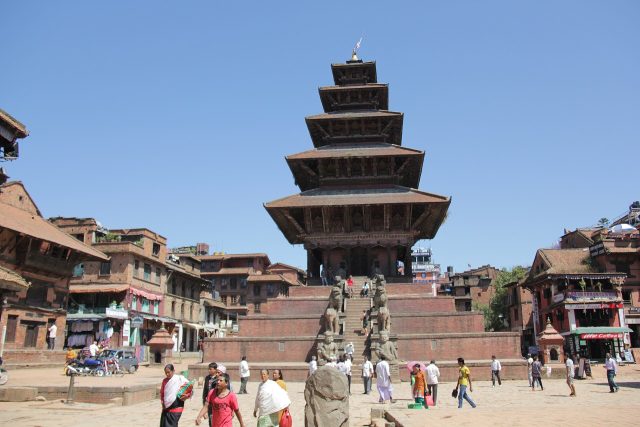
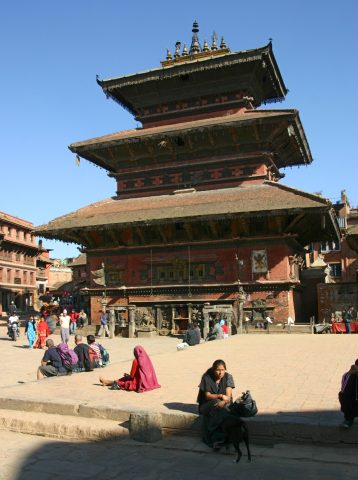
Bhaktapur has a way of making time feel like it’s moving slower. The brick-paved streets wind between intricately carved temples, the air thick with the scent of woodsmoke and fresh bread, and the whole city feels like an open-air museum where the past hasn’t just been preserved—it’s still alive. On the eastern edge of town, in the neighborhood of Tachhapal, there’s a place where this sense of continuity isn’t just visible, but tangible. The Pottery Square isn’t a museum exhibit or a tourist workshop; it’s a working district where families have been shaping clay for over five hundred years, passing down skills that are as much a part of Nepal’s cultural identity as the temples themselves.
Walking into the square feels like stepping into a different era. The narrow lanes are lined with low red-brick houses, their wooden windows and doors carved with traditional Newari patterns. Between them, rows of potter’s wheels stand in the open, their surfaces worn smooth by generations of use. Clay pots and vessels dry in the sun, their surfaces still damp, while the air carries the earthy smell of raw clay mixed with the acrid tang of woodsmoke from the kilns. The potters work in plain sight, their hands moving with practiced ease as they shape the clay, and if you’re lucky, you might see the entire process—from the initial wedging of the clay to the final firing in the traditional wood-fired kilns that have been used here for centuries.
The craft itself dates back to the 14th century, when Bhaktapur was the capital of the Malla kingdom. Back then, pottery wasn’t just about making everyday objects; it was deeply tied to religious and cultural life. Clay was used to create not only household items but also ritual objects—statues of deities, temple lamps, and ceremonial vessels. One of the most important items was the *dipa*, a small clay lamp lit during festivals and religious ceremonies. Many of these traditions have survived, and today, you can still see potters shaping the same forms their ancestors did, using techniques that have barely changed over the centuries.
The architecture of the square is as much a part of the story as the pottery itself. The buildings here are built using traditional methods—fired brick walls, wooden beams, and intricately carved windows and doors that reflect the Newari aesthetic. The potters’ workshops are particularly striking, often designed with open fronts so passersby can watch the work in progress. Inside, the spaces are simple and functional, with earthen floors and large wooden wheels. Some workshops have evolved into small museums, where visitors can learn about the history of the craft and see tools that have been used for generations.
Life in the Pottery Square moves at its own unhurried pace. The day starts early, with potters wedging clay and preparing their wheels as the sun rises. By midday, the air is filled with the rhythmic hum of spinning wheels and the occasional chatter of artisans discussing orders or sharing tips. Children play in the lanes, weaving between stacks of drying pots, while women arrange freshly made vessels in the sun. By evening, the kilns cool, the potters head home, and the square grows quiet—only to begin again the next morning. There’s no rush here, no sense of urgency; just the steady, unchanging rhythm of a craft that has outlasted empires.
Bhaktapur’s pottery is known far beyond Nepal’s borders. The potters here are renowned for their skill, creating pieces that are both durable and beautiful. Among the most famous are the *Bhaktapur jugs*—tall, narrow-necked vessels decorated with intricate relief patterns, used in both daily life and religious ceremonies. Another signature item is the clay lamp, a staple during the festival of Dipawali, when thousands of them are lit across the city. Visitors can buy these pieces directly from the potters, and many take them home as a tangible connection to the place.
A visit to the Pottery Square is more than just a chance to observe; it’s an opportunity to participate. Many workshops offer hands-on classes where visitors can try their hand at the wheel under the guidance of a master potter. It’s not about creating a perfect piece—most first attempts are lopsided or collapse before they’re finished—but about the experience itself. The feel of the clay between your fingers, the resistance of the wheel beneath your hands, the slow, meditative process of shaping something from raw earth—it’s a rare chance to step into a tradition that has remained unchanged for centuries.
What makes the Pottery Square special isn’t just the craft, but the way of life it represents. There are no modern shortcuts here, no mass-produced imitations, no concessions to the pace of the outside world. It’s a place where time hasn’t just slowed down—it’s almost stopped. And while Bhaktapur itself is changing, with new buildings and roads creeping in, the square remains stubbornly, beautifully the same. That’s why it draws people in: not just for the pottery, but for the quiet reminder of what it means to work with your hands, to take pride in something made slowly and well, and to keep a tradition alive simply by doing it, day after day.