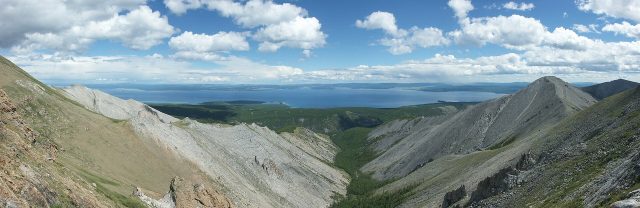
Khatgal is a quiet settlement on the northern edge of Mongolia, where life moves to the slow rhythm of Lake Khövsgöl and the wind sweeping down from the mountains. There are no bustling avenues, towering buildings, or crowds of tourists here—just silence, broken only by the lapping of water, the cries of gulls, and the occasional groan of an old ferry. The dock at Khatgal isn’t just a place where boats depart; it’s a gateway to the heart of Mongolia’s remote interior, where time seems to stretch and the horizon blurs into endless space.
The dock itself is unassuming—a wooden platform, a few boats bobbing at the shore, a couple of weathered fishing huts, and a small market where locals sell smoked fish, dried curds, and homemade airag. It feels more like a temporary stop than a proper port, but that’s where its charm lies. In summer, the place hums with activity: tourists waiting for ferries to cross the lake, fishermen mending their nets, children playing by the water. Winter transforms it entirely—the dock falls silent, encased in ice, and only the occasional traveler passes by, heading toward the frozen expanse of Khövsgöl.
Lake Khövsgöl, often called the younger sister of Siberia’s Lake Baikal, is the true heart of this region. Like its famous counterpart, it’s deep, crystal-clear, and framed by mountains. On calm days, the water is so transparent that the lakebed is visible dozens of meters below. The dock at Khatgal is one of the few places where you can truly experience the lake—whether on a short boat ride or a multi-day journey along its shores. The ferries here are slow, often overloaded, but that’s part of the experience, a way to feel the pulse of this land.
Khatgal’s history is inseparable from the lake. For generations, it was little more than a seasonal camp for nomads who came to fish and graze their livestock on the lakeside meadows. Everything changed in the mid-20th century when a road was built through the settlement, connecting northern Mongolia to the rest of the country. The dock became a vital transport hub, carrying goods, passengers, and even livestock. Though its importance has faded, it remains a lifeline for locals and the rare traveler who ventures this far.
The architecture of the dock and the village is simple and practical. Wooden houses, built during the Soviet era, are slowly aging but still in use. Some have been converted into guesthouses or small cafés where you can sip tea and warm up after a walk by the lake. Around the dock, traditional gers—round, felt-covered tents—dot the landscape, home to fishing families and herders. These sturdy yet portable dwellings are perfectly suited to the climate, cool in summer and warm in winter. Modern touches like solar panels and satellite dishes appear here and there, but the place still feels rooted in tradition.
The atmosphere in Khatgal is a mix of tranquility and the stark reality of life far from civilization. There are no familiar comforts—electricity flickers, internet is spotty, and roads turn to mud after rain. Yet this is precisely what draws those seeking authenticity. Mornings might begin with the crow of a rooster, afternoons with the sight of fishermen repairing their nets, and evenings by a fire, listening to stories of local legends and the spirits said to inhabit the lake.
Khövsgöl isn’t just a place of stunning landscapes; it’s also steeped in myth. Locals believe the lake is home to spirits and treat it with deep reverence. There’s a belief that littering or shouting can anger these spirits, bringing misfortune. These traditions have been passed down for generations, and even today, many Mongolians observe them, blending ancient customs with modern life. The dock at Khatgal is one of those places where these beliefs feel especially tangible—a spot where the connection between people and nature is impossible to ignore.
A journey from Khatgal can be the start of a real adventure. From here, you can hike along the lake’s shores, visit Buddhist monasteries tucked into the surrounding mountains, or simply spend a few days away from the noise, soaking in the silence and the grandeur of the landscape. In summer, the lake offers cool relief from the heat; in winter, its frozen surface becomes a playground for ice skating and sledding. No matter the season, Khövsgöl remains a place where you can step back, breathe deeply, and feel part of something much larger.
Khatgal and its dock aren’t destinations for those seeking luxury or entertainment. They’re for travelers who want to see Mongolia as it is—harsh yet welcoming, wild yet full of life. There are no tourist trails here, just the chance to experience the country’s true rhythm. If you ever find yourself on the shores of Khövsgöl, take a moment to sit on the wooden planks of the dock, watch the water, and simply be still. It’s in these quiet moments that the most vivid memories are made.