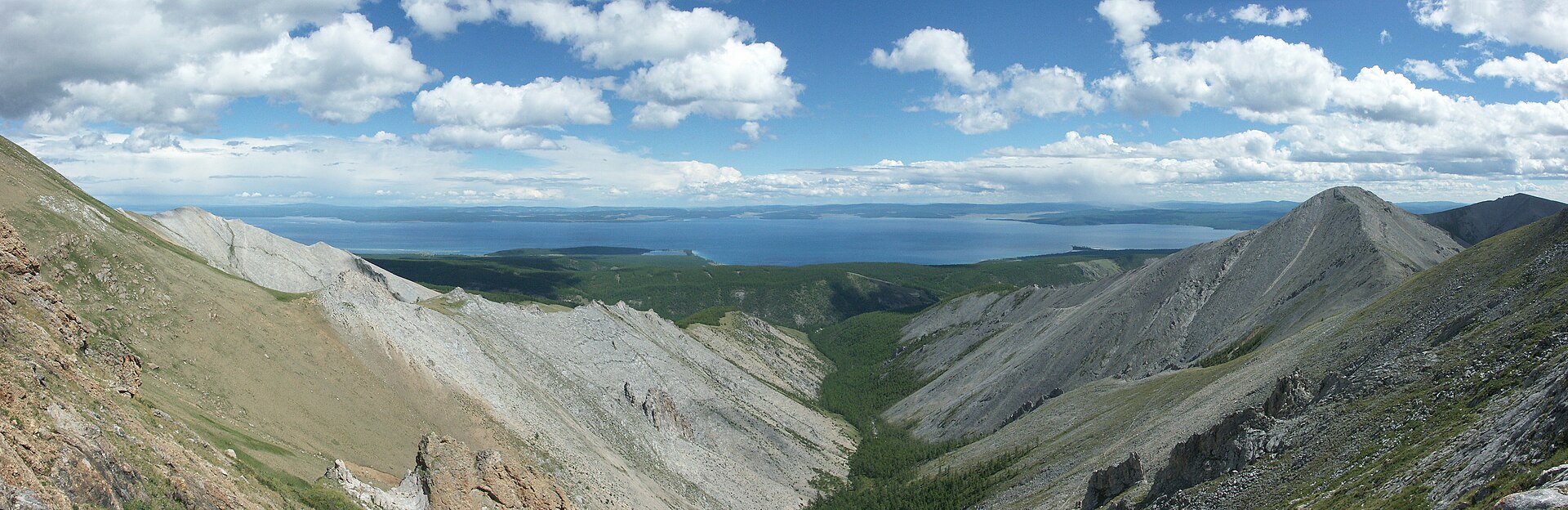
Lake Khövsgöl
Lake Khövsgöl is called the younger sister of Siberia’s Lake Baikal. Both are ancient and deep, ringed by mountains, but Khövsgöl keeps its own quiet rhythm, far from tourist crowds. There are no docks or souvenir stands—only open space, silence, and the sense that time moves differently here. The lake lies in northern Mongolia, near the Russian border, sharing Baikal’s grandeur but standing apart in its solitude.
The lake fills a tectonic basin millions of years old, its shores lined by the Eastern Sayan and Khangai ranges. The water is so clear you can see twenty meters down on a bright day, sunlight catching the rocky bottom in shifting patterns. Locals treat Khövsgöl as sacred. Its name, Blue Water, fits—the color shifts from pale turquoise at dawn to deep indigo by midday. In winter, the lake freezes solid, thick enough to walk or drive on, though some herders avoid it, believing the ice’s groans foretell misfortune.
For Mongolia’s nomads, Khövsgöl is more than a lake. It’s part of their history. Legends and shamanic traditions speak of its spirits, and its shores have sheltered generations of herders. You’ll still find oboo—stone cairns piled as offerings—scattered across the landscape. The air here feels different, whether from the mountain breeze or the weight of centuries of reverence.
Khovsgöl is slowly drawing those who seek wild places. Hiking and horseback trails follow the shoreline, and Khatgal, a small settlement at the southern end, offers basic lodging in guesthouses or gers. Some families rent rooms or arrange fishing trips for taimen or grayling, but permits are required—the lake is part of a national park, and its ecosystem is protected. Winter fishing happens too, with anglers drilling holes through the ice, though isolation means careful planning.
Life here follows the seasons. In summer, sheep and yaks graze along meadows, their bells ringing softly. Winter turns the landscape white, broken only by tracks of wolves, foxes, or the rare snow leopard. Visitors in colder months see Mongolia at its rawest—beautiful, harsh, and untamed.
To see more than the lake’s surface, stay with a nomadic family. This isn’t a performance. You’ll sleep in a ger, drink salty milk tea, and help with tasks like milking yaks or shearing sheep. Evenings are spent around the fire, listening to stories of mountain spirits and the lake’s mysteries. Comforts are few, but those who stay often leave with a deeper sense of the land and its people.
Khovsgöl doesn’t rely on grand vistas or monuments. It offers something simpler: a feeling of being real. Sit by the water, watch the light shift over the mountains, and you’ll understand why some visitors return. In a world where so many places feel the same, Khövsgöl remains one where you can still touch something ancient and enduring.