Kinderdijk: Where the Netherlands Shows Its Iconic Face
Kinderdijk is where the Netherlands reveals itself in its most recognizable form. Here, among the flat fields and slow-moving canals, rows of windmills stand like silent sentinels—a scene so typically Dutch that it feels almost staged. Yet there’s nothing artificial about it. The windmills, the water, the vast open skies—this is the country as it has been for centuries, shaped by necessity and ingenuity. The boat dock in Kinderdijk isn’t just a place to step onto a vessel; it’s the start of a journey into what defines the Netherlands.
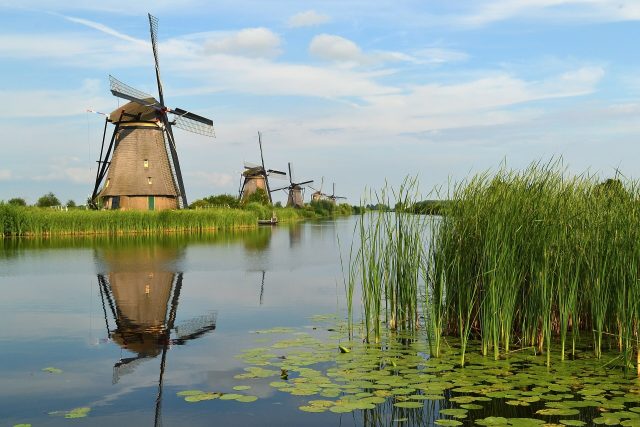
The windmills of Kinderdijk were built in the 18th century to reclaim land from the water. At the time, the Dutch were in a constant battle against flooding, and these structures were more than just picturesque—they were vital parts of a complex drainage system. Today, eighteen of them remain, their wooden blades still turning when the wind allows. Some are still functional, though modern technology has taken over much of their work. As you glide past them on the water, the rhythmic creak of the blades and the gentle splash of the oars create a sense of timelessness.
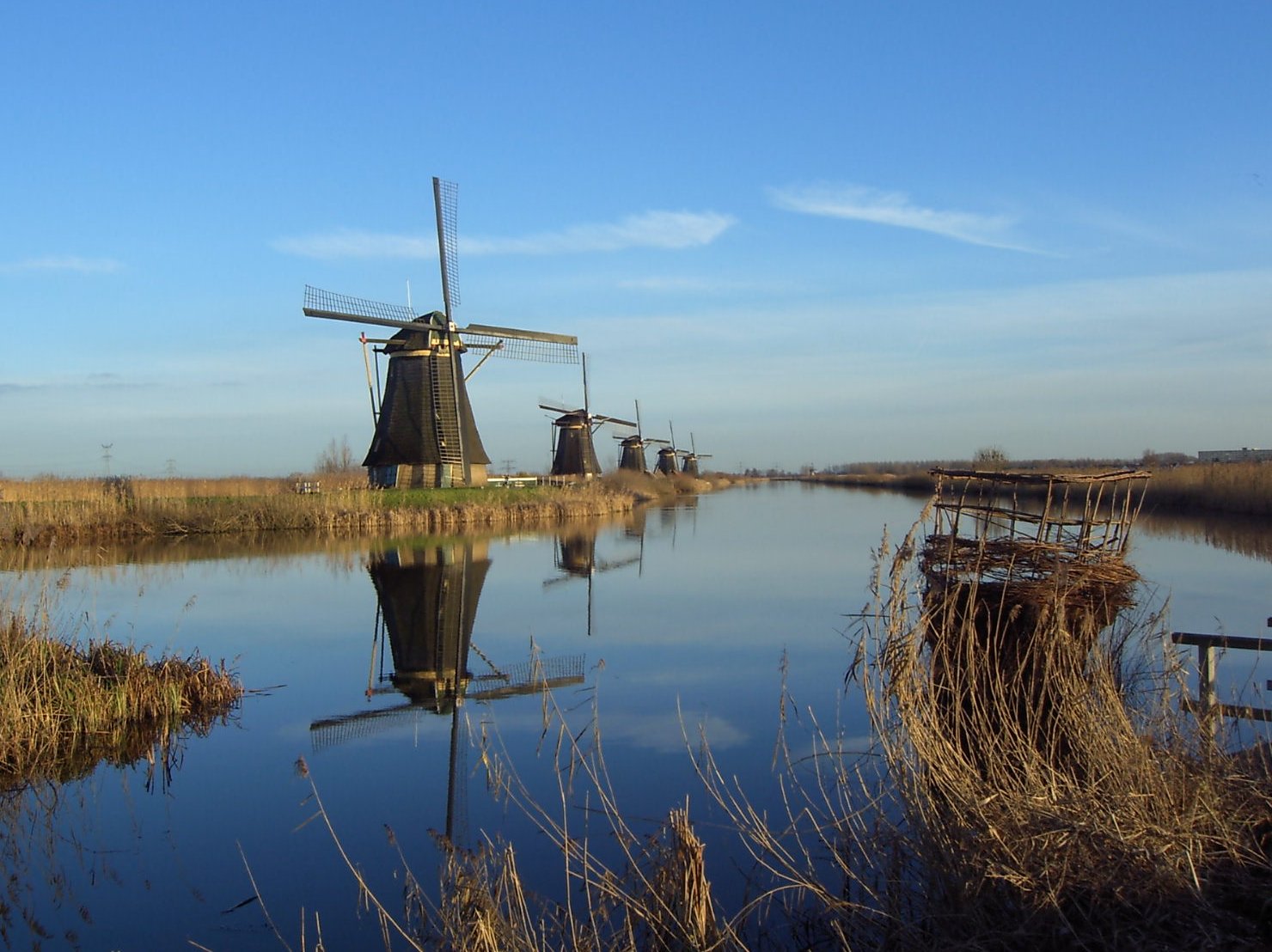
A boat tour lets you see Kinderdijk as it was meant to be seen. The vessels depart regularly, carrying passengers along the main canal and its narrower offshoots. The water is usually calm, reflecting the windmills like a mirror, especially on still days. Occasionally, a duck or a swan will drift by. The route offers different views of the windmills, letting you see their scale and symmetry. Along the way, the guide tells how they were built, how they worked, and how they shaped the lives of the people who depended on them.
These windmills weren’t just machines—they were homes. Some still are. Families lived inside them, their lives tied to the rhythms of the wind and the water. From the outside, the windmills look almost identical: tall, with brick bases and wooden blades, their octagonal shapes rising against the sky. But each has its own character. Windmill No. 2, for instance, dates back to 1738 and is one of the oldest still in operation. Windmill No. 8 has been preserved with its 19th-century interior intact, showing what daily life was like for a miller’s family.
Kinderdijk’s UNESCO World Heritage status comes from what it represents. This is a place where human effort and nature work together, where every element has a purpose. The windmills weren’t built for show; they were a solution to a problem, a way to control the water and make the land livable. Even the modern pumping stations that now handle much of the drainage work have been designed to blend into the landscape.
The best time to visit is early morning or late afternoon, when the light is soft and the crowds are small. In these quiet hours, the windmills take on a dreamlike quality, their reflections shimmering in the water. If you’re lucky, you might see mist rising from the canals. Winter is especially atmospheric, when the fields are bare and the air is crisp. A boat ride in the colder months feels like stepping into another time, where the only sounds are the creak of the windmills and the occasional call of a bird.
For those who want to learn more, there’s a small museum inside one of the windmills. The exhibits explain how the drainage system worked, how the mills were operated, and what life was like for the millers and their families. Nearby, a café provides a place to sit with a coffee and watch the windmills turn, their slow, steady motion a reminder of the patience this place required.
Kinderdijk isn’t for those looking for excitement or spectacle. There are no busy streets or grand monuments. Instead, it’s a place for quiet observation—the way the light catches the water, the sound of the wind in the blades, the sense of space that stretches in every direction. The beauty of Kinderdijk is in its simplicity. It’s not a place you visit to check off a list; it’s a place you come to understand and remember.