Pretoria Art Museum: A Quiet Reflection of South Africa’s Story
Pretoria isn’t the first place that comes to mind when you think of South Africa’s cultural hubs. Cape Town’s waterfronts and museums, Johannesburg’s gold rush history and struggle for equality—they dominate the conversation. Yet the country’s administrative capital holds its own quiet significance, offering spaces that tell its story in ways the crowded tourist trails often miss.
The Pretoria Art Museum is one such place. It doesn’t draw large crowds, and that’s why it feels real—like a conversation with the city’s past and present, not a performance for visitors.
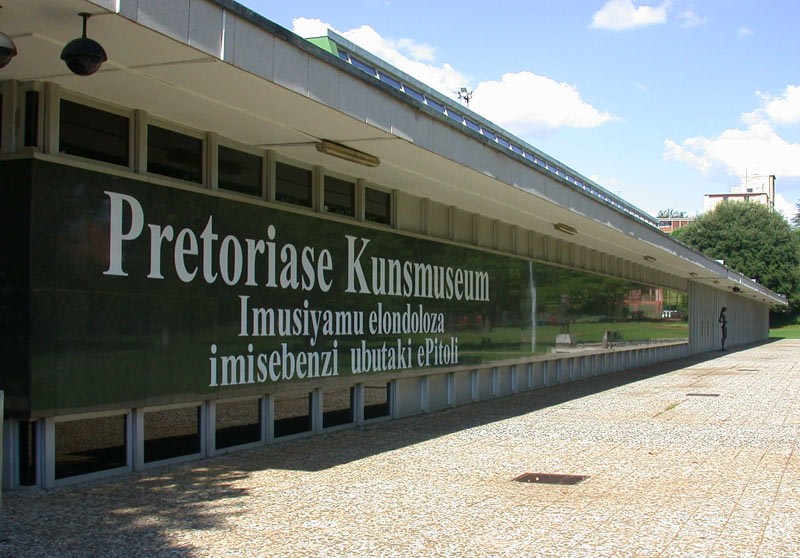
Tucked away in Arcadia Park, the museum sits in one of Pretoria’s quieter corners. The park’s shaded walkways and mature trees create a sense of separation from the city, as if time moves differently here. The building itself is a piece of history, constructed in the mid-20th century when South Africa was changing. Art was no longer just expression; it became a way to resist, to document, to question. The architecture is simple: high ceilings, large windows that soften the light, and spacious galleries where the art has room to breathe.
The collection covers centuries of South African art, but its strength lies in the 20th century. You’ll find works by artists who shaped the country’s visual language during apartheid and in the years that followed. Some names are known internationally, while others matter most to those who call South Africa home. That’s part of why the museum works—it doesn’t try to impress the world. It holds up a mirror to the country’s art, with all its complexities and contradictions.
Irma Stern’s paintings stand out. A leading figure in South African modernism, her work is full of color and life, capturing a time when Europe was discovering African art and Africa was searching for its own voice. Nearby, you’ll see works by artists who lived through apartheid. Their pieces can be raw, even unsettling, because they carry the weight of struggle and hope.
The museum isn’t just paintings. Sculptures, prints, and photographs fill the galleries, showing how South African art has changed over time. One section features works by Black artists, who were long left out of the country’s official cultural story. Their art speaks to everyday life, traditions, and the fight for identity. Their voices aren’t loud, but they’re impossible to ignore—because art is about memory as much as it is about beauty.
There’s no prescribed way to visit the Pretoria Art Museum. No audio guides, no set paths. You can wander, stop where something catches your eye, or sit on a bench and take in a painting in silence. It’s like the city itself—unassuming but willing to reveal itself if you take the time.
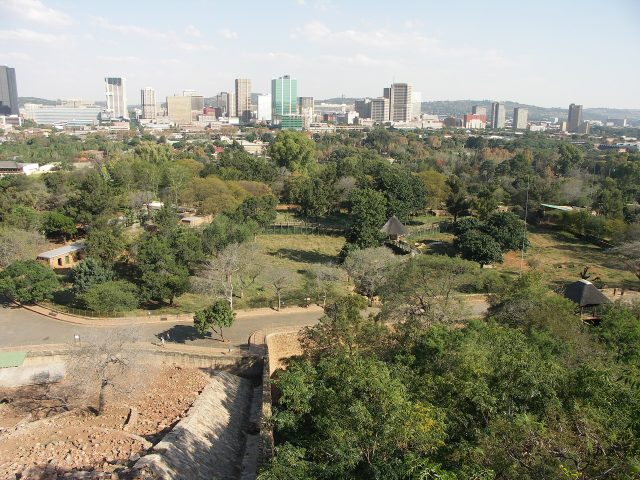
Pretoria is a city of contrasts: modern offices next to colonial buildings, busy markets beside peaceful parks. The art museum fits here, not as a grand statement but as a quiet part of the city’s fabric. It doesn’t claim to be South Africa’s cultural heart, and that’s what makes it special. You won’t find the noise of a major tourist attraction, but you might find something deeper—the city’s soul, thoughtful and a little melancholic.
It’s a place for those who want to see, not just look.