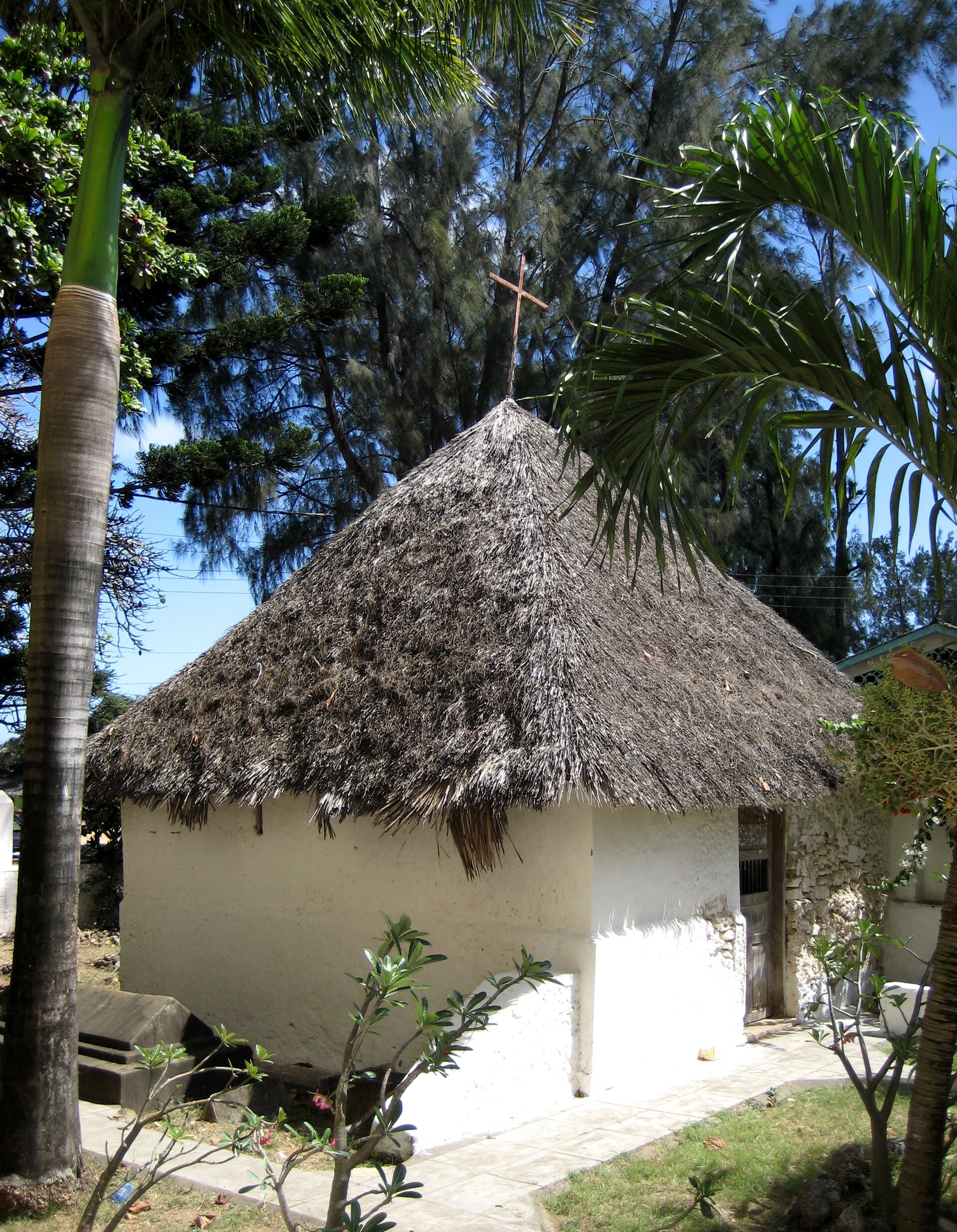
The Portuguese Chapel in Malindi is one of those rare places where history isn’t confined to books. It clings to the coral-stone walls, seeps into the cool air inside, and spills through the narrow windows when the sun is high. Built in the early 1500s by Portuguese explorers, it stands near the Indian Ocean shore, a remnant of Malindi’s past as a trading post on Africa’s eastern coast. The town was a stop for sailors and merchants, and the Portuguese left behind more than forts and warehouses—this chapel, with its thick, pale stone, was part of their legacy.
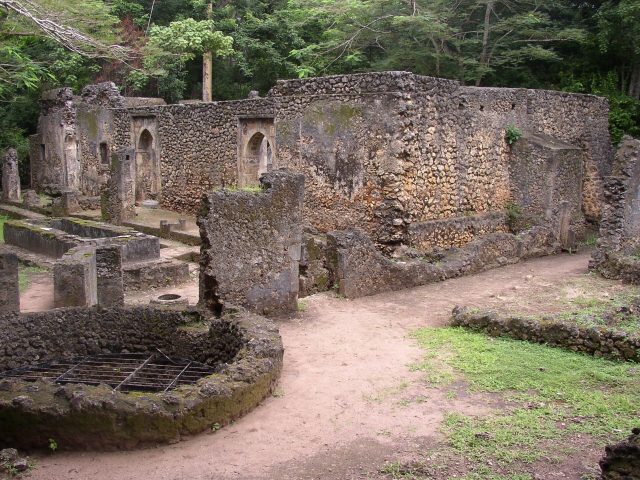
The chapel’s design is simple. The low vaulted ceiling, the windows that filter just enough light, and the unadorned altar reflect a building made for use, not display. Around it, a fort once stood, though now only fragments remain, half-hidden by grass. The chapel has endured, but not unchanged: cracks run through the walls, plaster has fallen away, and the wooden door has been replaced over the centuries.
Today, the chapel is mostly a monument. Services are rare, held for a small group. Inside, there are a few benches and the stone altar. But look closer—faint frescoes linger on the walls, crosses are barely visible, and fragments of Portuguese inscriptions remain. These traces hint at the lives once lived here: sailors praying before voyages, merchants waiting for the wind to shift. Malindi was a crossroads then, and this chapel was part of that mix.
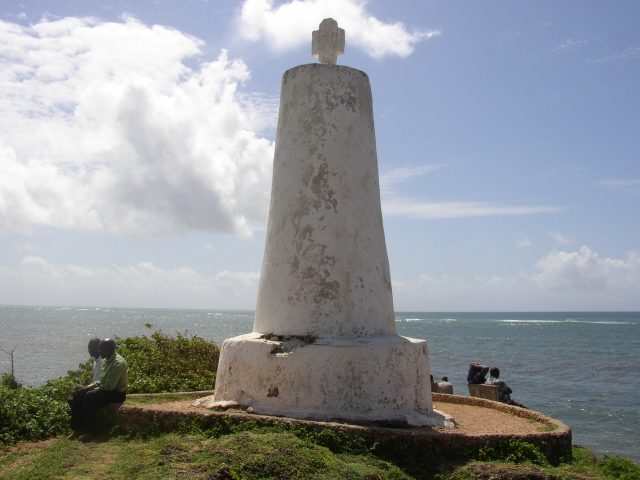
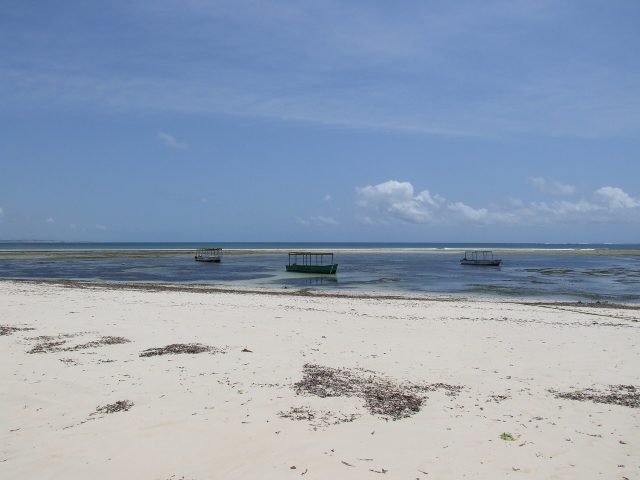
The area around it is quiet now. A nearby beach draws locals in the evenings, and tourists sometimes pause to photograph the old walls. The ocean here is clear but rough, especially during monsoon season, when waves crash against the shore.
The chapel’s story begins with Vasco da Gama, who arrived in Malindi in 1498. The local sultan welcomed the Portuguese, helping them establish a presence on the coast. The chapel was likely built later, once their settlement took root. But their dominance faded—by the 17th century, Arab traders and local communities had reclaimed the town. Still, the Portuguese left their mark: in the architecture, in street names, and in this chapel, which has outlasted so much.
The Chapel of St. Francis Xavier is one of the few places in Malindi where the past feels tangible. It doesn’t attract crowds like the resorts or parks. There’s no rush, no guides—just the sound of waves and the quiet. Climb the small hill beside it, and you’ll see why the Portuguese chose this spot. The coastline curves into a natural harbor, and fishing boats dot the horizon.
The chapel has its own rhythm. In the mornings, women from nearby houses pray or sit in the shade while children play in the sand. An old man sometimes leaves flowers at the altar—perhaps a descendant of those who once tended this place. On feast days, like the feast of St. Francis Xavier, the chapel briefly stirs: hymns are sung, candles lit. Then the quiet returns.
For those who care about history, the chapel is a gift. There are no glass cases here, no labels—just the stones and the cracks in the walls. Sit on a bench, listen to the ocean, and you might wonder: Why has this chapel survived when others have crumbled? What do the faded inscriptions mean? The questions linger, and that’s what makes it worth visiting.
Malindi is a city of contrasts—luxury hotels beside slums, modern cars on colonial roads. But the chapel remains a quiet corner, a place where time slows. It’s a reminder that history isn’t just about grand events. Sometimes, the deepest stories are told in the quietest places. If you’re in Malindi, step inside. Sit for a while. You might feel what those Portuguese sailors did five centuries ago, staring at these walls before sailing into the unknown.