Malindi sits where the Indian Ocean meets the Kenyan coast, a quiet town where the rhythm of the waves blends with the slow pace of Swahili life. Just offshore, beneath the surface of the water, lies Malindi Marine National Park—a protected stretch of coral reefs, seagrass beds, and small islands that has drawn divers, snorkelers, and marine researchers for decades. Established in 1968, it was one of the first marine reserves in East Africa, created to safeguard a fragile underwater world that had thrived here long before tourists arrived.
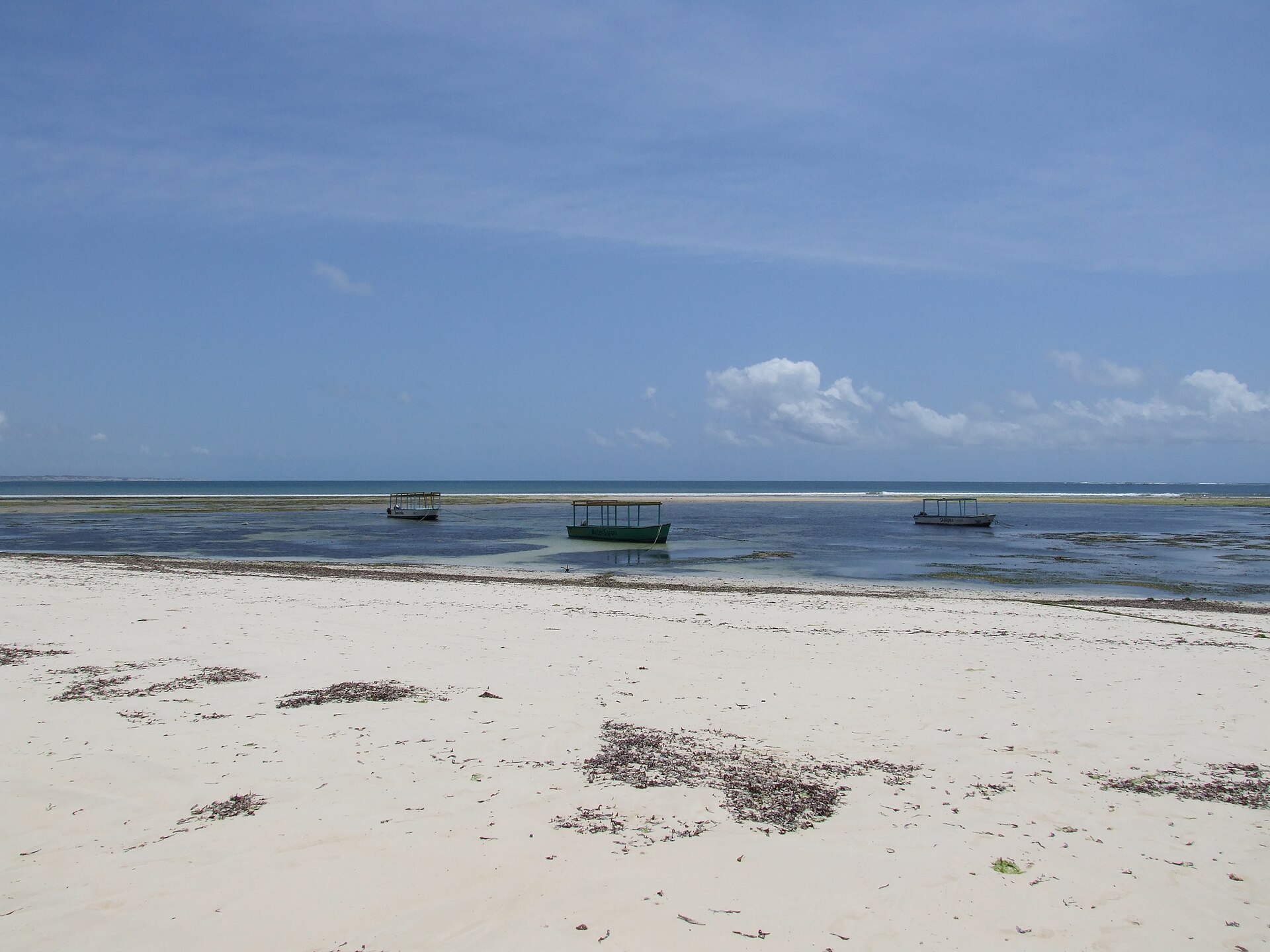
The park covers roughly six square kilometers, a modest area compared to some of Kenya’s larger reserves, but its biodiversity is anything but small. The reefs here are part of a much longer system that runs along the coast, yet Malindi’s section stands out for its variety. Hard and soft corals form intricate structures, their branches and crevices sheltering everything from tiny seahorses to schools of parrotfish. Visibility can reach thirty meters on clear days, especially during the dry season, when the water is calm and the light filters down in shifting patterns. Divers sometimes spot reef sharks gliding through the deeper channels, though they’re more curious than threatening. Above the surface, the islands and sandbars emerge at low tide, revealing starfish, crabs, and the occasional sea turtle making its way across the shallows.
Unlike some of Kenya’s more famous marine parks, Malindi sees fewer visitors, which makes it feel less crowded. The absence of large tour groups means you can drift over the reefs in relative solitude, the only sounds the bubbles from your snorkel and the distant call of seabirds. Local fishermen, many of whom have spent their lives on these waters, offer boat trips on traditional dhows—wooden vessels that have sailed this coast for centuries. They know the best spots, the ones where the coral is healthiest and the fish are most abundant. Nearby, just outside the park’s boundaries, lies the Watamu reef, another vibrant stretch of underwater life where the water is so clear it feels like swimming in glass.
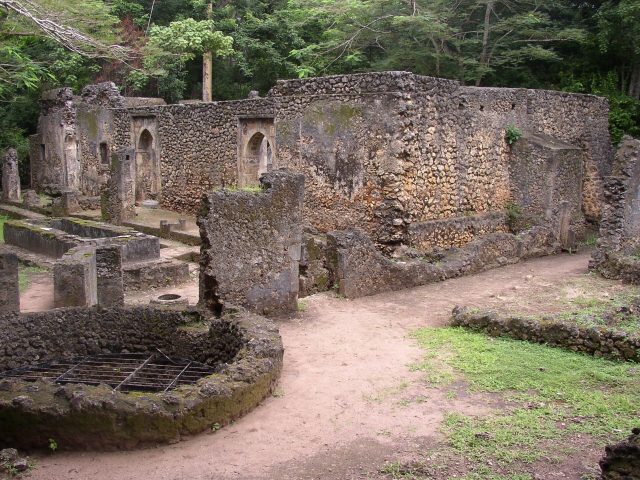
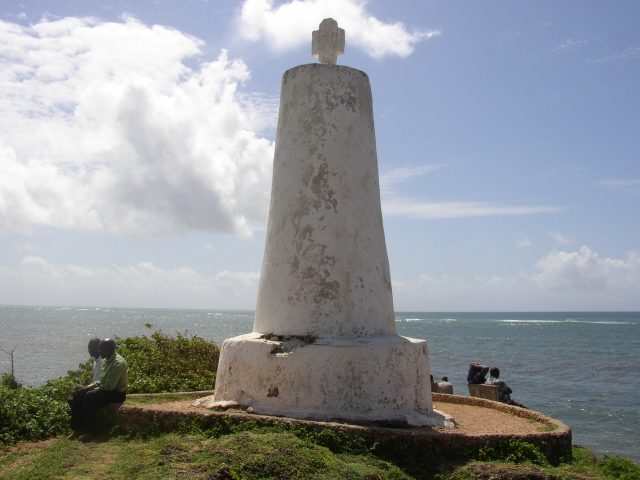
Malindi’s relationship with the sea goes back hundreds of years. Long before it became a destination for divers, the town was a key stop on ancient trade routes. Arab merchants arrived in the Middle Ages, followed by Portuguese explorers like Vasco da Gama, who anchored here in 1498 on his way to India. For generations, the ocean provided food, livelihoods, and a connection to the wider world. That legacy remains visible today, not just in the old coral-stone buildings of the town but in the way people still fish—using handlines and nets passed down through families, even as tourism and conservation efforts reshape the coastline.
The park is strictly protected, with rules designed to minimize human impact. Touching coral, feeding fish, or leaving behind any waste is forbidden, and most visitors follow these guidelines without complaint. The restrictions aren’t just about preserving the reefs for future tourists; they’re about maintaining an ecosystem that supports local communities. Coral reefs act as natural barriers against storms, provide nurseries for fish, and sustain the delicate balance of marine life. When that balance is disrupted—by pollution, overfishing, or climate change—the effects ripple outward, affecting everything from the health of the ocean to the food on people’s tables.
Beyond the underwater world, the park has its share of above-water charm. Wasini Island, a small mangrove-covered patch of land, is a quiet place where birds nest in the tangled roots and crabs scuttle across the mudflats at low tide. The sandbars that appear during ebb tide are perfect for wading, the water warm and shallow enough to walk for long stretches without losing sight of the shore. In the dry season, from July to October, the sea is at its calmest, the waves gentle and the water temperature just right for swimming. The rainy season, from April to June, brings rougher seas but also a different kind of beauty—the mangroves turn lush and green, and the birdlife becomes more active, with herons and kingfishers darting between the branches.
For those who want to learn more, Malindi has a small marine education center where visitors can watch documentaries about coral reefs or listen to talks on the challenges facing marine ecosystems. The discussions often touch on climate change, plastic pollution, and the pressures of mass tourism—topics that feel urgent here, where the ocean is both a resource and a responsibility. Guides encourage small, practical changes, like using reef-safe sunscreen or avoiding single-use plastics, as ways to help protect the environment. It’s a reminder that even in a place as seemingly untouched as this, human choices have consequences.
What makes Malindi Marine National Park special isn’t just the coral or the fish, but the sense of time moving differently here. There’s no rush, no agenda beyond the next dive or the next sunset. The town itself, with its narrow streets and Swahili architecture, feels like a place where history hasn’t been erased by modernity. The markets sell spices, fresh fish, and handmade crafts, and the scent of grilled seafood drifts through the air in the evenings. Locals still tell stories of the ocean’s moods, of the best times to fish and the signs that a storm is coming. It’s a place where the past and present coexist, where the sea is both a provider and a mystery.
If you come here, it won’t be for the luxury resorts or the nightlife. It will be for the quiet moments—the way the light changes over the water at dusk, the silence of floating above a reef teeming with life, the simple pleasure of sitting on a boat as it glides back to shore. Malindi doesn’t demand much from its visitors, but it offers something rare: a chance to step away from the noise and remember what it’s like to be still. The ocean has been here for centuries, and it will be here long after we’re gone. For now, it’s enough to just be part of it for a little while.