Gede is one of those rare places where the past doesn’t just linger—it breathes. Tucked away in the coastal forests of Kenya, a short distance from Malindi, these ruins tell the story of a once-thriving medieval city that stood at the crossroads of ancient trade routes. Today, the silence is broken only by the rustle of leaves and the occasional murmur of visitors, but if you listen closely, the echoes of a bustling marketplace, the haggling of merchants, and the call to prayer from long-gone mosques still seem to hang in the air.
The city flourished between the 12th and 17th centuries, though its golden age likely spanned the 14th and 15th centuries. Back then, Gede was a vital hub in the Swahili coastal trade network, connecting East Africa with the Arab world, India, and even China. Ivory, gold, spices, and ceramics passed through its markets, while local rulers minted their own coins—a sign of both wealth and independence. The city was part of a string of Swahili settlements stretching from Somalia to Mozambique, and its architecture reflects the blend of African, Arab, and Indian influences that defined the region.
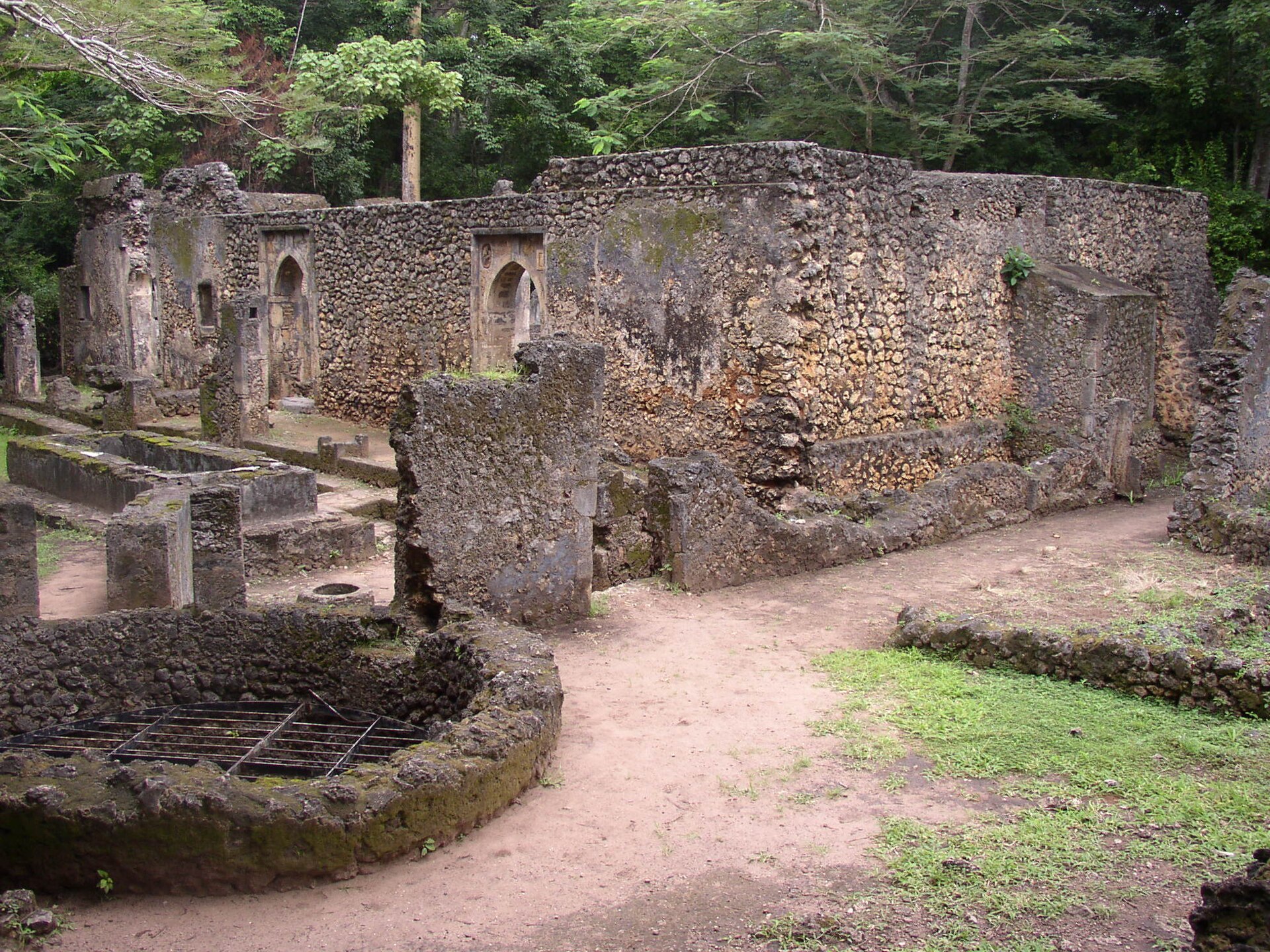
Walking through the ruins, it’s hard not to wonder what life was like during Gede’s peak. The city was once encircled by a massive stone wall, fragments of which still stand today. Inside, the remains of mosques, palaces, and residential quarters reveal a society that was both sophisticated and cosmopolitan. The buildings were constructed from coral stone, a material unique to the Swahili coast—soft enough to carve yet durable enough to withstand the tropical climate. Intricate niches and geometric patterns adorned the walls, while roofs were likely thatched with palm leaves or covered with imported tiles.
The Great Mosque, built in the 15th century, is one of the most striking structures in Gede. Even in its ruined state, the scale is impressive—tall arches, towering columns, and the mihrab, the prayer niche pointing toward Mecca, all hint at the city’s former grandeur. Nearby, the ruins of the palace offer a glimpse into the ingenuity of Gede’s inhabitants. A network of drains and wells suggests advanced water management, a necessity in this arid region. Rainwater was collected and stored in reservoirs, ensuring the city’s survival during dry seasons.
The residential areas provide a more intimate look at daily life. Houses were built around central courtyards, a design that offered shade and privacy. Some still bear traces of carved doorways and windows, their patterns a testament to the craftsmanship of the time. Many homes had two stories, a rarity in medieval East Africa and a sign of the wealth that flowed through the city. The layout of these houses, with their cool, shaded interiors, speaks to a deep understanding of the local climate.
Gede wasn’t an isolated outpost—it was part of a vast trade network that linked Africa to the wider world. Merchants from Oman, India, and China once walked these streets, leaving behind fragments of Chinese porcelain and Indian beads as evidence of their presence. The city thrived on the rhythm of the monsoons: from November to March, winds carried ships from Arabia and India, while from April to October, they shifted southward, opening routes to Zanzibar and Mozambique. Trade brought prosperity, but it may also have been the city’s downfall. Competition with other ports or raids by pirates could have contributed to its decline.
What led to Gede’s abandonment remains a mystery. Theories range from water shortages to disease or invasion, but the truth is likely more mundane—trade routes shifted, and the city lost its relevance. Whatever the reason, today Gede stands as a quiet monument to a forgotten era. Unlike more famous ruins, it’s rarely crowded, which only adds to its charm. The best time to visit is early morning or late afternoon, when the light is soft and the air is filled with the scent of the surrounding forest.
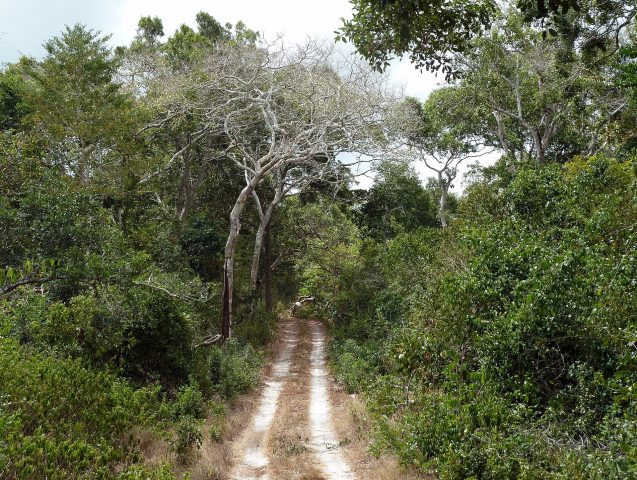
The ruins are nestled within a dense coastal forest, now part of a national reserve. The trees provide a natural barrier, reinforcing the sense that this place has been untouched for centuries. Monkeys chatter in the branches, birds flit between the trees, and if you’re lucky, you might even spot an elephant—though they’re rare visitors. The forest’s presence makes the ruins feel even more remote, as if the city was swallowed by time itself. Local guides sometimes share stories of spirits lingering among the stones, and while it’s easy to dismiss such tales, the atmosphere here makes them strangely believable.
Gede isn’t a place for those seeking luxury or modern comforts. There are no grand hotels or bustling restaurants, just the quiet hum of history. It’s a spot where you can wander among ancient walls, imagining the lives of the people who once called this place home. The ruins don’t offer easy answers, but they do provide something rarer—a sense of connection to the past, untouched by the noise of the present. Here, time moves differently, and for a little while, you can step into a world that feels both distant and strangely familiar.