The Pomor Trader Monument in Honningsvåg is more than just a sculpture—it’s a quiet tribute to the people who connected Norway’s northern shores with distant lands long before roads or modern ports existed. Perched on the edge of this small Arctic town, where the stark landscape meets the sea, the monument feels like a natural part of the surroundings, as if the very air carries echoes of a time when Pomor traders—Russian and Norwegian merchants—crossed the Barents Sea in fragile wooden boats, carrying goods, news, and the promise of exchange.
The history of Pomor trade stretches back to the 16th century, when northern communities realized that mutual benefit could ease the hardships of life in these unforgiving latitudes. Norwegians offered fish, blubber, hides, and furs, while the Pomors brought grain, flour, fabrics, and metalware—everything the North lacked. Trade was built on trust rather than formal contracts, often evolving into lasting friendships between families. Honningsvåg, located on the island of Magerøya, was a key stop on this route, where paths from Russia, Norway, and even Western Europe converged.
The monument itself is a relatively recent addition, but its creation felt inevitable. By the late 20th century, interest in Pomor trade history had revived, and locals and historians sought a way to honor this unique chapter. The sculpture depicts two men—a Norwegian and a Russian—exchanging goods on the shore. Their poses are understated, almost casual, as if they’ve just met after a long journey and are now sharing stories. The figures are realistic but unpretentious, giving the monument a sense of warmth and humanity.
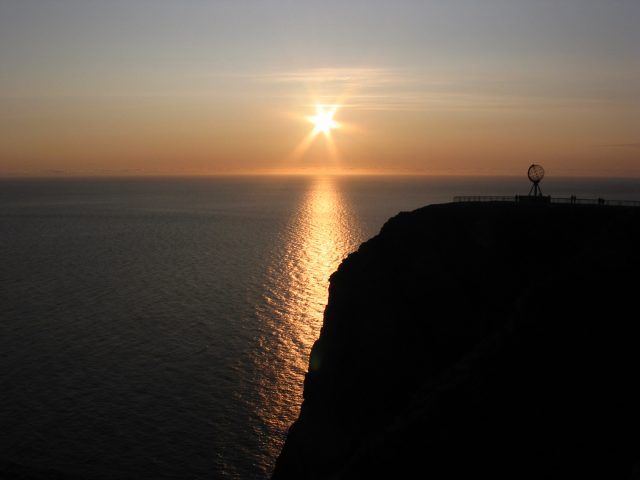
The location was chosen with care. The monument stands on a slight rise by the sea, offering a view of the fjord and rocky coastline. On clear days, the proximity of land and water is striking, a reminder of how easily these waters were once crossed by sail. In winter, when the sea freezes and winds scour the snow from the hills, the monument blends into the harsh landscape, a silent testament to the fact that trade here was never easy. In summer, under the endless light of the midnight sun, the figures seem almost alive, as if they might start speaking in a mix of Norwegian and Russian.
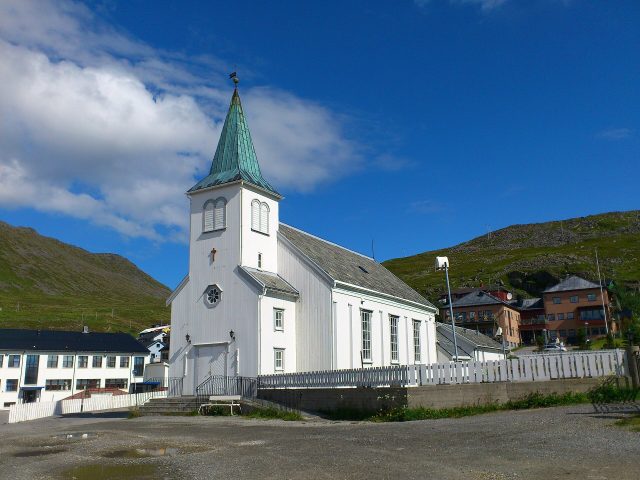
Pomor trade left a lasting mark on the culture and daily life of northern communities. Many Norwegian families still keep items brought from Russia—samovars, icons, painted spoons. The language retains words borrowed from the Pomor dialect, and local cuisine includes dishes prepared according to Russian traditions. Even the architecture of some homes in Honningsvåg and nearby villages reflects this history: low, sturdy buildings with thick walls to withstand Arctic winters, often adorned with carved window frames reminiscent of those in northern Russian villages.
Today, the monument is more than a nod to the past—it’s a symbol of how different cultures can find common ground even in the most challenging conditions. Honningsvåg, despite its remoteness, has always been a place of convergence, where the paths of sailors, fishermen, traders, and travelers intersected. Though Pomor trade is long gone, its spirit lingers in this corner of Norway. Locals take pride in recounting how their ancestors traded with Russians, and visitors often pause by the monument to photograph the sea and cliffs in the background.
There are no museums or information boards here—just open space and silence, broken only by the cries of gulls and the sound of waves. The monument doesn’t need grand explanations. It speaks for itself, about how people divided by borders and languages once found a way to communicate, how trade became a bridge between cultures, and how human solidarity can overcome even the harshest conditions. If you ever find yourself in Honningsvåg, don’t rush away. Stand for a moment by the monument, look out at the sea, and you might just catch a whisper of that distant era when Pomors and Norwegians met here to exchange not just goods, but stories.