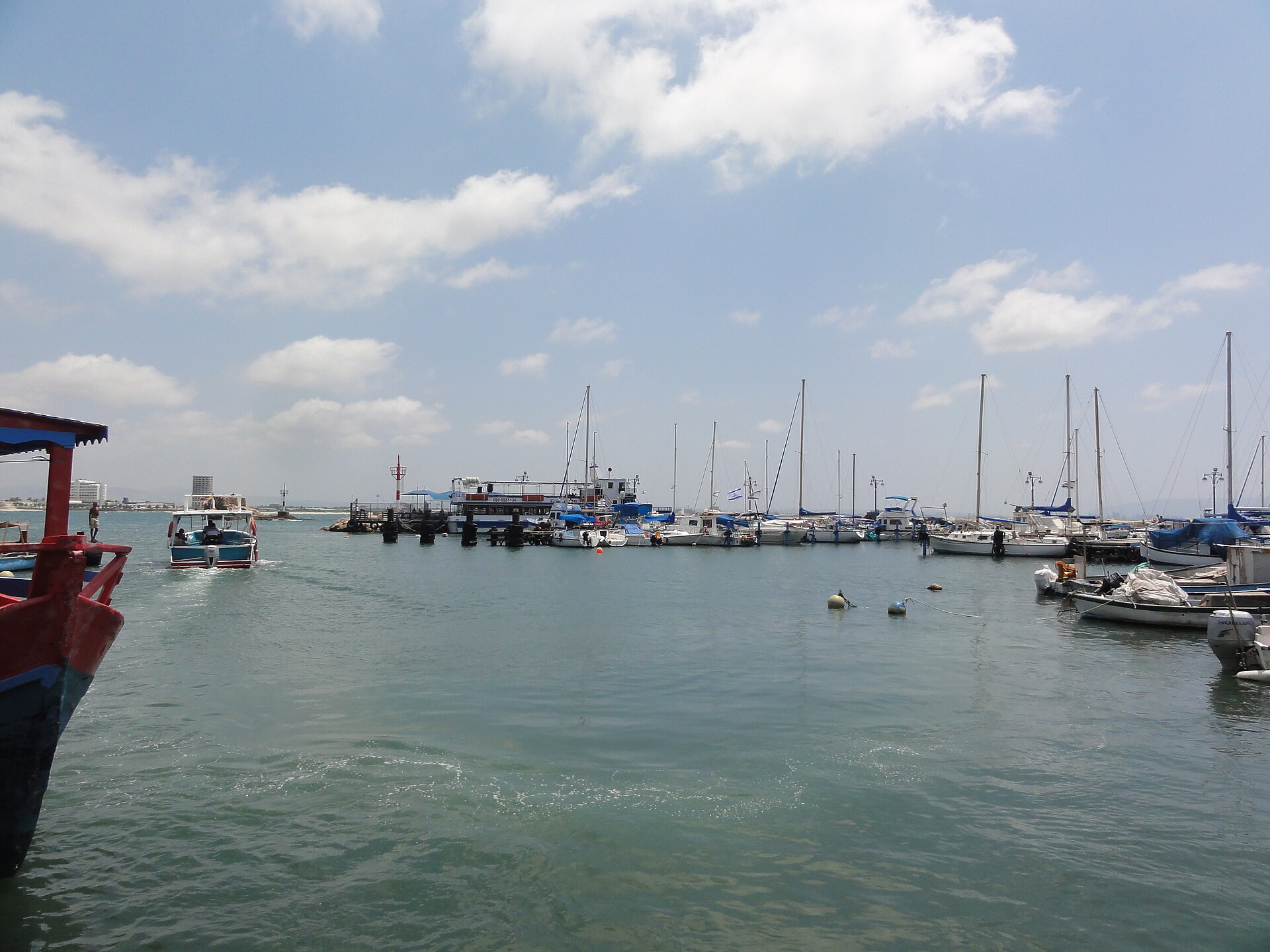
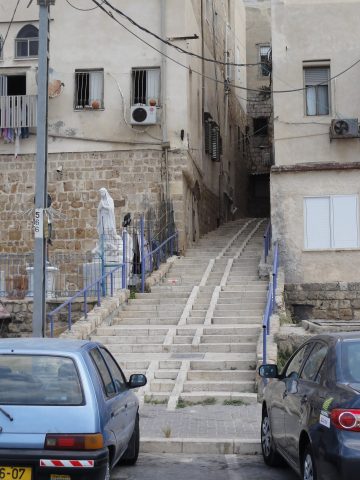
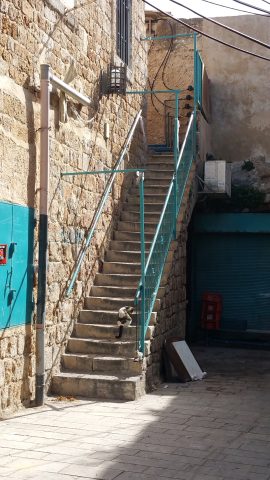
The port of Acre is one of those rare places where history isn’t just preserved in stone but continues to breathe, shifting with the city around it. Nestled along Israel’s northern coast, where the Mediterranean meets the tangled streets of Old Acre, the harbor feels like a living museum. The worn docks, the weathered warehouses, even the rusted anchors half-buried in the sand—each tells a story of a time when this was one of the most vital ports on the eastern Mediterranean.
Acre has always been a crossroads, and its harbor was the heart of that role. Long before the Crusaders arrived, Phoenician ships docked here nearly three thousand years ago, laden with cedar, purple dye, and glass. By the 12th and 13th centuries, the port had become the gateway to the Holy Land for pilgrims and knights, a bustling hub where spices, silk, weapons, and enslaved people passed through on their way between Europe, Asia, and Africa. Even after Jerusalem fell, Acre thrived as the capital of the Crusader Kingdom, its wealth so vast that it took the Mamluks nearly two centuries to finally break its defenses in 1291.
Today, the port is quieter than in its heyday, but that only makes it more compelling. It still functions, though on a smaller scale—fishing boats return with the day’s catch, small yachts bob in the water, and occasionally a naval vessel docks nearby. Unlike the industrial ports of Haifa or Ashdod, Acre’s harbor has a slower, more deliberate rhythm. There’s no frantic energy here, just the steady pulse of a place that has seen empires rise and fall.
Walking along the waterfront, it’s easy to imagine the chaos of medieval trade. The old warehouses, built from massive stone blocks, still line the shore, though many have been repurposed into cafes, restaurants, and guesthouses. Some retain their vaulted ceilings and thick walls, designed to keep goods cool and secure. One of these buildings now houses a small museum dedicated to the port’s history, where old maps, navigational tools, and ship models offer a glimpse into the days when Acre was the maritime key to the Middle East.
The Ottoman era left its own mark on the port. In the 16th century, Sultan Suleiman the Magnificent ordered the city’s fortifications strengthened and the harbor expanded, turning it into a strategic base for the Ottoman fleet. Many of the structures still standing today—docks, shipyards, and warehouses—date from this period. By the 19th century, the port even served as a temporary base for Muhammad Ali’s Egyptian fleet when he briefly seized control of the city. The Ottomans understood Acre’s value, and for centuries, it remained a critical link in their Mediterranean trade network.
Nowadays, the port isn’t just a relic of the past—it’s woven into the fabric of daily life. Fishermen set out at dawn and return by evening, selling their catch right on the docks. In summer, the waterfront buzzes with tourists sipping coffee at seaside cafes or boarding ferries to nearby towns. Winter brings a quieter beauty, with storm waves crashing against the ancient stones and the air thick with the scent of salt and seaweed.
What makes the port truly special is how it bridges history and modernity. In recent years, artists have begun to claim the space, turning old warehouses into galleries and studios. Some works draw directly from Acre’s past—paintings of medieval ships, photographs of fishermen at work—while others capture the raw beauty of the sea. Street art adorns the walls along the waterfront, blending seamlessly with the weathered stone. It’s a place where the past isn’t just remembered but actively reinterpreted.
Acre doesn’t rush to leave its history behind, and the port is the perfect symbol of that continuity. Walking along its docks, you can feel the weight of the Crusader era, the Ottoman influence, and the quiet resilience of modern life all at once. There are no flashy billboards or crowds jostling for the perfect photo. Instead, there’s a sense of time moving differently here—slower, deeper, as if the waves lapping against the shore are carrying echoes of every ship that ever docked in these waters. The port has survived centuries of change, and it will keep evolving, but its essence remains the same.