The Rosedale Suspension Bridge is one of those places in Alberta that feels like stepping into another era. Stretching across the Red Deer River valley near the town of Drumheller, it connects two sides of a deep canyon, offering more than just a way to cross—it’s a glimpse into the region’s past. This wasn’t just a bridge built for convenience; it was a lifeline for a community shaped by coal mining and the relentless drive of early settlers. Today, it draws those who want more than just scenery—they come for the quiet sense of history that lingers in the air.
Construction began in 1931, a time when Drumheller was the heart of Alberta’s coal industry. The valley was dotted with small mining towns, and getting from one side to the other meant a long detour or a risky river crossing. The bridge was built by hand, using steel cables and wooden planks, a feat that must have felt like defying gravity in those days. It wasn’t just a structure; it was a symbol of progress, a testament to the grit of the people who lived here. The work was hard, the conditions harsh, but the result was something that would outlast the mines themselves.
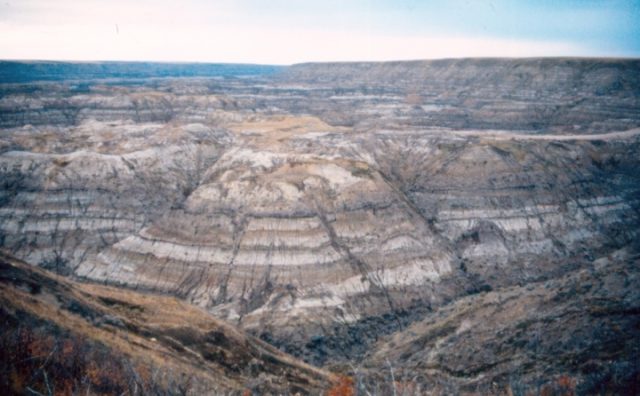
Walking across the bridge is an experience in itself. It sways slightly underfoot, the wind tugging at the cables, and the drop below is enough to make even the steadiest person pause. The bridge spans about a hundred meters, suspended more than twenty meters above the canyon floor. The view from the middle is worth the slight unease—the valley stretches out in all directions, its slopes carved by time and water, the same paths once trodden by miners and homesteaders. The river below winds through the rocks, slow and steady, as if it has all the time in the world.
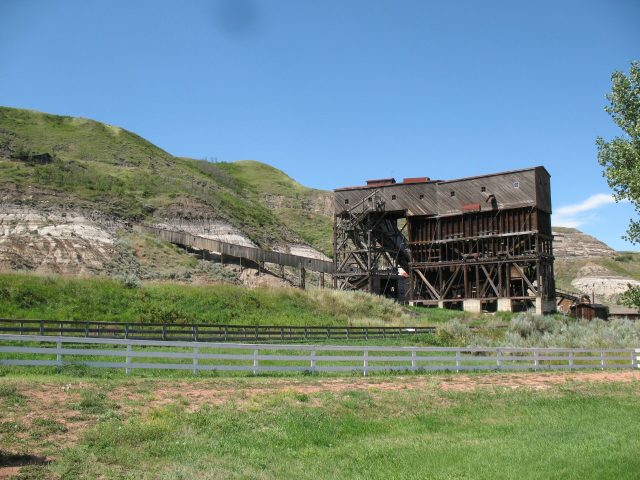
The bridge isn’t just a relic; it’s part of a larger story. Drumheller’s coal mines once fueled the region, and their remnants are still visible in the landscape. Abandoned mine shafts and crumbling infrastructure dot the area, reminders of an industry that shaped the town’s identity. The Rosedale Suspension Bridge stands as a quiet link between that industrial past and the present, a place where the echoes of history feel almost tangible. It’s easy to imagine the miners crossing here, their boots heavy with coal dust, or the families who relied on it to reach the other side of the valley.
What makes the bridge special today is its lack of crowds. Unlike more famous landmarks, it doesn’t attract busloads of tourists. Instead, it offers solitude—a chance to stand in the middle of the span and listen to the wind rush through the cables, the only sound breaking the silence. In summer, the valley is lush and green, the river reflecting the blue sky. By autumn, the hillsides blaze with red and gold, a stark contrast to the gray rock of the canyon. It’s a place where nature takes center stage, and the bridge feels like a humble observer to the changing seasons.
The bridge is also a starting point for exploring the surrounding area. The Red Deer River valley is crisscrossed with hiking trails, some leading to old mine sites, others to viewpoints where the landscape unfolds in all its rugged beauty. You can follow the riverbank, where the water moves lazily over smooth stones, or climb one of the nearby hills for a panoramic view of the valley. Locals often come here for picnics or family outings, escaping the noise of town for a few hours. It’s the kind of place where time slows down, where the only agenda is to take in the view and breathe in the crisp prairie air.
Winter transforms the bridge and the valley into something entirely different. Snow blankets the wooden planks, and the canyon becomes a silent, white expanse. Walking across in the cold is an adventure—your breath hangs in the air, and the wind bites at exposed skin. The bridge is still sturdy, but the experience feels more raw, more real. The valley in winter is a reminder of how harsh this land can be, but also how beautiful. It’s not a place for the unprepared, but those who venture out are rewarded with a sense of solitude that’s hard to find anywhere else.
The Rosedale Suspension Bridge is more than just a tourist stop; it’s a piece of living history. It tells the story of a time when people carved out a life in a place that didn’t always make it easy. The bridge has seen the rise and fall of the coal industry, the comings and goings of generations, and yet it still stands, a quiet witness to it all. It’s a place where the past isn’t just remembered—it’s felt. And in a world that moves too fast, that’s something rare.