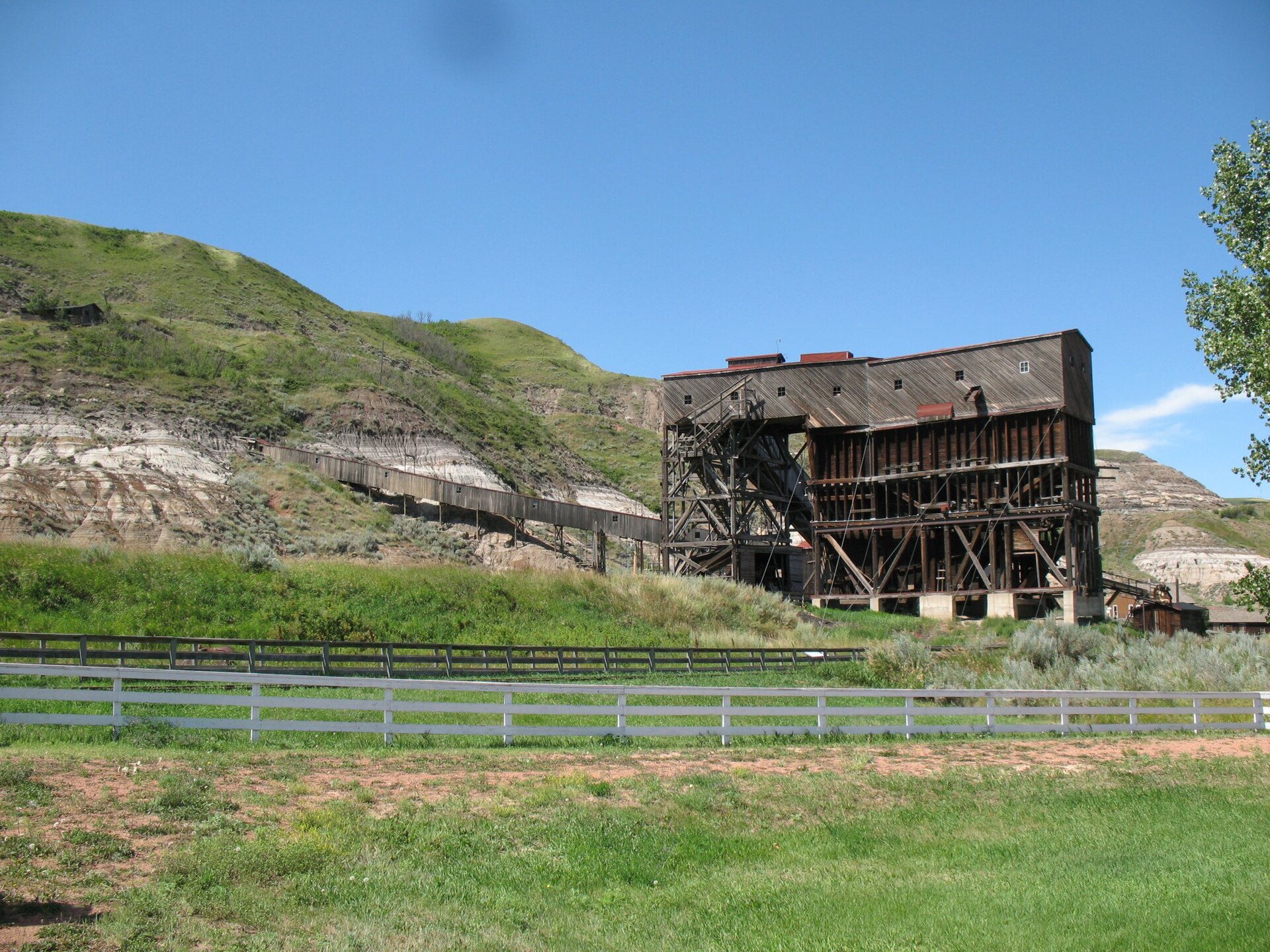
The Atlas Coal Mine in Drumheller is one of those rare places where the past doesn’t just linger—it feels alive. Tucked into the Alberta badlands, this former mining site was once the backbone of a region that powered Canada’s early industrial growth. Today, it stands as an open-air museum, a quiet but powerful reminder of the people who worked underground, the communities that depended on the mines, and the grit that shaped the Canadian West. There’s no gloss here, no attempt to soften the edges of history. The rusted rail tracks, the weathered mine carts, the crumbling structures—everything tells a story of hard labor, risk, and the slow, relentless march of progress.
Coal wasn’t just a resource in early 20th-century Canada; it was the lifeblood of entire towns. The Atlas Mine opened in 1936, at a time when coal heated homes, fueled locomotives, and kept factories running. For the men who worked here, it was a way of life, though not an easy one. They descended into the earth in cramped cages, their only light coming from flickering lamps, their lungs filling with dust as they hacked away at the coal seams. The work was dangerous—cave-ins, explosions, and long-term health problems were constant threats—but it was also essential. The mine wasn’t the largest in the region, but its story is much like that of countless others: a place where ordinary people did extraordinary things just to keep the world moving.
What makes the Atlas Mine special is how little it has changed. The underground tunnels, the lamp room, the changing sheds—all of it remains much as it was decades ago. Guides, some of whom once worked here themselves, lead visitors through the narrow passageways, pointing out the wooden supports that barely held back the weight of the earth and the coal veins that still glisten in the dim light. The air is cool and damp, the silence broken only by the occasional drip of water from the ceiling. It’s not hard to imagine the noise that once filled these tunnels—the clatter of machinery, the shouts of workers, the rumble of carts carrying coal to the surface. The mine doesn’t just describe history; it lets you feel it.
Above ground, the site is just as evocative. The old administrative buildings, workshops, and storage sheds have been preserved, their peeling paint and creaking floors adding to the sense of stepping back in time. One of the buildings houses an exhibit on Alberta’s coal mining history, filled with photographs, documents, and personal items that belonged to the miners. There are stories of strikes that divided communities, of accidents that claimed lives, and of the slow decline of the industry as oil and gas took over. It’s a sobering look at how quickly fortunes can change, and how easily the past can be forgotten.
The mine is more than just a collection of artifacts; it’s a monument to an era that shaped modern Canada. Walking through the site, it’s impossible not to feel a mix of admiration and unease. Admiration for the resilience of the people who worked here, unease at the thought of how easily their struggles could be overlooked today. The wind whistles through the empty buildings, carrying with it echoes of a time when this place was alive with activity. There are no grand reconstructions here, no attempts to romanticize the past. The Atlas Mine presents history as it was—raw, unfiltered, and deeply human.
For anyone interested in industrial heritage, the mine is a revelation. It’s not a polished tourist attraction, and that’s precisely what makes it compelling. The authenticity here is palpable. The coal dust that still clings to the walls, the stories told by former miners, the way the underground tunnels seem to breathe—it all creates a connection to the past that’s hard to find elsewhere. This isn’t a place that entertains; it’s a place that makes you think. About the cost of progress, about the people who paid it, and about the importance of remembering them.
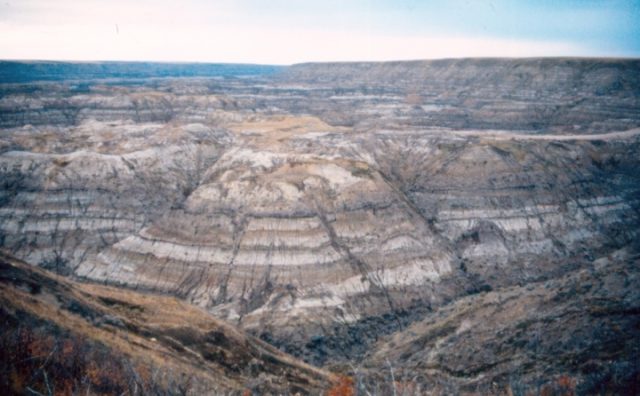
Drumheller itself is a town with a story worth exploring, and the Atlas Mine is one of its most significant chapters. The surrounding badlands, with their stark beauty, were once the source of the coal that fueled a nation. Today, the landscape looks peaceful, but beneath the surface lie miles of tunnels, a hidden network that once buzzed with activity. A visit to the mine pairs well with a walk through Drumheller, where other remnants of the coal era still stand—old rail depots, miners’ homes, and a museum dedicated to the town’s history. Together, they paint a vivid picture of a time when coal was king.
The Atlas Coal Mine isn’t for everyone. It doesn’t offer flashy exhibits or high-tech displays. What it does offer is something far more valuable: a chance to step into the past and see it for what it really was. The mine doesn’t ask for your awe; it earns it. And that’s what makes it unforgettable. Whether you’re drawn to history, industry, or just the quiet power of a place that refuses to be forgotten, the Atlas Mine delivers. It’s not just a stop on a journey—it’s a moment of reflection, a reminder of the hands that built the world we live in today.