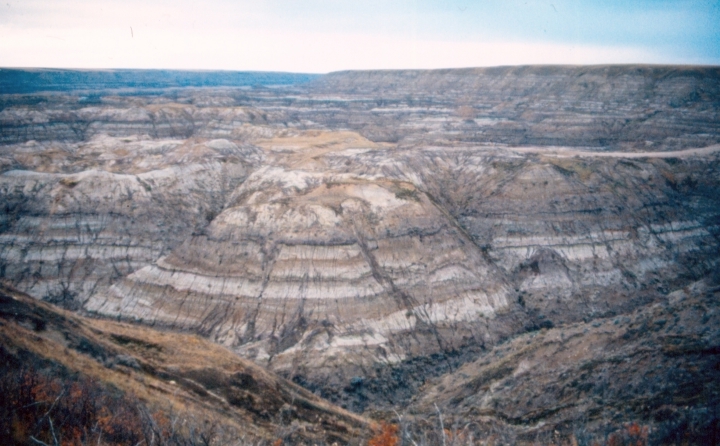
Horseshoe Canyon is one of those places in Alberta where the land feels deliberately shaped by time and the elements, as if nature set out to prove just how powerful and patient it can be. Tucked just outside Drumheller, the canyon cuts through the earth like a scar, its steep walls carved by ancient forces into something both rugged and delicate. The slopes are a patchwork of grasses and wildflowers, shifting with the seasons, while the silence here is so complete that the wind moving through the prairie sounds almost like a presence of its own. Locals call it simply Horseshoe, and the name fits—unpretentious, straightforward, just like the landscape itself.
The story of the canyon begins long before humans ever set foot here, when glaciers covered the region and the Red Deer River began its slow work of erosion. Over thousands of years, the river wore away the soft sandstone and shale, deepening the gorge one grain at a time. Even now, the process continues, though so gradually that it’s invisible to the eye. For the Indigenous peoples who lived in these lands for generations, this was a place of significance—somewhere to gather medicinal plants, draw fresh water, and perhaps find moments of quiet reflection. Their presence lingers in the occasional arrowhead or tool unearthed by hikers, though such discoveries are rare.
At first glance, Horseshoe Canyon might seem modest compared to the vast chasms of the American Southwest, but its scale is part of its charm. The drop from the rim to the river below is about sixty meters, and the canyon stretches roughly a kilometer in length, its curves mimicking the shape of a horseshoe. From the edge, the view is deceptively serene—the river winds through the bottom, vanishing and reappearing around bends, while the walls rise up like natural amphitheaters. The light changes everything. In spring, the water runs high and fast, its roar audible even from the top, while autumn turns the slopes into a blaze of gold and russet. Summer brings a different kind of quiet, with the scent of sagebrush and wildflowers drifting on the warm air.
Walking here isn’t so much a hike as it is a slow unraveling of perspective. The trail clings to the rim, narrow in places, forcing you to move carefully, to pay attention to where you step. The reward is a shifting panorama—every turn reveals another angle of the canyon, another play of light on stone. Down by the river, small pebble beaches offer a place to sit and listen to the water tumbling over rocks. Some visitors wade in, though the current can be swift and the water is always cold, even in July. Winter transforms the canyon into something almost otherworldly, with ice formations clinging to the walls like frozen waterfalls and the river reduced to a quiet, glassy ribbon.
What makes Horseshoe Canyon unusual is how little it has been altered by tourism. There are no gift shops, no paved overlooks, no signs pointing you toward the "best photo spots." The only nod to visitors is a small plaque near the trailhead, asking people to tread lightly. The lack of development isn’t an oversight—it’s a deliberate choice, one that has allowed the canyon to retain its sense of wildness. This isn’t a place that demands your attention; it simply exists, indifferent to whether you notice it or not.
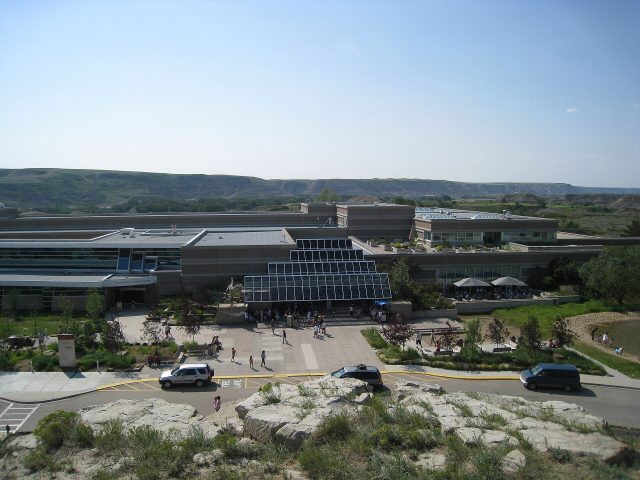
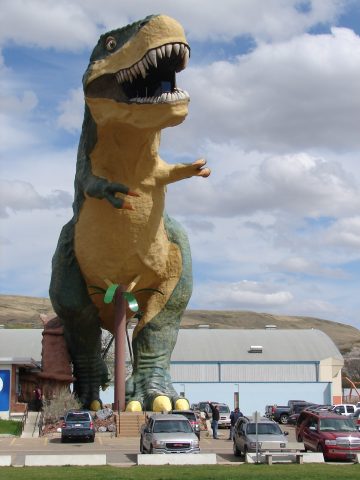
For those who make the trip to Drumheller, the canyon often comes as a surprise. The town is better known for its quirky attractions—the towering metal T. rex, the world-class dinosaur museum—but Horseshoe offers something quieter, something that feels older than all of that. People come here not for entertainment, but for the chance to step away from the noise of everyday life. Some return year after year, as if drawn back by something they can’t quite name. Maybe it’s the way the light slants across the walls in the late afternoon, or the way the wind carries the sound of the river up from the bottom. Or maybe it’s just the rare feeling of being in a place that hasn’t been tamed.
Time moves differently here. You can spend hours wandering the rim, watching the shadows stretch and shift, and it will feel like no time has passed at all. The sun arcs slowly overhead, and by late afternoon, the canyon takes on a softer, more muted quality. As dusk approaches, the walls darken, and the river below begins to glow with the last of the daylight, turning the water into a ribbon of liquid gold. If you’re lucky, you might spot a mule deer picking its way down to the water’s edge, or hear the distant call of a great horned owl hunting in the twilight.
Horseshoe Canyon isn’t a place you can fully describe. You have to stand at the edge and look down, feel the rough texture of the trail under your boots, breathe in the dry, earthy scent of the prairie. It doesn’t ask for much—just that you show up, that you pay attention. There are no grand revelations here, no dramatic vistas that explain everything at once. Instead, it offers something quieter: a reminder of how vast and intricate the world really is, and how small we are in comparison. That might be why people keep coming back. Not for answers, but for the chance to sit with the questions.