The Royal Tyrrell Museum isn’t just a place you visit—it’s an experience that lingers long after you leave. Tucked into the small town of Drumheller in Alberta’s badlands, the museum sits in a landscape that feels like it’s been lifted straight from the Cretaceous period. The rolling hills, deep coulees, and rust-colored cliffs aren’t just scenery; they’re a backdrop that makes the past feel almost tangible. This is where Joseph Tyrrell, a geologist in the late 1800s, first uncovered dinosaur fossils, setting in motion a century of discoveries that would reshape our understanding of prehistoric life. Today, the museum bears his name and stands as one of the world’s foremost centers for paleontology, where new finds still rewrite the story of Earth’s ancient inhabitants.
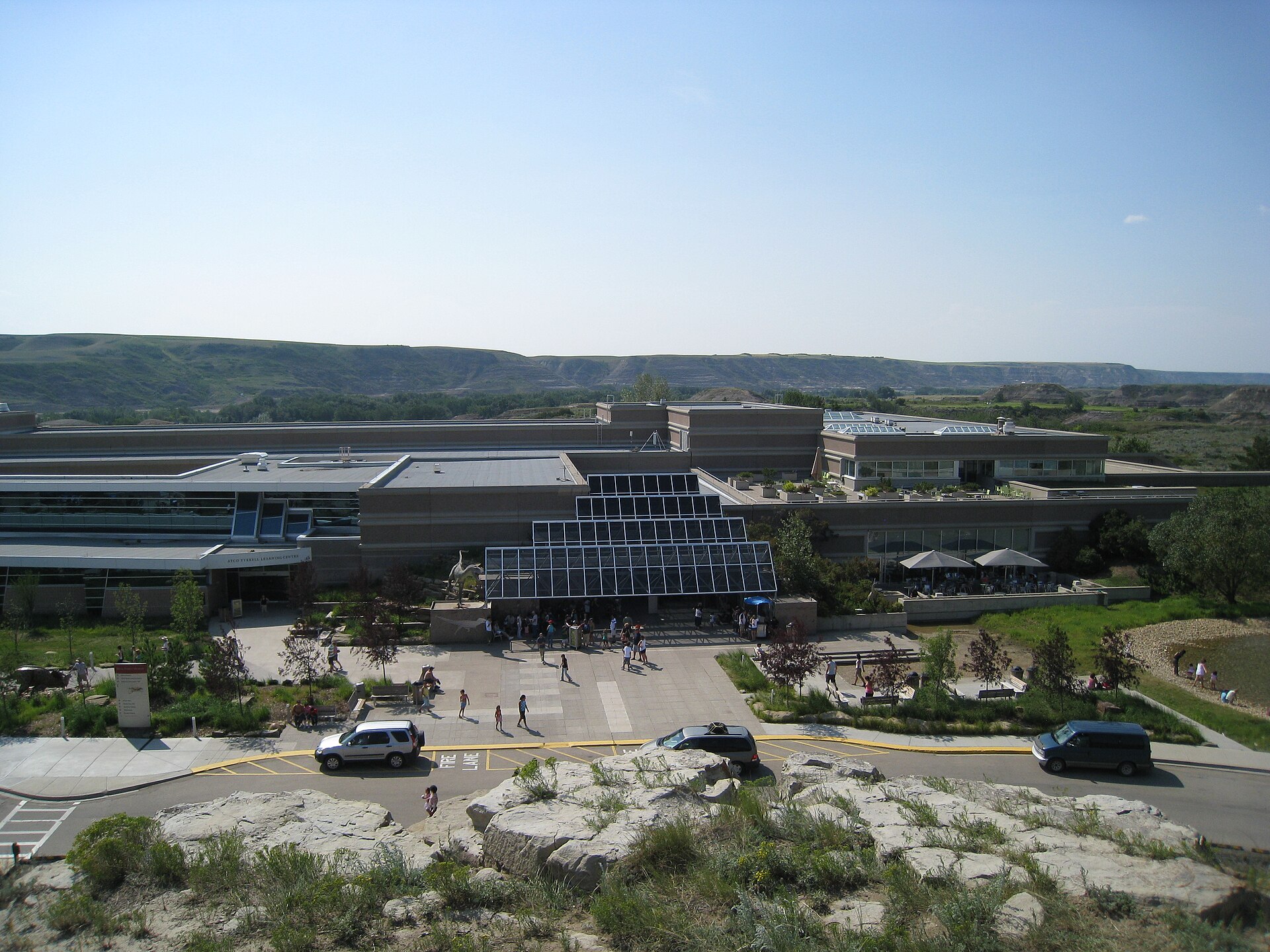
The building itself is unassuming, designed to blend into the rugged terrain rather than dominate it. Inside, the space unfolds like a journey through time, with exhibits carefully arranged to guide visitors from the earliest chapters of life on Earth to the age of dinosaurs. The displays aren’t just collections of bones—they’re narratives, each hall building on the last to paint a vivid picture of how this region once teemed with life. The focus naturally gravitates toward the Late Cretaceous, when Alberta was a subtropical paradise of swamps and forests, and dinosaurs ruled the land. The museum doesn’t just show you what these creatures looked like; it immerses you in their world.
While the towering skeleton of a Tyrannosaurus rex is the museum’s most famous resident, it’s far from the only star. Nearly complete remains of Albertosaurus, a close relative of T. rex, stand alongside other remarkable finds, like hadrosaurs with preserved skin impressions that offer rare glimpses into their appearance. One of the most fascinating sections highlights fossils from the Horseshoe Canyon Formation, where entire dinosaur graveyards have been uncovered—evidence of catastrophic events, like floods, that wiped out entire herds at once. These discoveries do more than reconstruct anatomy; they reveal behavior, social structures, and even the tragedies of prehistoric life.
What sets the Royal Tyrrell apart is its commitment to making science accessible. Behind glass walls, visitors can watch paleontologists at work, painstakingly cleaning and preparing fossils for study. The museum occasionally offers behind-the-scenes tours, where staff share the intricacies of their work—how a single bone can take months to extract from rock, or how a new species is identified from fragmentary remains. Interactive exhibits invite visitors to touch real fossils, try their hand at excavation, or piece together a skeleton like a puzzle. For kids and adults alike, these experiences turn abstract concepts into something tangible, fostering a deeper connection to the science unfolding around them.
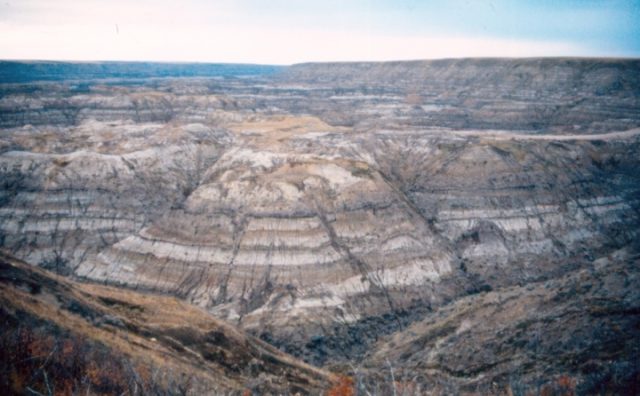
The museum’s location in Drumheller is no accident. The surrounding badlands are one of the richest sources of Late Cretaceous fossils in the world, and the landscape itself is a living exhibit. Hiking trails wind through exposed rock layers, where the earth’s history is written in stone—literally. Some paths lead to sites where famous discoveries were made, though active digs are usually off-limits to the public. Still, walking these trails feels like stepping into the past, where the same ground once shook under the footsteps of dinosaurs. The museum doesn’t just preserve fossils; it preserves the context in which they were found, making the experience feel all the more real.
Beyond its public exhibits, the Royal Tyrrell plays a crucial role in global paleontology. Its collections hold thousands of specimens, many of them one-of-a-kind finds that have reshaped scientific understanding. The museum’s research teams regularly embark on expeditions across Alberta and beyond, uncovering new species and challenging old assumptions. Some discoveries make headlines, like the unearthing of dinosaur embryos or the identification of previously unknown predators. For the scientists who work here, the museum is more than a repository—it’s a hub of discovery, where every fossil has the potential to rewrite a chapter of Earth’s history.
What makes the museum truly special is its ability to make the ancient feel immediate. It’s not just about looking at bones; it’s about understanding the world they came from. The exhibits don’t just display fossils—they tell stories of survival, extinction, and evolution, spanning hundreds of millions of years. Visitors leave with a sense of having touched something timeless, something that connects them to a past far older than humanity itself. That’s why people return, not just for new exhibits, but for the quiet awe of standing in a place where the past isn’t just remembered—it’s alive in the rocks beneath your feet.