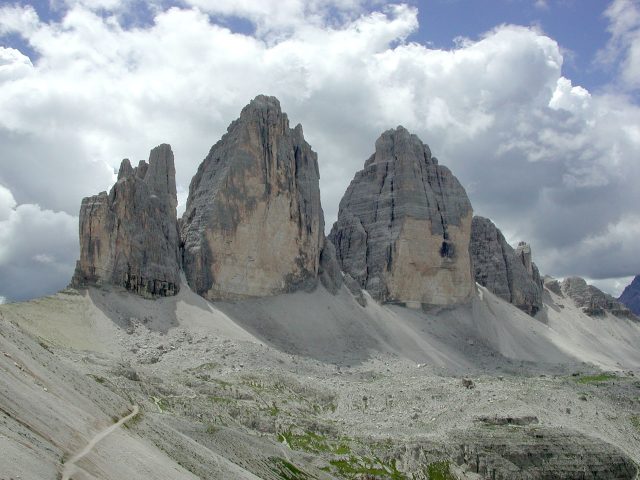
Tiziano Vecchio Square in Auronzo di Cadore is one of those places where the weight of history and the quiet rhythm of daily life seem to move in perfect harmony. Tucked away in the Dolomites, this small piazza feels like the natural heart of the town—a gathering spot where narrow cobblestone streets converge, framed by old stone houses with wooden balconies and steep, tiled roofs. The air carries the scent of freshly baked bread from nearby bakeries and the faint, earthy aroma of mountain herbs. It’s not a grand or imposing space, but its intimacy makes it feel like a second home, even to those passing through.
The square changes with the seasons, each one bringing its own character. In summer, it hums with activity—locals linger over espresso at outdoor cafés, children dart around the fountain, and visitors pause to take photographs of the church or the bronze statue of Titian, the Renaissance master who was born nearby. Winter transforms the piazza into a quiet, snow-dusted scene, though strings of lights draped between the buildings keep it from feeling deserted. The warmth of the season lingers in the glow of shop windows and the occasional laughter of people hurrying past.
Titian’s presence here is more than just symbolic. Though he was born in Pieve di Cadore, the artist’s roots in the Cadore valley run deep. As a boy, he roamed these mountains, and the landscapes of the Dolomites would later appear in his paintings, their dramatic peaks and soft light immortalized on canvas. The statue in the square is unassuming—a life-sized figure in bronze, standing as if lost in thought—but it serves as a quiet reminder of the artistic legacy that still lingers in the air. For those who know his work, the connection feels almost tangible, as if the same play of light and shadow that inspired him centuries ago still dances across the square today.
The buildings surrounding the piazza are classic examples of Alpine architecture, their design shaped by both necessity and tradition. Many date back to the 18th and 19th centuries, when Auronzo was an important trading post between Venice and the Tyrol. The ground floors are built from sturdy stone, while the upper levels feature wooden facades, their balconies often adorned with flower boxes in warmer months. The windows are narrow, framed by intricate carvings that hint at the craftsmanship of another era. Some of these houses have been in the same families for generations, their walls holding stories of the town’s past.
Dominating the square is the Church of Santa Maria Nascente, its simple facade belying the beauty within. Inside, faded frescoes and wooden sculptures tell their own quiet stories, while the tall bell tower—one of the highest in the valley—rings out across the rooftops, its chimes echoing through the surrounding mountains. The church has been a constant presence here for centuries, a place of worship and reflection that anchors the square in both time and tradition.
Life in Auronzo moves at a pace set by the seasons, and the piazza reflects that rhythm. In spring, chestnut trees bloom along the edges, their delicate flowers adding a touch of softness to the stone and wood. Summer brings street musicians, their melodies drifting through the air, or occasional markets where locals sell honey, cheese, and handmade crafts. Autumn turns the leaves gold, and the square takes on a warm, honeyed glow. By winter, the first snowfall transforms it into a scene from a postcard, though the real magic lies in the way the town adapts—festive lights, the scent of roasting chestnuts, and the quiet hum of conversation in the cafés.
For those who spend more than a day here, the piazza begins to feel familiar. The same faces appear at the same times—elderly men playing cards at the café, mothers pushing strollers past the fountain, shopkeepers sweeping the cobblestones in the early morning. Even visitors start to recognize the patterns, the way the light hits the church at dusk or how the sound of the fountain changes with the seasons. It’s the kind of place where time seems to slow down, where the simple act of sitting on a bench and watching the world go by can feel like a small revelation.
The fountain at the center of the square is more than just a decorative feature. Locals still come here to fill bottles with water, which they insist is especially pure, drawn from the mountain springs that feed the town. It’s one of those small traditions that give the piazza its character, a reminder that even in a place touched by tourism, the rhythms of daily life remain deeply rooted in the land.
For first-time visitors, Tiziano Vecchio Square is often the starting point for exploring Auronzo. From here, it’s easy to wander down to Lake Santa Croce, its deep blue waters reflecting the surrounding peaks, or to climb to one of the viewpoints that offer panoramic vistas of the Dolomites. The narrow streets branching off the piazza lead to small shops selling local crafts, from handwoven textiles to wooden carvings, each piece telling a story of the valley’s history. But more than anything, the square offers a sense of place—a quiet invitation to step into the flow of life in this corner of the Alps, where the past and present coexist so effortlessly.
There’s no need for grand declarations about Tiziano Vecchio Square. It doesn’t demand attention or seek to impress. Instead, it simply exists, as it has for centuries, as the living heart of Auronzo di Cadore—a place where history, art, and everyday life intertwine in the most unassuming way. Whether you come for the views, the history, or just the chance to sit and watch the world go by, the square has a way of making you feel like you’ve found something rare and precious, even if only for a little while.