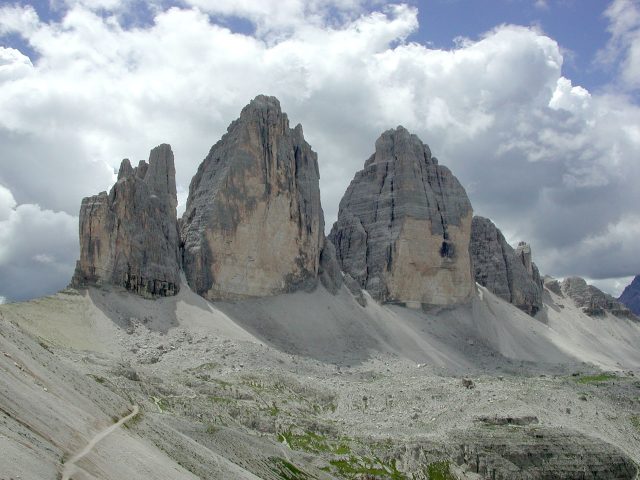
Nestled in the Dolomites, where jagged peaks give way to quiet valleys, Auronzo di Cadore feels like a place where time has settled into a slower rhythm. The Ethnographic Museum of Cadore isn’t the kind of museum you’d find in a city, with polished floors and glass cases full of artifacts labeled in neat, impersonal script. Instead, it occupies an old wooden house that seems to have grown out of the mountainside itself, its walls holding the scent of aged timber and the faint, earthy aroma of dried herbs. This is a place where history isn’t just observed—it’s felt.
Cadore isn’t just a name on a map; it’s a way of life that took shape over centuries in these highlands, where the Italian language blends with Alpine dialects and the land dictates the terms of survival. The museum exists to preserve that way of life, not as a relic of the past, but as something that still lingers in the memories of the older generation and the traditions that refuse to fade. Walking through its rooms, you begin to understand how deeply the people of Cadore depended on the land—how they shaped it, and how it shaped them in return.
The exhibits unfold like chapters of a story, each room dedicated to a different aspect of daily existence. In one, you’ll find the tools that carved out a living from the earth: axes worn smooth by generations of use, saws with teeth still sharp despite their age, and hoes that turned rocky soil into gardens. Nearby, household items tell their own tales—clay pots blackened by fire, wooden spoons worn thin at the edges, and looms that once wove wool into fabric strong enough to withstand mountain winters. The craftsmanship here isn’t just impressive; it’s humbling. Every object was made to last, not just for a season, but for a lifetime, passed down like a promise from one generation to the next.
Another room is devoted to the clothing that once defined the people of Cadore. The garments on display aren’t just practical; they’re works of art, stitched with care and adorned with patterns that speak of identity and belonging. Heavy wool cloaks, embroidered vests, and intricately woven sashes were dyed with colors drawn from the land—madder root for red, woad for blue, lichen for muted greens. These weren’t just clothes; they were a language of their own, signaling which village a person came from, their status, even their marital prospects. The wedding dresses, in particular, are striking—elaborate, yet understated, meant to be worn once and then carefully preserved, like a family heirloom.
The heart of the museum is the reconstruction of a traditional Cadore home. Stepping inside is like crossing a threshold into the past. The ceiling is low, the air thick with the scent of woodsmoke and dried herbs. A stone hearth dominates the room, its fire long cold but its presence still central to the space. The furniture is simple—rough-hewn beds stuffed with straw, a table scarred by years of use, benches that have supported countless meals and conversations. On the walls, bunches of herbs hang alongside strings of dried mushrooms and cured meats, a testament to the resourcefulness of people who wasted nothing. Outside, a small garden grows the same vegetables and herbs that have sustained families here for centuries, their leaves rustling in the mountain breeze.
But the museum isn’t just about objects; it’s about the intangible things that held communities together. The stories, the rituals, the unspoken rules that governed life in these valleys. You’ll learn about the festivals that marked the turning of the seasons—how bonfires were lit on midsummer’s eve to ward off evil spirits, how Christmas bread was baked with symbols of protection pressed into the dough. Some of these traditions still survive, especially in the more remote villages, where the old ways haven’t been entirely swallowed by modernity. It’s a reminder that history isn’t just something that happened long ago; it’s something that’s still unfolding, in small, quiet ways.
Cadore has changed, of course. The 20th century brought roads, tourism, and the slow drift of young people toward cities. Many of the old skills—weaving, blacksmithing, the art of making do with what the land provides—have faded, not because they were forgotten, but because they were no longer essential. The museum exists as a counterpoint to that loss, a place where the past isn’t just remembered but given a voice. It’s not about nostalgia for a way of life that’s gone; it’s about understanding what it meant to live in a place where every action was tied to the land, where survival was a collective effort, and where the mountains weren’t just a backdrop but a presence that shaped everything.
Visiting the museum isn’t like touring a typical exhibit. There’s a sense of informality here, as if the place is still lived in, still part of the community. You’re encouraged to touch some of the objects, to sit on the old benches, to breathe in the scent of wood and herbs. It’s an immersive experience, one that makes the past feel immediate, almost tangible. For travelers who come to Auronzo di Cadore for its hiking trails or ski slopes, the museum offers something unexpected—a chance to see the Dolomites not just as a landscape, but as a place where people have left their mark, where every ridge and valley carries the weight of history.
In the end, the Ethnographic Museum of Cadore is more than a collection of artifacts. It’s a conversation between the past and the present, a reminder that the land we walk on is layered with stories. And if you listen closely, you might hear them—the echoes of voices that once filled these rooms, the laughter of children playing in the garden, the crackle of a fire on a cold winter’s night. The mountains have always been here, but it’s the people who made them home. This museum is their story.