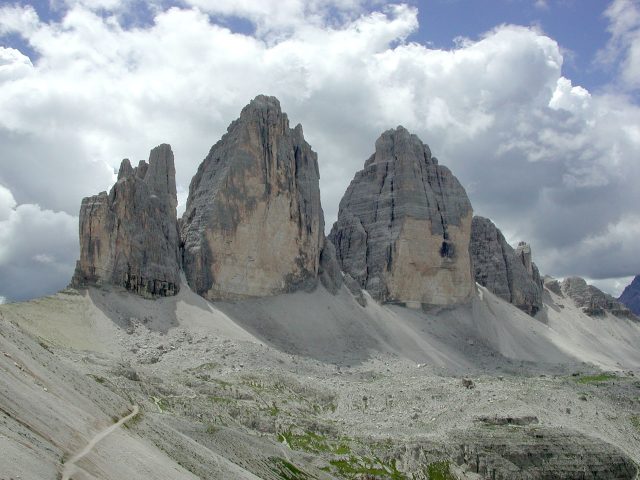
Lake Santa Caterina is one of those rare places in the Dolomites where the landscape feels deliberately arranged—each element in perfect harmony, as if nature itself had paused to compose something timeless. Tucked into the Auronzo di Cadore valley, it lies cradled by jagged peaks that mirror themselves in its still waters during summer, then vanish beneath snowdrifts when winter arrives. There are no crowds here, no souvenir stalls or chattering cafés, just the quiet rhythm of wind through the pines and the occasional ripple of a fish breaking the surface. The locals call it simply *the lake*, as though no other could possibly compare.
The history of Santa Caterina is woven into the fabric of the valley. For generations, it served as a vital water source for nearby villages, its shores used for grazing livestock. When Alpine tourism began to take shape in the 19th century, the lake became a retreat for those seeking solitude and crisp mountain air. A handful of simple shepherds’ huts were built along its edges, some of which still stand today, offering shelter to the few who choose to spend a night by the water. They’re not grand—just sturdy stone and wood, blending seamlessly into the landscape.
The lake itself is small, barely a kilometer long, with a depth that reaches twenty meters at its lowest point. But its modest size is part of its charm. Here, you don’t feel like a visitor so much as a temporary guest of the scenery. The water is remarkably clear, shifting between shades of blue depending on the light and weather. In summer, it warms just enough for a refreshing swim without the shock of icy cold, while in winter, the surface freezes into a natural skating rink, smooth and unspoiled.
The shoreline is lined with dense forests of larch and pine, their branches forming a soft border between the water and the towering mountains beyond. A narrow path circles the lake, taking about an hour or two to walk at a leisurely pace. Along the way, it opens onto small clearings where locals sometimes picnic, or where deer might appear at dawn to drink from the water. The trail is gentle, requiring no special gear, though after rain it can be slippery underfoot—sturdy shoes are a good idea.
Santa Caterina is deeply tied to the story of Auronzo di Cadore, the small town nestled a few kilometers away. Centuries ago, this valley was a crucial trade route between Venice and the Tyrol, and its people were known for their craftsmanship and pastoral skills. The lake acted as a landmark for travelers, its waters used to irrigate the surrounding fields. Today, Auronzo retains the quiet character of an Alpine village, with narrow streets, stone houses, and a few ancient churches, but it’s the untouched beauty of the surrounding landscape that draws visitors.
Beyond the lake, there are several walking routes worth exploring. One leads to the Cadore Pass, offering sweeping views of the valley below. Another takes you to the ruins of an abandoned village, where crumbling stone walls hint at a way of life long faded. These paths see far fewer travelers than the more famous trails in the Dolomites, making it easy to find solitude. Locals recommend setting out early, when the air is sharp and the first light begins to touch the peaks.
Winter transforms the lake entirely. Snow blankets the shores and the frozen surface, muffling the world in silence. The only sounds are the occasional creak of skis, the distant bark of a dog, or the groan of shifting ice. There are no ski resorts here, no lifts or crowds—just the quiet expanse of snow and sky. Some visitors bring cross-country skis, while others simply walk across the ice, taking in the stark beauty of the mountains wrapped in white. On rare occasions, locals might gather for an impromptu game of hockey, but more often than not, the lake belongs only to the wind and the trees.
This isn’t a place for those seeking excitement or luxury. There are no high-end hotels, no Michelin-starred restaurants, no bustling festivals. Instead, Santa Caterina offers something far more elusive: stillness, space, and the sense that time moves differently here. You could spend an entire day sitting on the shore with a book, watching the light play across the water, or set off on a long hike through the surrounding trails. Either way, leaving feels like saying goodbye to a quiet friend—one you know you’ll return to, sooner or later.