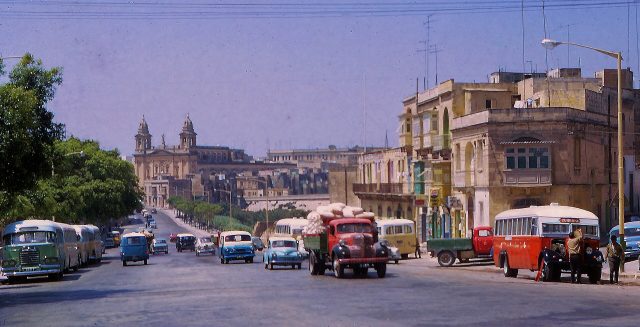
St. Ubena Square in Paola is one of those places that doesn’t demand attention at first glance but slowly reveals its quiet charm. Tucked away in the heart of this small Maltese town, it sits where narrow old streets meet the unhurried rhythm of everyday life. Unlike the tourist hubs of Valletta or Mdina, Paola feels like a place where time moves just a little slower. The square itself is modest in size, but that’s part of its appeal—it has the warmth of a familiar gathering spot, where neighbors might stop for a chat or where children play without a care.
The history of the square is deeply tied to Malta’s religious traditions. St. Ubena, the bishop it’s named after, is a revered figure on the island, though not widely known beyond it. Living in the 6th century, he’s considered one of Malta’s patron saints, and his legacy is still felt here. Occasionally, small religious festivals take place on the square, drawing locals and parishioners together. On those days, the air carries the scent of incense and freshly baked bread, while the church bells ring out in a slow, steady rhythm, inviting anyone nearby to pause and reflect.
The architecture around the square is simple. The buildings are made of pale limestone, their facades softened by wooden balconies and shutters painted in muted tones. In the center of the square, a small fountain trickles quietly, surrounded by benches. On a hot day, the sound of water offers a welcome coolness, and in the evening, the glow of streetlights reflects off the surface.
Paola is a working-class town, far from the grand palaces and ancient ruins that draw crowds elsewhere. That’s what makes St. Ubena Square special—it doesn’t exist to impress tourists. Instead, it’s a living part of the community. In the mornings, you might see elderly men playing cards at a café table, while children dart around the fountain in the afternoon. By evening, groups of young people gather near the church, their conversations blending into the quiet hum of the town.
The Church of St. Ubena, standing at the edge of the square, is another landmark. Built in the 17th century, it has been rebuilt and restored over the years, blending Baroque and neoclassical elements in its design. Inside, the walls are adorned with frescoes depicting scenes from the saint’s life, and the altar is made of marble imported from Sicily. For locals, it’s not just a place of worship but a part of their personal histories—where baptisms, weddings, and funerals have taken place for generations.
This isn’t the kind of place you visit for dramatic photos or famous stories. St. Ubena Square is for those who want to experience Malta beyond the postcard-perfect sights. There are no souvenir shops or crowded restaurants here, just the quiet rhythm of a town that goes about its business without fanfare. If you wander the side streets, you might find small shops selling homemade cheese or olive oil, or a café where regulars debate the latest news over coffee. You can sit on a bench by the fountain and watch the light play across the limestone walls, wondering how many others have done the same over the years.
Time seems to move differently here. In the summer, the shade of the trees offers relief from the heat, and the evenings are filled with the scent of blooming oleander. Winter brings a different kind of beauty—the rain deepens the warm tones of the limestone, and the square takes on a quieter mood.
Paola rarely makes it into guidebooks, and that’s just as well. There’s no need to chase after something extraordinary here—everything that matters is already present in the atmosphere. St. Ubena Square isn’t a destination in the traditional sense; it’s a place to slow down and observe. The real heart of a place often lies not in its most famous sights but in the spaces where life unfolds naturally, day after day.