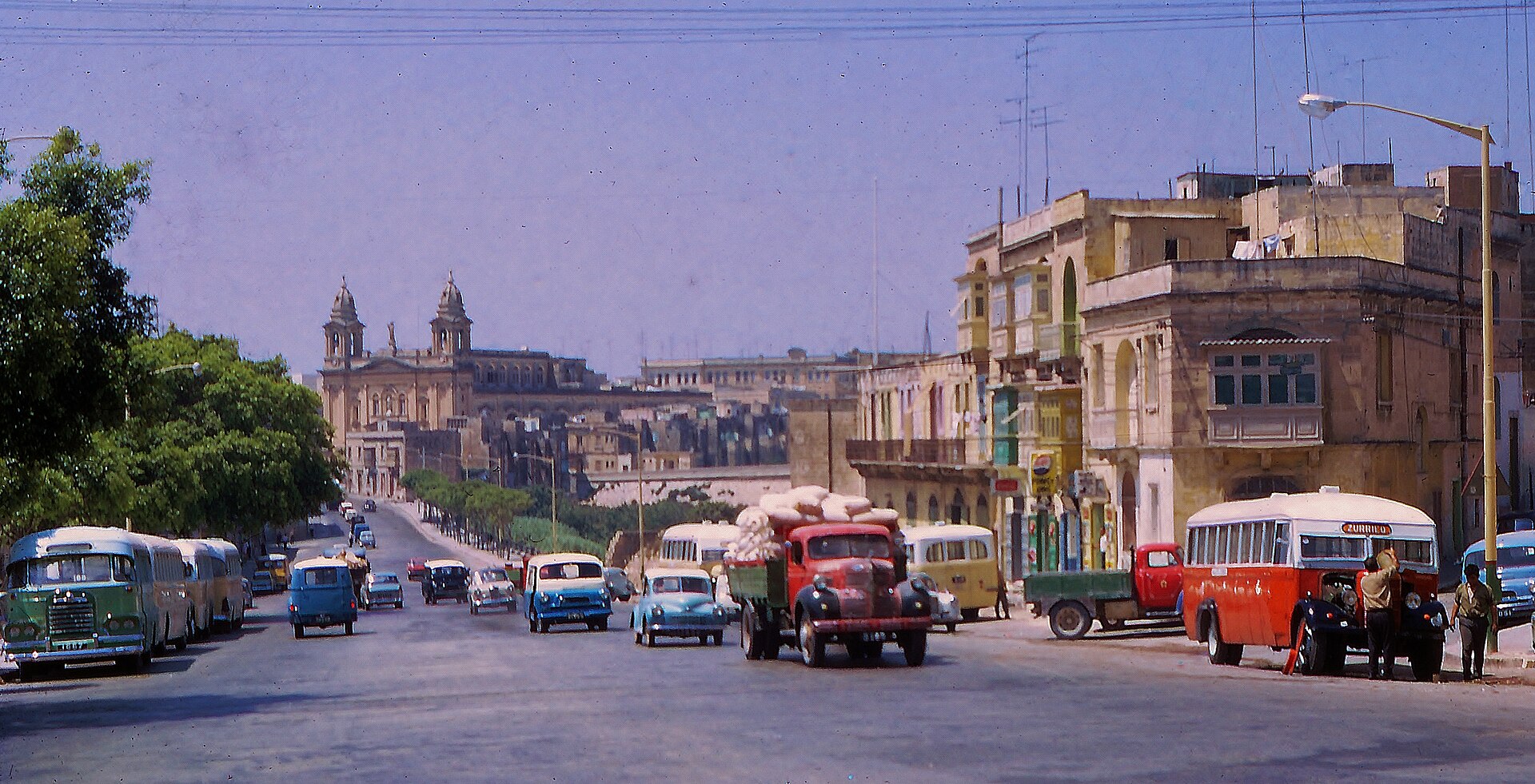
The Basilica of the Holy Trinity doesn’t demand attention. It waits for those who seek it out. The church stands in a town where life moves at its own pace, away from Malta’s famous landmarks. Paola isn’t known for ancient fortresses or coastal views. It’s a parish town, and within it lies one of Malta’s most understated churches.
The basilica was built in the mid-17th century, when the Knights Hospitaller ruled Malta. Paola was then a small settlement, and its residents attended services in nearby Tarxien. Construction began in 1626, funded by locals and the knights. The architect, Tommaso Dingli, designed a structure that later became a minor basilica.
The façade is simple. Two tiers of columns support a triangular pediment. A small balcony above the entrance was once used for public addresses. The local globigerina limestone, soft and warm, gives the building a welcoming feel when sunlight catches it.
Inside, the space feels both airy and intimate. High vaulted ceilings rest on sturdy columns. The main altar, made from the same limestone, glows when daylight filters through stained glass. The stone seems alive with the stories of those who have prayed here over centuries.
The walls hold 18th-century frescoes of Christ and the Virgin Mary. Local painters used bold lines and colors that remain bright. The icon of the Holy Trinity, brought from Rome, is considered miraculous. Every June, pilgrims gather for the annual feast.
The basilica is also a cultural hub. It hosts concerts, exhibitions, and lectures on Maltese history. Unlike churches in Valletta or Mdina, this one stays quiet. On weekdays, footsteps echo on the stone floor.
It’s a refuge from tourist crowds. In summer, the thick walls keep the interior cool. In winter, soft light warms the space. The town itself is rarely visited. Narrow streets are lined with low houses and wooden balconies. In the evenings, locals gather in the square.
This place isn’t about architecture or history alone. There are no tour groups here. No one hurries. Instead, there’s a sense of timelessness—Malta’s deeper rhythms still exist if you know where to look.
The Basilica of the Holy Trinity draws those who want more than beaches and ruins. The island’s identity runs deeper than postcard landscapes. Every stone here has a story, and in Paola, those stories continue.