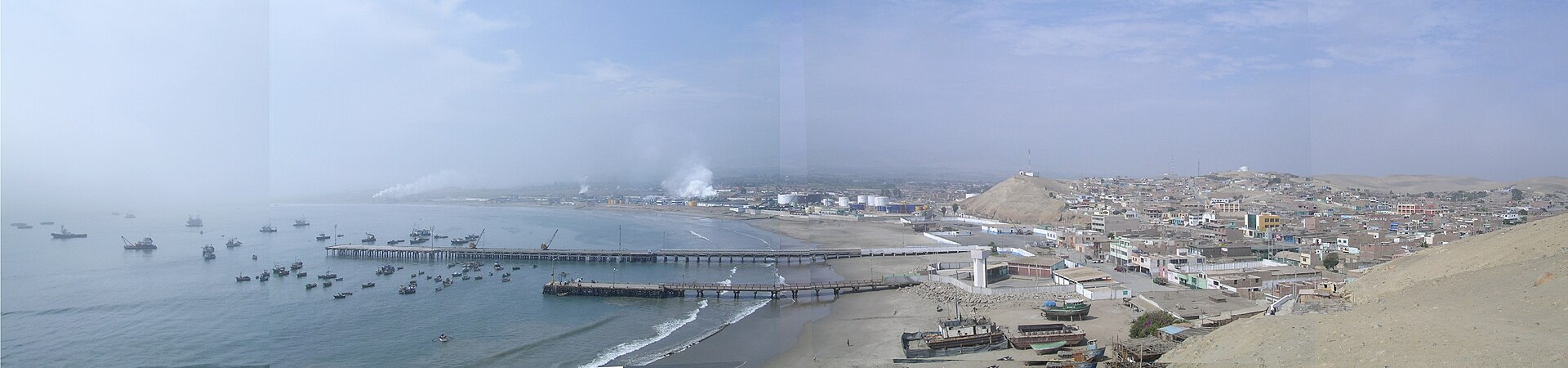
Supe Puerto’s main square doesn’t announce itself. There are no monuments or crowds of visitors, just a quiet patch of pavement where the town’s rhythm slows to match the ocean just beyond the streets. This isn’t the Peru of postcards—no Inca ruins, no tour buses. It’s the other Peru, the one that exists between the headlines.
The square is small. A few benches, a modest fountain, and a handful of trees that cast dappled shade in the afternoon. In the evenings, it fills with locals—old men playing dominoes at the wrought-iron tables, mothers watching their children chase each other across the playground, teenagers leaning against the low walls, scrolling through their phones or talking.
The buildings around the square are simple, most one or two stories tall, their facades painted in faded blues, creams, and pale greens. A few have wooden balconies with peeling paint, heavy doors with carvings, wrought-iron grilles over the windows. Supe Puerto was never an important colonial outpost. Spanish influence trickled in and left behind a few architectural habits.
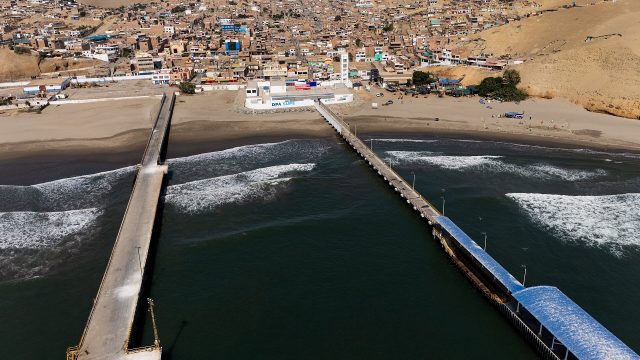
The town’s history is tied to the sea. For centuries, goods moved between the coast and the interior here. Fishermen brought in their catches, traders bartered for supplies. Today, the port is quieter. Small wooden boats head out at dawn and return by mid-morning, their hulls heavy with fish. The catch ends up at the market or in the town’s tiny eateries—ceviche made with just-caught fish, grilled sea bass with lime and chili, fried plantains. The menu is whatever the ocean provided that day.
A short walk from the square leads to the beach. A narrow strip of sand where residents escape the heat on weekends. No umbrellas, no vendors, no signs. Just the sand, the waves, and the occasional fisherman casting a line. The Pacific here isn’t always calm. Sometimes the waves crash hard against the shore. That’s part of the appeal.
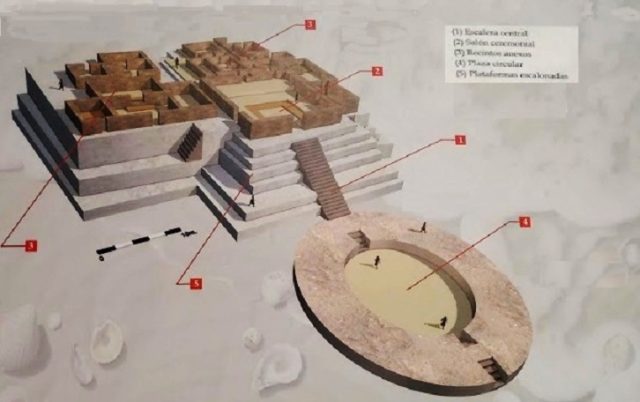
What makes Supe Puerto unusual isn’t the town itself but what lies just beyond it. A few kilometers inland, the ruins of Caral sit in the desert. Over five thousand years old, Caral is one of the oldest cities in the hemisphere. It forces you to rethink ancient civilizations—how they formed, how they traded, how they built societies. Most tourists skip it for Machu Picchu or Chan Chan. For those who visit, Caral is a revelation.
The square comes alive in the evenings when the heat of the day fades. Small cafés and food stalls open, serving anticuchos—beef heart skewers marinated in spices—and empanadas stuffed with cheese or spiced meat. Sometimes a musician plays a guitar or a cajón near the fountain. The sound carries across the square, mixing with conversation and the distant crash of waves.
There’s nothing here for the Instagram crowd. No luxury hotels, no rooftop bars, no guided tours. That’s the point. Supe Puerto is the kind of place you find when you’ve grown tired of scripted travel. It’s a town where you can sit on a bench for an hour and watch—kids kicking a soccer ball, old women gossiping on their way to the market, a stray dog trotting past.
This isn’t the Peru that makes it into guidebooks. Sometimes the most interesting parts of a country aren’t the ones that get photographed the most. Sometimes they’re just a quiet square in a small town, where the ocean sets the rhythm.