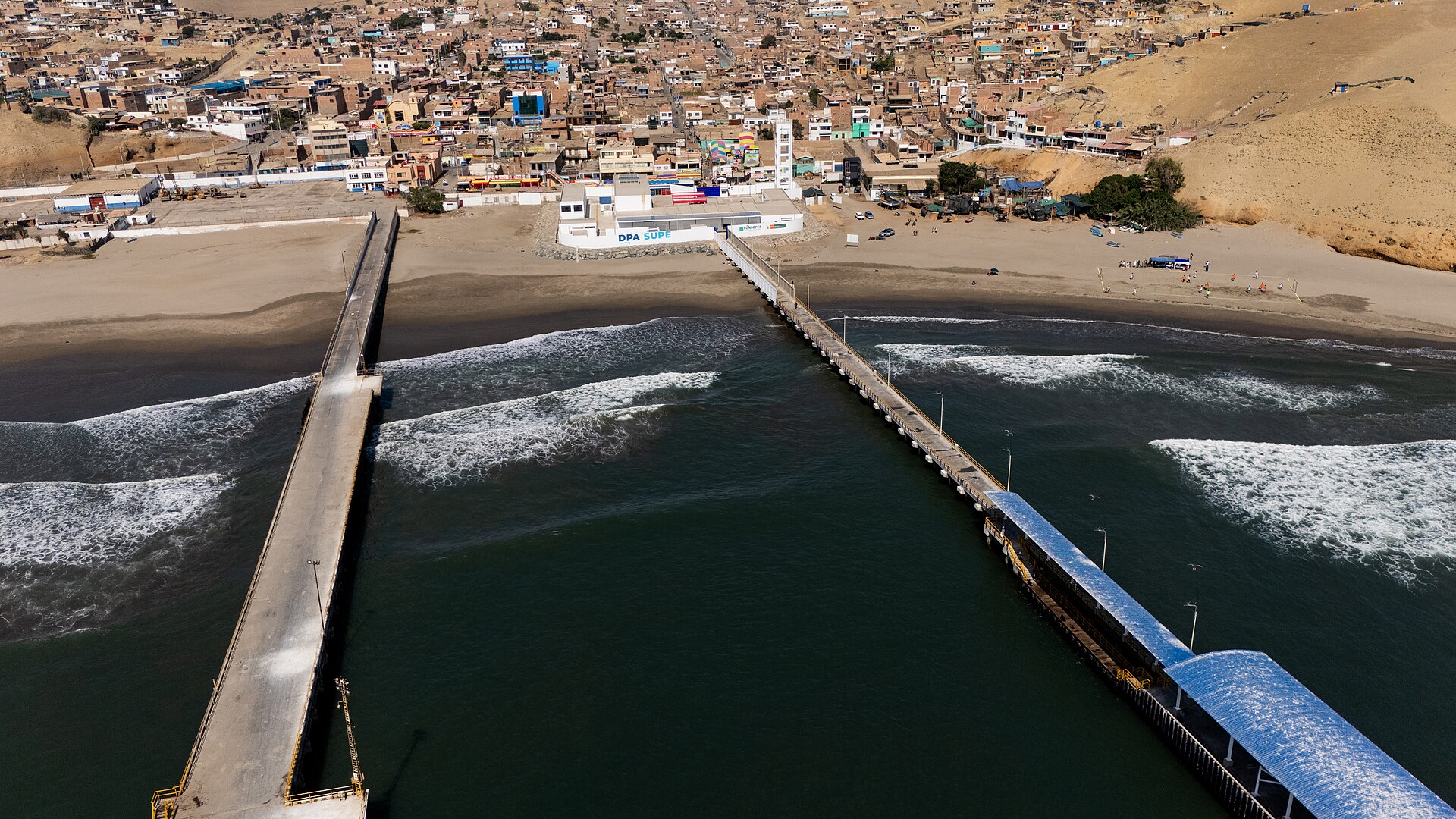
Supe Puerto is one of those quiet corners along Peru’s coastline where time seems to slow down, and the ocean stretches endlessly into the horizon. A short drive north of Lima, near the small town of Supe, it offers a retreat from the capital’s hustle without the crowds or commercialized charm of more famous beaches. There are no palm-fringed resorts here, no beachfront bars blasting music—just sand, waves, and the kind of open space that makes you remember what the coast used to be before it became a backdrop for social media photos.
Unlike the polished beaches of Máncora or Punta Sal, Supe Puerto feels wild and untouched. The sand is a mix of gray and fine pebbles, the shoreline stretching for kilometers before giving way to rocky outcrops and small coves. The water stays cool year-round, thanks to the Humboldt Current, which makes swimming invigorating but not always comfortable for long dips. That same current, though, sustains a rich marine ecosystem, drawing fishermen and anyone curious about the life beneath the waves. The ocean here isn’t just scenery—it’s a working part of the landscape, as it has been for thousands of years.
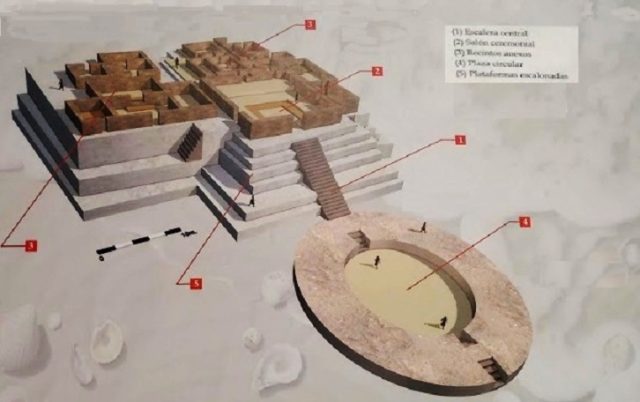
The history of this place runs deep. Just a few kilometers inland lie the ruins of Caral, one of the oldest cities in the Americas, dating back over five thousand years. It’s easy to imagine ancient coastal communities gathering here, just as locals do today, to fish and forage along the shore. Supe Puerto remains a fishing village at heart, where life still follows the rhythm of the tides. In the mornings, boats return with the day’s catch, and fishermen mend their nets by hand, a tradition passed down through generations. The ocean provides, as it always has.
There’s little in the way of grand architecture here. The houses in Supe Puerto are simple, single-story structures made of clay and wood, their flat roofs often used for drying fish. Some stand so close to the water that high tide seems to threaten them, but the locals know the ocean’s moods well enough to stay out of its way. There are no luxury hotels or seafood restaurants with ocean views, just a handful of modest eateries serving fresh ceviche or grilled fish—whatever came in that morning. The food isn’t fancy, but it’s honest, and you can taste the difference.
The atmosphere is pure Peruvian countryside—unhurried, unpretentious, and welcoming without being intrusive. Foreign tourists are rare, except for the occasional traveler seeking solitude or someone drawn by the region’s ancient history. Mostly, you’ll find fishermen, kids playing soccer on the sand, and a few surfers chasing waves that aren’t as big as those in Lima or Chicama but are all the more enjoyable for the lack of crowds. By evening, the beach empties, leaving only the sound of the surf and the stars overhead, a sight that feels increasingly rare in the modern world.
Supe Puerto isn’t a place for nightlife, shopping, or even well-maintained beach facilities. There are no sun loungers, no beach bars, no souvenir stands. That’s precisely what makes it special. It’s a place for those who want to experience Peru beyond the postcard images—the everyday Peru, where the ocean sets the rules and people live in step with the natural world. Here, you can sit on the sand, listen to the waves, and realize how little it takes to feel content: sun, sea, and silence.
If you decide to stay a few days, don’t expect European-style comforts. The guesthouses in the village are basic—simple rooms with minimal amenities, sometimes even cold water. But the trade-off is waking up to the sound of gulls and the smell of fresh bread from the local bakery, with the ocean right outside your window. There’s no tourist infrastructure, but there’s something far more valuable: authenticity.
For those who enjoy exploring, the beach can be a starting point for trips to Caral or other archaeological sites in the Supe Valley. But even if you only spend a day here, walking along the shore or lying on the sand, Supe Puerto leaves a lasting impression. It’s a place where you can disconnect, forget about time, and just be—without plans, without obligations, without the pressure to do anything at all. And perhaps that’s why it stays with you long after you’ve left.