Caral: A Glimpse into One of the Americas' Oldest Cities
Caral forces you to question what you thought you knew about ancient civilizations. Hidden in the Supe Valley, about two hundred kilometers north of Lima, this site is among the oldest urban centers in the Americas. At nearly five thousand years old, it predates ceramics, metallurgy, and writing in the region—upending assumptions about early societal development. Its age matches the Egyptian pyramids and Mesopotamian cities, yet its story remains obscure.
For decades, Caral was overlooked. Machu Picchu and the Nazca Lines drew attention instead. Excavations in the 1990s revealed a city that didn’t fit the usual narrative. No weapons, no fortifications—just a planned urban center built around trade, ritual, and community. The absence of conflict suggests a society unlike the later Inca Empire or the Nazca culture.
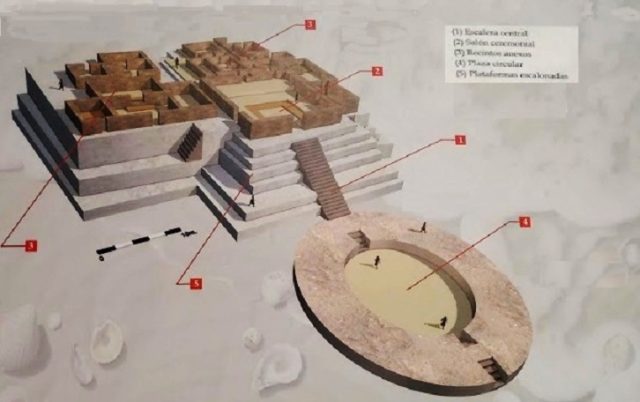
The architecture is precise and ambitious. Six pyramids dominate the site, the tallest at eighteen meters, built without mortar or advanced tools. Stones were dragged from distant quarries, reinforced with reeds and clay. Around them: residential areas, plazas, temples, and an amphitheater for rituals. The Pyramid of the Galaxy, a circular platform aligned with astronomical events, hints at the builders’ knowledge.
Caral wasn’t isolated. It connected coastal communities with the Andes and the Amazon. Evidence includes shells from Ecuador, jungle dyes, and monkey bones from tropical forests. Yet social hierarchy seems minimal. Homes of elites and commoners were similar, and pyramids served as public spaces, not royal tombs. This egalitarian structure is rare among ancient cities.
The environment shaped life here. The arid Supe Valley required irrigation for cotton, beans, and squash. The Pacific, twenty kilometers away, supplied fish and seafood. But Caral wasn’t just agricultural. Crafts thrived, music played in rituals, and some researchers suggest early record-keeping existed—though this is debated.
Today, Caral is quieter than Peru’s tourist-heavy sites. Few visitors mean you can explore the ruins almost alone. The dry air and rolling hills make the past feel close, as if the city still waits for its people.
Why did Caral decline? Around four thousand years ago, its people left. Climate change? Social upheaval? No single answer explains it. Archaeologists keep searching.
Caral isn’t about gold or spectacle. It’s about a society built on cooperation, knowledge, and respect for nature. History, it turns out, is more complicated than we think—and the past still has lessons.