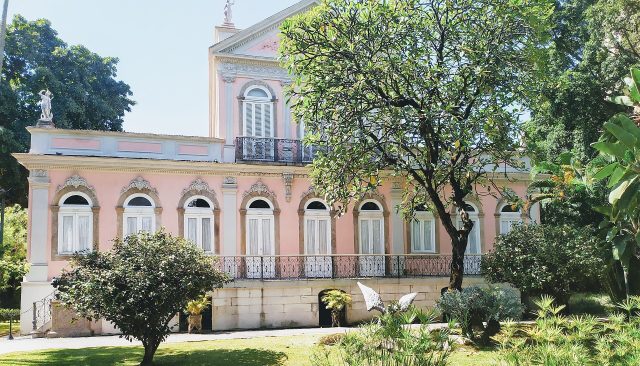
Praca São José is one of those quiet corners in Rio de Janeiro where the city’s relentless energy softens into something slower, something older. Tucked away in Jardim Botânico, a neighborhood that feels worlds apart from the tourist-packed beaches and iconic landmarks, the square offers a glimpse of daily life untouched by the usual crowds. The buildings here are modest, their facades painted in faded pastels—pinks, blues, and yellows—that hint at a mid-20th century charm. There are no souvenir stands or loud cafés, just the rustle of leaves, the occasional creak of a bench, and the unhurried rhythm of a place that has long settled into its own pace.
The square’s history is woven into the broader story of Jardim Botânico, a district that began as part of the vast estates once owned by Brazil’s imperial family. In the 19th century, these lands were home to plantations and country retreats for the aristocracy, a refuge from the bustle of the city. As Rio expanded, the area gradually transformed into a residential neighborhood, and Praca São José emerged in the early 1900s as a public space for its new inhabitants. Unlike many places in the city that have been polished for tourists or modernized beyond recognition, the square has remained largely unchanged. The trees have grown taller, some buildings have been repurposed, but the essence of the place endures.
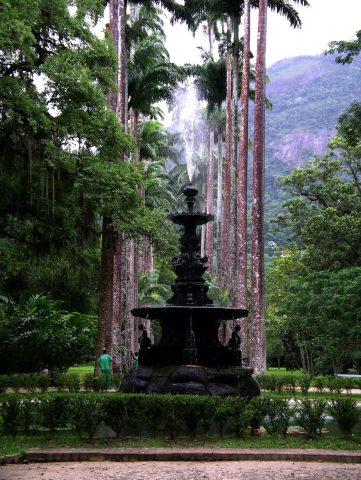
The architecture around the square is simple yet striking, a mix of colonial influences and practical design. Most of the buildings are two or three stories high, with large windows framed by wrought-iron grilles—a nod to Brazil’s colonial past. The facades often feature delicate stucco work or bold colors that lend the area a cheerful, almost festive air. At the center of the square, a small fountain surrounded by flowerbeds serves as a focal point, while palm trees and other tropical plants provide shade. There are no grand monuments or opulent mansions here, just the quiet dignity of a place that has always been more about community than spectacle.
Life on Praca São José moves at its own unhurried pace. Mornings belong to the older residents, who gather on the benches to read the newspaper, chat with neighbors, or simply watch the world go by. By afternoon, schoolchildren stream past on their way home, their laughter mixing with the sounds of the street. Evenings bring a different energy—teenagers playing soccer on the small court, families strolling under the trees, and the distant hum of Brazilian music drifting from open windows. On weekends, the square occasionally hosts small markets or live performances, but more often than not, it’s just a quiet spot where people come to unwind.
What makes Praca São José special is its role as a gathering place for the neighborhood. In a city as sprawling as Rio, such spaces are rare—places where people can come together without an agenda, where the act of being present is enough. There are no guided tours here, no Instagram-worthy backdrops, just the unspoken understanding that this is a place for locals. For cariocas, these kinds of squares are the heart of urban life, a reminder that even in a metropolis, there are still corners where time moves differently.
Rainy days in Rio are something of an event, and Praca São José takes on a particular magic when the skies open up. The pavement glistens, the leaves of the trees turn a deeper shade of green, and the air fills with the scent of wet earth. Unlike in many cities, where rain sends everyone scurrying indoors, here it’s just another part of the rhythm. People still wander the square, ducking under awnings or simply enjoying the coolness, and the place feels even more intimate, as if the rain has washed away the noise of the city and left only the quiet hum of life.
Over the years, Jardim Botânico has become one of Rio’s more desirable neighborhoods, and small cafés, bakeries, and shops have sprung up around the square. Yet Praca São José has resisted the kind of gentrification that might have erased its character. There are no trendy bistros or designer boutiques here, just unpretentious spots where you can grab a coffee or a fresh loaf of bread. It’s a place for those who appreciate the genuine over the glossy, where the focus is on the simple pleasures of daily life. Perhaps that’s why the square remains a favorite meeting spot for longtime residents, a constant in a neighborhood that has otherwise evolved.
For visitors who make the effort to find it, Praca São José might seem unremarkable at first glance. There are no sweeping views, no grand historical landmarks, nothing that would justify a detour across the city. But that’s precisely what makes it worth visiting. This isn’t a place for postcards or selfies; it’s a place to experience Rio as it really is—not the carnival version or the tourist brochure ideal, but the city as it exists day to day, lived in and loved by those who call it home. Sometimes, the most memorable discoveries are the ones that catch you by surprise, in places you never expected to find them.