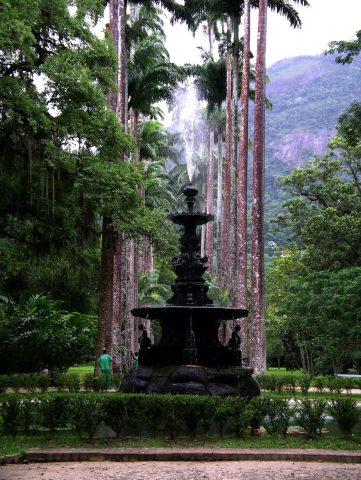
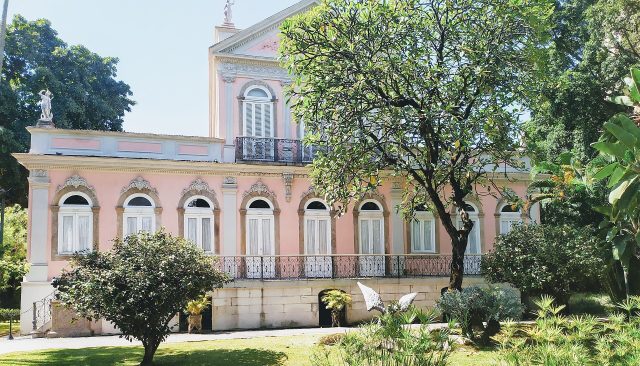
Saint Joseph’s Church in Rio de Janeiro is the kind of place that doesn’t demand attention but lingers in memory long after you’ve left. Tucked away in Jardim Botânico, a neighborhood where streets are shaded by towering trees and the air carries the scent of damp earth and tropical blooms, it feels like a quiet refuge from the city’s relentless energy. This isn’t a landmark that draws crowds or makes it onto postcards. Instead, it exists as part of the everyday rhythm of the area, a place where time seems to move just a little slower than it does elsewhere in Rio.
The church’s history is woven into the broader story of the city’s growth. Built in the early 20th century, when Rio was expanding rapidly and reshaping itself into Brazil’s modern capital, it emerged during a time of transformation. Jardim Botânico was one of those neighborhoods where the old and the new coexisted—former farms and estates giving way to urban development, yet retaining a sense of tranquility. Saint Joseph’s was constructed to serve a community seeking solace in a world that was changing too quickly. The architect behind it remains largely unknown, but the design reflects a thoughtful balance between neoclassical influences and local sensibilities, creating a space that feels both timeless and grounded.
From the outside, the church is unassuming but striking in its simplicity. Its whitewashed facade softens under the Brazilian sun, while tall arched windows allow light to filter in gently, casting a warm glow inside. The bell tower, though not particularly tall, stands out against the skyline, especially at dusk when the sun dips behind the Tijuca hills. Inside, the space feels airy and expansive, with high ceilings supported by columns and wooden pews that add a sense of warmth. The marble altar gleams under the natural light, but there’s no excess here—no gilded ornamentation or grand flourishes. That restraint is what makes the church feel so intimate, almost personal.
For the people of Jardim Botânico, Saint Joseph’s is more than just a place of worship. On Sundays, the pews fill with locals and visitors alike, drawn by the quiet solemnity of the services. Weekdays bring smaller gatherings—weddings, baptisms, moments of celebration that feel understated and deeply personal. Occasionally, the church hosts concerts of sacred music, the sound of the organ or a choir filling the space and momentarily drowning out the hum of the city beyond its walls. For many families, the church is tied to generations of memories: children baptized here, parents married within its walls, grandchildren now following in their footsteps.
Jardim Botânico itself is a neighborhood that moves at its own pace. There are no beaches like Copacabana or the luxury hotels of Ipanema, but there’s something equally compelling about its quiet streets and lush greenery. The Botanical Garden nearby draws visitors, but the rest of the area feels like a well-kept secret, a place where life unfolds without fanfare. Saint Joseph’s fits seamlessly into this landscape, as if it has always been here. It sits on a small square surrounded by trees, a spot where the heat of a Rio summer is tempered by shade, and where the cooler months bring a softer light that highlights the church’s white facade.
For travelers who venture beyond the usual tourist trail, Saint Joseph’s offers a different kind of experience. This isn’t the Rio of carnival or beachside bars, but the city as it exists in the quiet moments between the spectacle. There are no lines, no souvenir stalls, just the stillness of the interior and the sense that you’ve stepped into a space that exists outside of time. You could sit on a bench outside, watching the neighborhood go about its day, or step inside to light a candle and gather your thoughts. Either way, it’s a place that invites reflection, a pause in a city that rarely slows down.
The church doesn’t claim to be Rio’s most iconic landmark, and that’s precisely why it feels so authentic. It doesn’t need to impress or dazzle; it simply exists, a quiet witness to the lives of those who pass through its doors. In a city that thrives on energy and movement, places like this are rare. They remind you that even in the heart of a bustling metropolis, there are corners where you can find stillness, where the noise of the world fades into the background.
If you ever find yourself in Jardim Botânico, take a moment to visit Saint Joseph’s. It might not be the reason you came to Rio, but it could end up being one of the places that stays with you. Here, you’ll find the city as it truly is—not the version sold in brochures, but the one that lives in the quiet, unguarded moments. A place where the air feels a little softer, the light a little kinder, and the world, just for a while, feels a little more at peace.