Laje Park is one of those quiet corners of Rio de Janeiro where nature and city life coexist without fanfare. Tucked away in the Jardim Botânico neighborhood, it doesn’t draw the same crowds as Copacabana Beach or Tijuca Forest, and that’s precisely what makes it special. There are no tourist traps here, just shaded paths, towering trees, and the sense that time moves a little slower. The park became part of the city’s landscape in the mid-20th century, when Rio was expanding rapidly, absorbing surrounding areas and creating public spaces where residents could escape the urban rush.
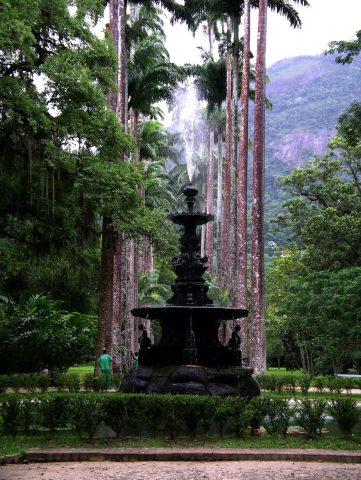
The park’s landscape is modest in scale but rich in atmosphere. Gentle hills covered in tropical vegetation give way to open lawns where locals spread out picnic blankets or settle in with a book. Along the winding paths, palm trees and ficus stand tall, remnants of the Atlantic Forest that once blanketed much of Brazil’s coastline. During the rainy season, the park is lush and vibrant, the air thick with the scent of damp earth and foliage. In the drier months, from May to September, the greenery fades slightly, but bursts of flowering plants attract butterflies and birds, adding splashes of color to the scene.
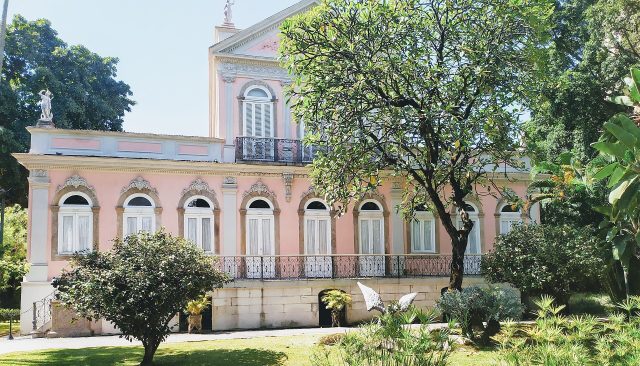
The architecture here is understated and practical. There are no grand fountains or monumental sculptures—just a small pavilion built in the mid-1900s, when modernism was beginning to shape Brazil’s urban spaces. Its clean lines and large windows reflect the era’s emphasis on simplicity and functionality. Nearby, playgrounds, sports areas, and benches cater to everyday life. On weekends, the park buzzes with activity: families with children, teenagers playing soccer, and elderly couples strolling along the paths. It’s a place that serves its community first, not tourists.
Laje Park is deeply tied to the history of Jardim Botânico, a neighborhood that was once part of a larger rural area dotted with farms and small settlements. By the early 20th century, the first residential blocks began to appear, and by mid-century, the area had been absorbed into Rio’s urban fabric. The park emerged as a response to the city’s growing need for green spaces, and its role has only expanded since. Today, it acts as a buffer between dense urban development and the pockets of nature that still survive in the surrounding hills.
For locals, Laje Park is more than just a patch of greenery—it’s woven into daily life. Neighbors meet here for morning walks, dog owners let their pets roam, and impromptu gatherings happen on the benches. Unlike the city’s tourist hotspots, which often feel like they exist in a bubble, this park moves to the rhythm of the neighborhood. Mornings bring joggers and commuters, afternoons see parents with strollers, and evenings draw groups of friends chatting under the trees. There’s no pretension here, just a sense of ease that makes the park feel like home.
Despite its unassuming size, Laje Park plays a quiet but important role in Rio’s ecological balance. It provides a refuge for birds and small animals, offering a slice of habitat amid the concrete. In recent years, the city has placed greater emphasis on preserving green spaces, and Laje Park has benefited from reforestation efforts and community initiatives to keep it clean and safe. It’s not a nature reserve, but even a small urban park can make a difference—cooling the air, filtering pollution, and offering a respite from the city’s relentless pace.
Visiting Laje Park is a chance to see Rio beyond the postcard images. There are no sweeping ocean views or iconic landmarks like Sugarloaf Mountain, but there’s something just as valuable: a glimpse of how the city lives when no one’s watching. You can come here in the morning, grab a coffee from a nearby café, and sit on a bench, watching the neighborhood wake up. Or wander the paths, listening to the rustle of leaves and the calls of birds. The park has no rigid rules or schedules—it’s always open, and everyone finds their own way to enjoy it.
As Rio grapples with the pressures of urbanization, places like Laje Park become even more vital. They remind us that a city isn’t just steel and pavement—it’s also trees, open space, and places where people can breathe. The park may not be Rio’s most famous landmark, but it’s in these unassuming corners that the city’s true character often reveals itself. There’s nothing staged or artificial here, just nature, people, and the quiet passage of time.