The Botanical Garden of Rio de Janeiro is one of those rare places where nature and history intertwine so seamlessly that time seems to slow down. Nestled in the Jardim Botânico neighborhood, it’s more than just a green escape in the heart of a bustling city—it’s a living archive of Brazil’s colonial past, scientific legacy, and extraordinary biodiversity. Founded in the early 19th century by Prince Regent João VI, who sought refuge in Brazil during the Napoleonic Wars, the garden was originally conceived as a place to acclimate plants brought from other tropical colonies. Today, it remains both a center for research and a tranquil retreat where visitors can wander among ancient trees, listen to birdsong, and momentarily forget the city’s relentless pace.
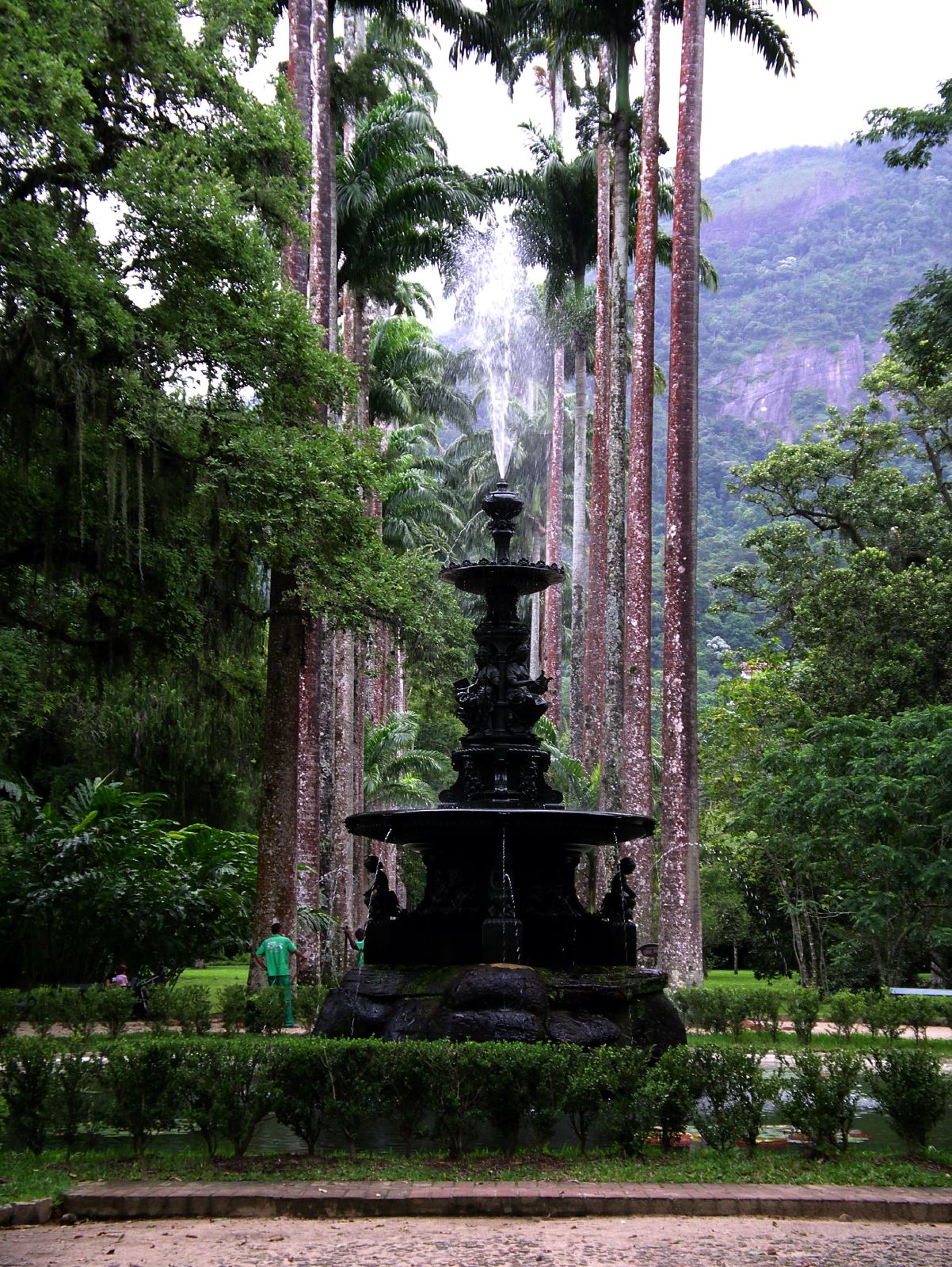
The garden’s layout reflects a blend of European design and Brazilian spontaneity. Unlike the rigid symmetry of French formal gardens or the carefully crafted wildness of English landscapes, this place feels organic, as if nature had been gently guided rather than forced into shape. The most striking feature is the grand avenue lined with towering imperial palms, planted in 1809, which leads to an old fountain where scientists and explorers once gathered to discuss newly discovered plant species. These palms have become an iconic symbol of the garden, their silhouettes instantly recognizable against the Rio sky.
Covering around 140 hectares, the garden is home to over six thousand plant species, many of them native to Brazil. The collections of orchids, bromeliads, and cacti are particularly impressive, showcasing the country’s incredible floral diversity. Inside the greenhouses, rare tropical plants thrive, while in the open areas, giant water lilies with leaves spanning nearly two meters float on tranquil ponds. Even those with no particular interest in botany will find something to marvel at—the cacao tree, whose seeds give us chocolate, or the Brazil nut tree, with its peculiar, hard-shelled fruits. The garden isn’t just a showcase of plants; it’s a living classroom where every path reveals something unexpected.
Beyond its botanical wonders, the garden plays a vital role in preserving local wildlife. Dozens of bird species, including toucans and parrots, make their home here, while monkeys, lizards, and small mammals can often be spotted among the trees. Ponds teem with turtles and fish, and if you’re lucky, you might even catch a glimpse of a chameleon blending into the foliage. The atmosphere is one of quiet discovery, inviting visitors to slow down, observe, and perhaps even enjoy a picnic on one of the designated lawns. On weekends, the garden fills with families, students sketching in notebooks, and travelers seeking a moment of peace away from the city’s chaos.
The garden’s history is deeply tied to Brazil’s scientific development. In the 19th century, it became one of the country’s first institutions dedicated to studying tropical flora and fauna. Renowned botanists worked here, and its collections grew through expeditions into the Amazon and other regions. Though it faced decline in the early 20th century, it was revived mid-century and reopened to the public. Today, it houses a research institute focused on biodiversity conservation, along with educational programs for schools and universities. The garden isn’t just a relic of the past; it’s an active participant in shaping Brazil’s environmental future.
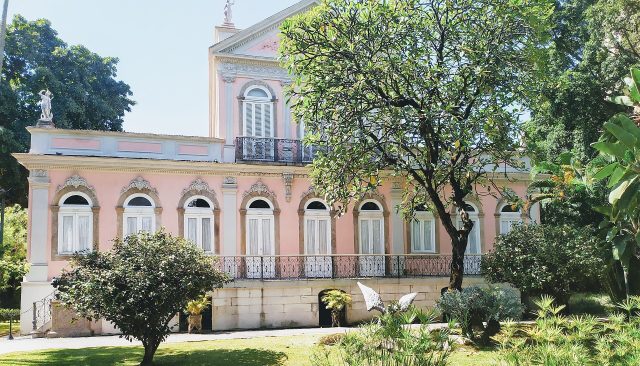
The architecture within the garden is as compelling as its plant life. Tucked among the greenery are colonial-era buildings with whitewashed walls and terracotta roofs, their simple elegance a nod to the past. One of these structures was once the director’s residence and now serves as a museum, detailing the garden’s history and its contributions to Brazilian science. Another holds a library of rare botanical texts, while a small 19th-century chapel features faded frescoes that hint at the garden’s long-standing connection to both science and spirituality. These buildings add depth to the experience, reminding visitors that this place has always been more than just a park.
For many Cariocas, as Rio’s residents are known, the Botanical Garden is more than a tourist attraction—it’s a part of daily life. Couples often choose its scenic paths for wedding photos, while open-air concerts fill the air with classical music on balmy evenings. Filmmakers have used its lush settings as backdrops, and locals flock here on hot days to escape the sun’s intensity. In the evenings, the garden becomes a favorite spot for romantic strolls. Despite its popularity, it never feels crowded; even on busy days, there’s always a quiet corner to be found.
Visiting the Botanical Garden offers a different perspective on Brazil. Here, there are no crowded beaches or the vibrant energy of Ipanema—just the quiet beauty of nature and a chance to connect with the country’s history. The garden serves as a reminder that Brazil is more than just carnival and football; it’s a land of extraordinary biodiversity, scientific achievement, and places where time seems to stand still. A walk through its paths is like stepping into another era, where each turn reveals something new—a rare plant, a historic building, or simply the rare pleasure of silence in a city that’s always on the move.