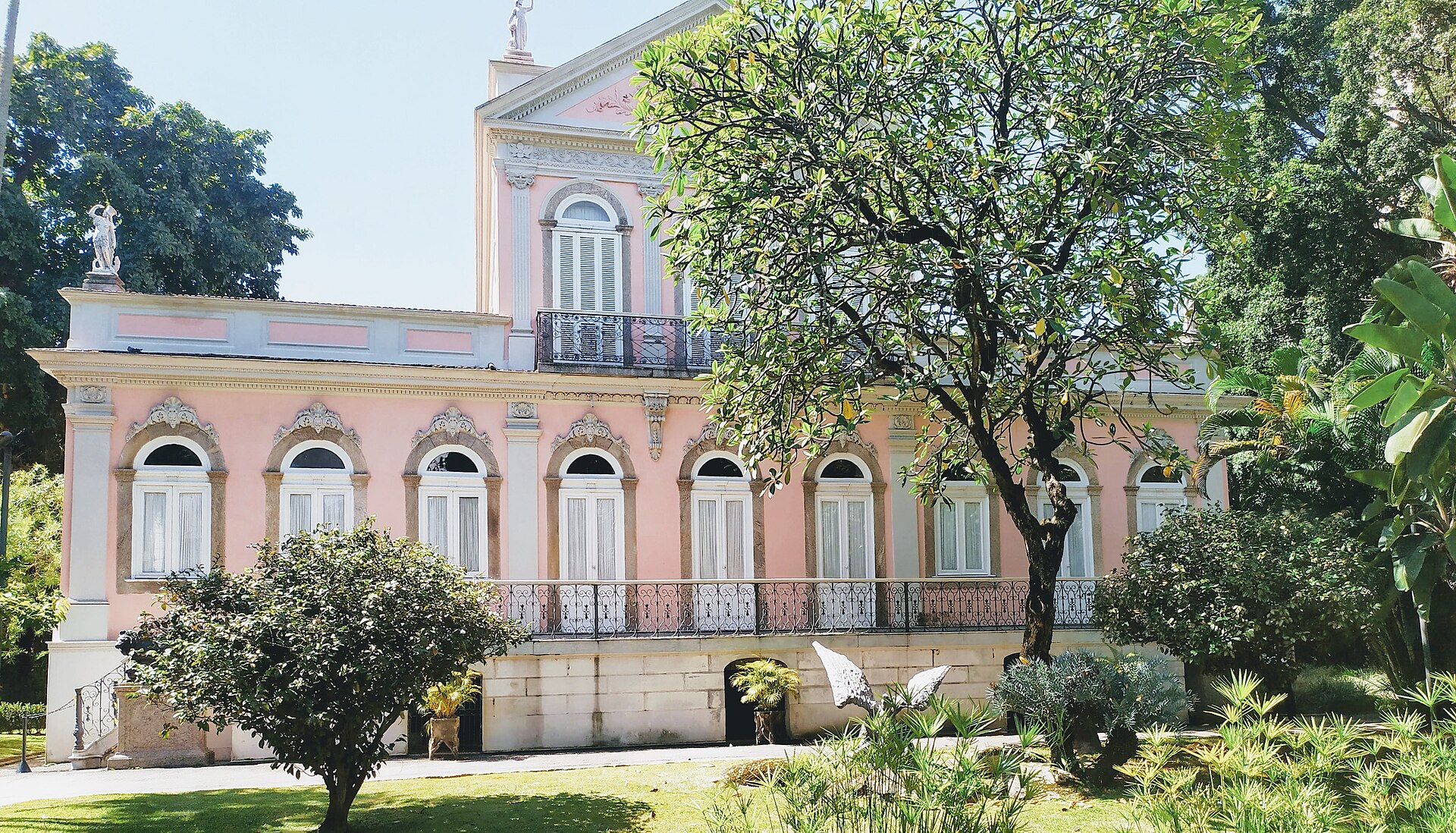
The Rui Barbosa House Museum is one of those rare places where history feels alive, not just preserved. Tucked away in Rio de Janeiro’s Jardim Botânico neighborhood, this was once the home of one of Brazil’s most influential figures—a man whose ideas shaped the nation during a time of profound change. Rui Barbosa was a jurist, diplomat, writer, and politician whose work left an indelible mark on Brazil’s transition from empire to republic. His house, built in the late 1890s, was more than a private residence; it was a gathering place for intellectuals, artists, and political thinkers who debated the future of the country within its walls.
The architecture of the house reflects the eclectic tastes of its time, blending neoclassical elements with the colonial traditions of Brazil. High ceilings, large windows framed in carved wood, and spacious verandas give the rooms an airy, open feel. Inside, the original details remain intact: marble fireplaces, parquet floors, and intricate plasterwork on the ceilings. The library is perhaps the most striking space, where Barbosa spent countless hours working. Thousands of books line the shelves, many of them collected by him personally, alongside his desk, chair, and even his eyeglasses—objects that make his presence almost tangible.
But the museum is more than a tribute to one man. It offers a window into an era when Brazil was redefining itself. The late 19th and early 20th centuries were a period of upheaval: slavery was abolished, the republic was declared, and new political institutions were formed. Barbosa’s home was a hub for the thinkers and leaders who navigated these changes. Writers, scientists, and politicians gathered here, their conversations shaping the nation’s trajectory. Walking through the rooms, it’s easy to imagine the lively debates that once filled the air—discussions about democracy, law, and the role of Brazil in the world.
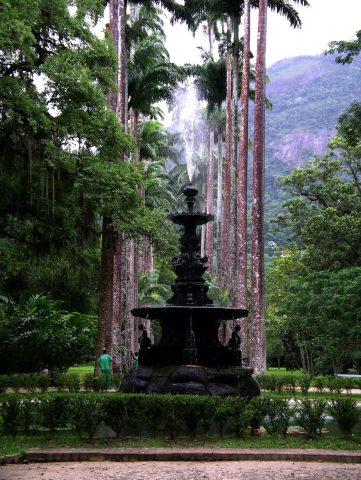
The garden surrounding the house is a quiet masterpiece in its own right. Designed by Barbosa and his wife, Maria Augusta, it has been carefully maintained to reflect its original design. Rare trees and shrubs, some brought from distant corners of the globe, create a lush, shaded retreat. Stone pathways wind past small gazebos and fountains, offering a sense of seclusion. On hot Rio days, the garden is a refuge, its cool shade a welcome escape from the city’s hustle. Locals sometimes come just to sit on a bench, while visitors pause to catch their breath before continuing their exploration.
The museum’s exhibits go beyond personal artifacts to tell a broader story. Letters, photographs, and documents reveal Barbosa’s multifaceted life—his legal work, his diplomatic missions, and his role as a public intellectual. One of the most compelling sections focuses on the 1907 Hague Peace Conference, where Barbosa represented Brazil and championed the principles of international law. His eloquent speeches earned him the nickname "The Eagle of The Hague," a testament to his global influence. Manuscripts of his speeches, newspaper articles he wrote, and items from his diplomatic career are displayed with care, offering insight into the mind of a man who believed in the power of ideas.
Today, the Rui Barbosa House Museum is more than a historical site; it’s a living cultural space. The house hosts exhibitions, lectures, classical music concerts, and literary events, keeping its intellectual spirit alive. Occasionally, the garden becomes a stage for small theatrical performances or poetry readings. For those interested in Brazilian history, guided tours provide deeper context, sharing lesser-known stories about Barbosa’s relationships, his views on art, and his place in the cultural life of Rio. The guides have a way of making the past feel immediate, as if the conversations that once took place here are still echoing in the rooms.
There’s something disarming about the way the house welcomes visitors. It doesn’t feel like a museum in the traditional sense—more like a home where the past and present coexist. Perhaps that’s because Barbosa himself was a man of many passions. He loved music, collected art, and even wrote poetry. The house retains a sense of warmth and curiosity, as if the spirit of its former owner still lingers in the details: the books on the shelves, the papers on the desk, the quiet corners of the garden where he might have paused to think.
In a city as vibrant and chaotic as Rio, the Rui Barbosa House Museum offers a rare moment of stillness. It’s not on the typical tourist path, which means it’s often quiet, a place where you can wander without crowds. That makes it ideal for anyone who wants to engage with history on a deeper level. Walking through the rooms, reading old letters, or sitting in the garden, you begin to see Brazil’s past in a new light. There’s no grandiosity here, just a quiet respect for the legacy of a man who helped shape the nation—and a house that still feels like a home.