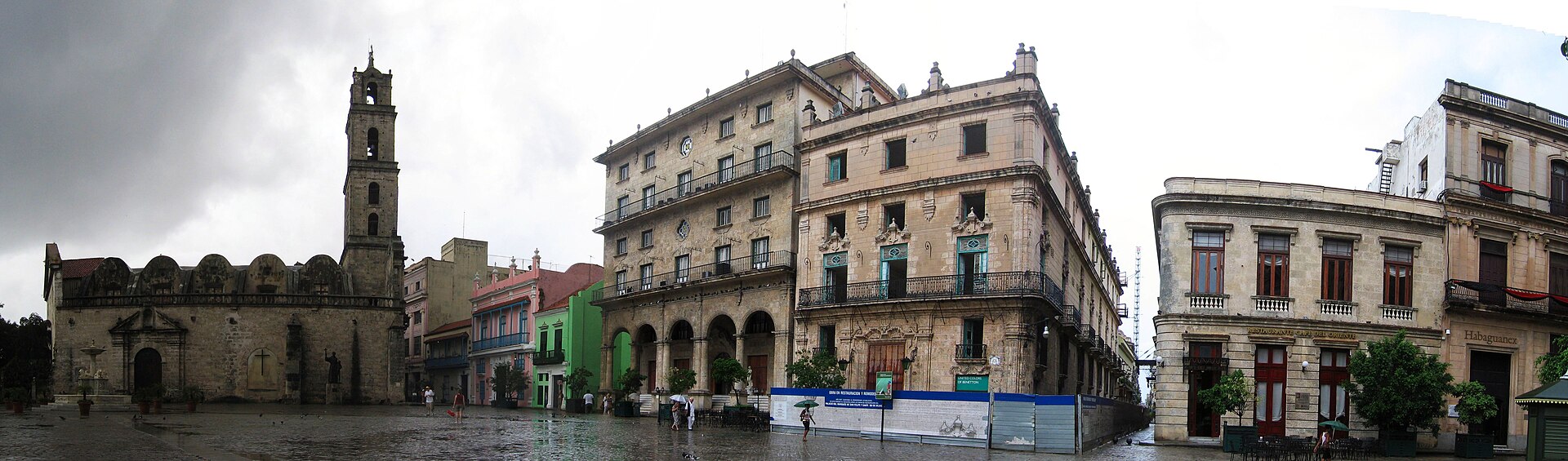
Plaza de San Francisco in Old Havana is one of those rare places where time seems to slow just enough to let you catch your breath. The square has stood here since the 16th century, when Havana was still finding its footing as a crucial hub of the Spanish Empire. Back then, it was more than just a gathering spot—it was the starting point for galleons laden with New World treasures, a place where merchants haggled, sailors swapped stories, and the city’s pulse beat strongest. Today, the square is quieter, but the echoes of that bustling past linger in the worn cobblestones and the salt-tinged air.
At the heart of the plaza stands the Fuente de los Leones, a fountain gifted to the city in the late 19th century. Its four marble lions, symbols of strength and grandeur, now watch over the square with a kind of weary dignity. They’ve seen everything—the rise and fall of empires, the ebb and flow of trade, the endless stream of visitors who pause to take their photo before moving on. Around the fountain, life unfolds in its usual rhythm: street musicians strumming boleros, vendors hawking handmade trinkets, and locals chatting on benches. It’s the kind of place where you might meet a friend or simply sit for a while, letting the afternoon slip by.
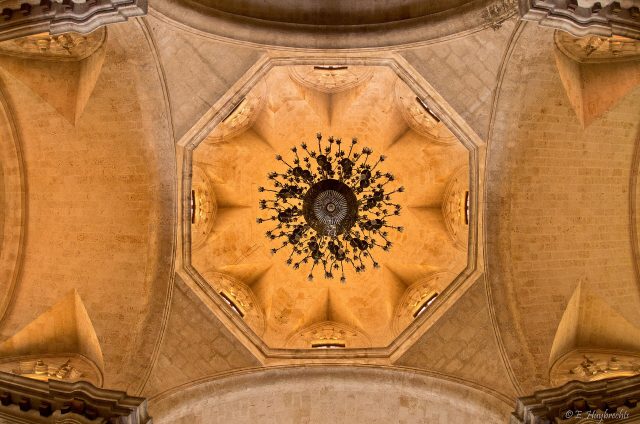
On one side of the square, the Basílica Menor de San Francisco de Asís looms over the scene. Built in the 17th century, its sturdy walls and restrained facade are classic examples of colonial architecture, blending Baroque flourishes with neoclassical simplicity. Inside, the basilica is more understated than its exterior suggests—high vaulted ceilings, wooden pews, and a handful of old paintings. These days, it doubles as a concert hall, hosting classical music performances, and a museum of religious art. The sound of its bells ringing out over the plaza is one of Old Havana’s most familiar sounds, marking the hours like a steady heartbeat.
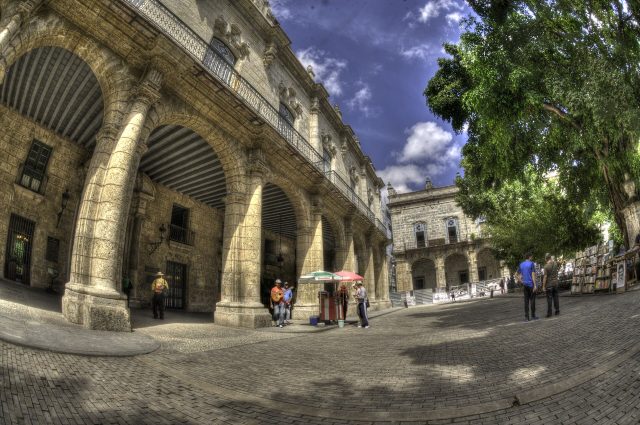
Across from the basilica, the old customs house stands as a reminder of the city’s mercantile past. Once the nerve center of Havana’s trade, it now houses a museum, though its real draw is the building itself. Thick walls, heavy doors, and narrow windows speak to an era when fortifications were as important as aesthetics. Nearby, the old warehouses that once stored tobacco, rum, and other goods bound for Europe still line the streets, their weathered facades telling silent stories of the city’s golden age of commerce.
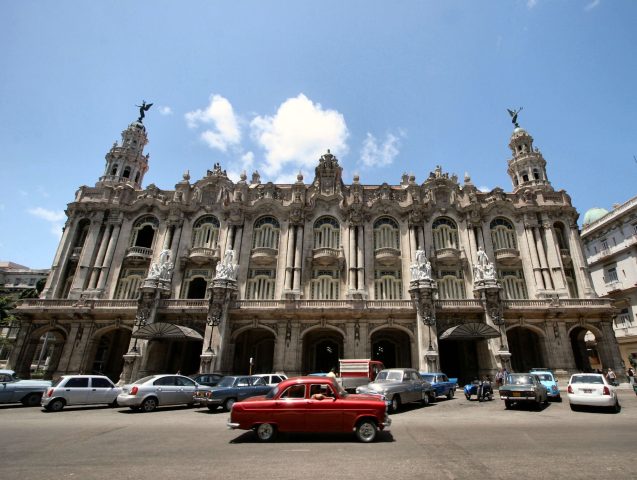
What makes Plaza de San Francisco special is how seamlessly it blends into the fabric of everyday life. It’s not a museum piece, frozen in time, but a place where history and modernity coexist. In the mornings, vendors set up stalls selling fresh fruit and strong Cuban coffee, while in the evenings, the square transforms into an open-air stage for musicians and dancers. On weekends, families gather here, children chase each other around the fountain, and old men play dominoes in the shade. During the week, the plaza fills with students and office workers hurrying past, their voices mixing with the clatter of horse-drawn carriages and the occasional honk of a vintage car.
The square has a way of feeling lived-in, even a little rough around the edges. There’s no glossy restoration here, no attempt to sanitize the past. The buildings bear the marks of time—peeling paint, crumbling plaster, the occasional bullet hole from revolutionary battles—and that’s part of the charm. Tourists expecting a postcard-perfect scene might be surprised, but those who stay awhile begin to understand that this is the real Havana, not a stage set. The plaza doesn’t try to impress; it simply exists, as it has for centuries, absorbing the rhythms of the city around it.
Walking through Plaza de San Francisco, you can’t help but notice how the layers of history overlap. Colonial-era buildings stand shoulder to shoulder with 19th-century structures, and the walls of some houses still bear the scars of past conflicts. In one corner, a band might be playing cha-cha-cha, while in another, a vendor sells vintage rum bottles from the Prohibition era. It’s a place where the past isn’t confined to history books—it’s right there, in the air, in the stones underfoot, in the way people move through the space.
If you want to experience the soul of Old Havana, the best time to visit is early in the morning, before the crowds arrive. The air is cool, scented with coffee and fresh bread, and the first light of dawn softens the edges of the buildings. You can grab a seat on one of the benches near the fountain and watch the city wake up: shopkeepers unlocking their doors, street sweepers clearing the cobblestones, locals making their way to work. In those quiet moments, Plaza de San Francisco feels less like a tourist attraction and more like the beating heart of Havana—a place where the city’s past and present come together in a way that’s as imperfect as it is unforgettable.