Lutsk’s Market Square has been the heart of the city for centuries, a place where trade, politics, and daily life have intertwined since medieval times. Unlike the grand, symmetrical squares of Western Europe, this one feels more organic, shaped by the flow of history rather than deliberate design. The cobblestones underfoot tell stories of merchants haggling over goods, nobles discussing affairs of state, and ordinary townspeople going about their routines. Even today, the square retains a sense of timelessness, as if the past and present coexist in the same space.
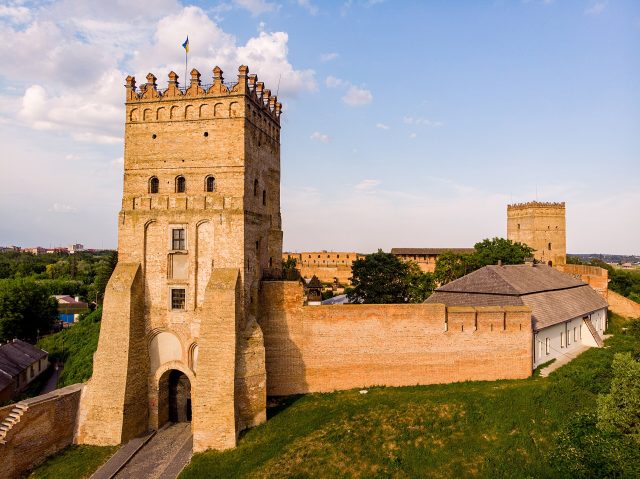
The architecture surrounding the square is a mix of styles, reflecting the different eras that have left their mark on Lutsk. The most striking building is the Lubart’s Castle, which looms over the northern edge, its massive walls a reminder of the city’s strategic importance in the Grand Duchy of Lithuania. Nearby, the Old Town Hall, with its modest yet elegant Renaissance facade, stands as a testament to the city’s administrative past. Other buildings, some with Baroque details, others with simpler, functional designs, create a patchwork of history that feels lived-in rather than preserved for tourists.
For much of its existence, Market Square was the commercial center of Lutsk, a hub where goods from across Eastern Europe changed hands. In the Middle Ages, it was here that traders from Poland, Lithuania, and the Crimean Khanate would gather, bringing furs, spices, and textiles to sell. The square was also a place of public gatherings—announcements were made from the town hall, executions took place in its shadow, and festivals filled the air with music and laughter. Even after the city’s economic focus shifted, the square remained a social anchor, a place where people naturally gravitated.
One of the most interesting aspects of Market Square is how it has adapted over time without losing its character. During the Soviet era, the square was renamed and repurposed, but its essential role as a meeting place endured. Today, it’s a blend of old and new—cafés spill onto the sidewalks, street musicians perform near the fountain, and locals still gather here to chat or take a stroll. The absence of modern high-rises in the immediate vicinity helps preserve the square’s historic atmosphere, making it feel like a quiet corner of the past in a city that has otherwise moved forward.
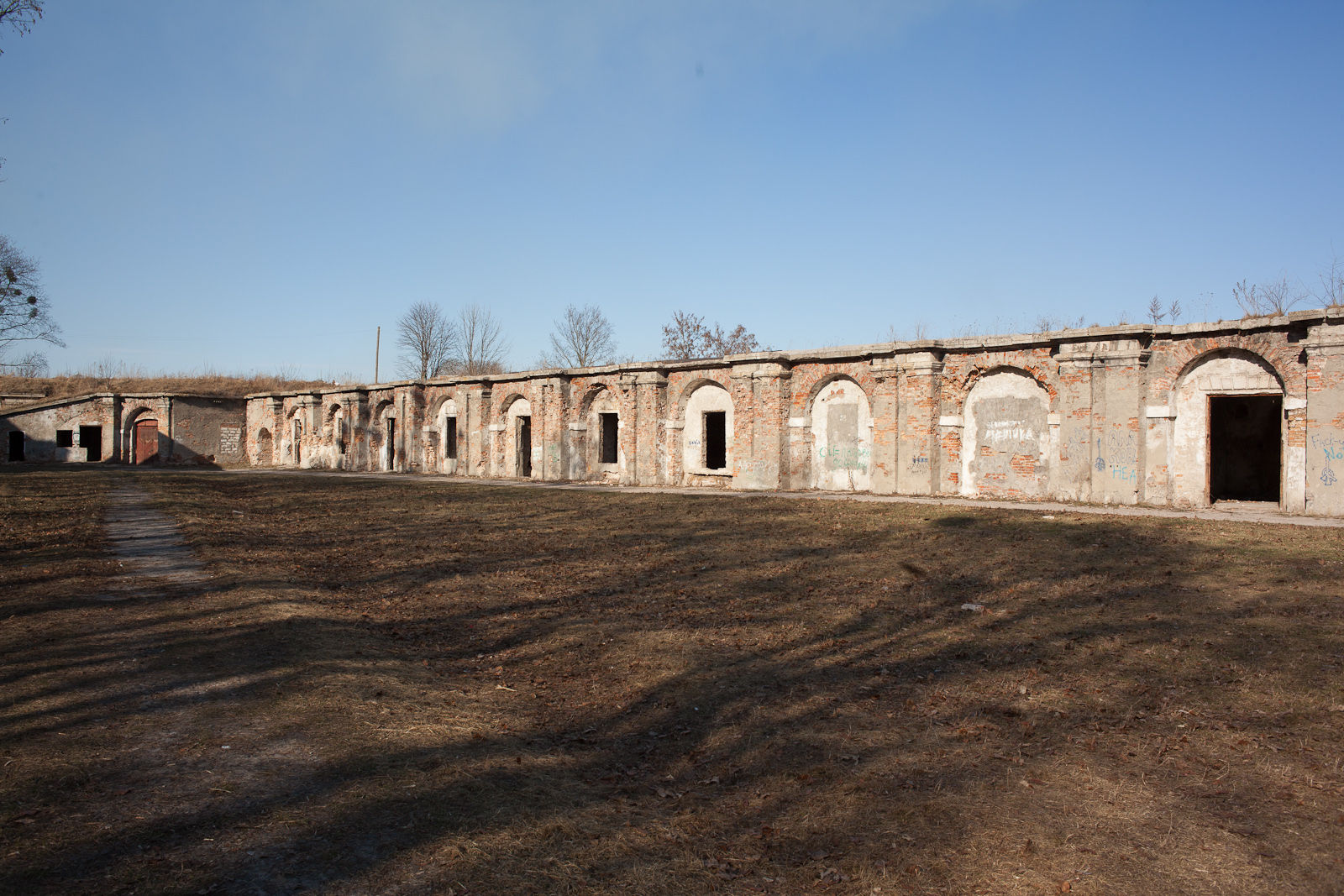
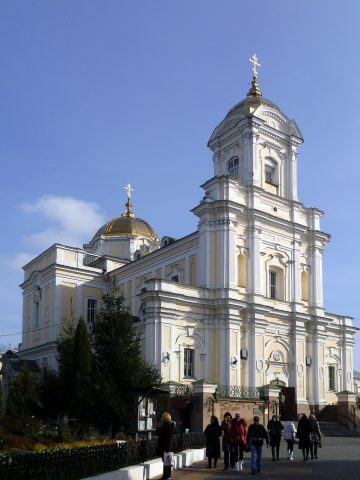
The square is also a gateway to Lutsk’s deeper history. From here, narrow streets branch out into the Old Town, where medieval layouts and hidden courtyards reveal themselves to those who wander. The nearby Dominican Monastery, with its intricate stonework, and the remnants of the city’s defensive walls offer glimpses into a time when Lutsk was a fortified stronghold. Even the names of the streets—some unchanged for centuries—hint at the layers of history beneath the surface.
What makes Market Square special is not just its age or its architecture, but the way it feels alive. It’s not a museum piece, frozen in time, but a place that has absorbed the rhythms of generations. On a quiet morning, the square is almost empty, the cobblestones glistening after rain, the only sounds the distant clatter of a café preparing for the day. By afternoon, it fills with the hum of conversation, the occasional laughter of children, and the scent of coffee drifting from open windows. In the evening, the streetlights cast a warm glow over the buildings, and the square becomes a stage for the city’s quiet, unhurried life.
For visitors, Market Square is often the first introduction to Lutsk, and it sets the tone for what the city is about. It’s not a place of grand monuments or tourist crowds, but rather a space where history feels accessible, where the past isn’t just something to observe but something to experience. Whether you’re sipping coffee at an outdoor table, watching the sunset over the castle walls, or simply sitting on a bench and watching the world go by, the square has a way of making you feel connected to the city’s long, unfolding story.