Praça da Luz is the quiet core of Luz, a small town nestled in the hills of Minas Gerais. Unlike Brazil’s bustling cities, where life moves at a relentless pace, time here seems to slow down, settling into a rhythm that hasn’t changed much in decades. The square isn’t grand or flashy—it doesn’t need to be. Instead, it feels like a natural part of the town’s daily life, a place where locals gather and the occasional traveler stumbles upon something real.
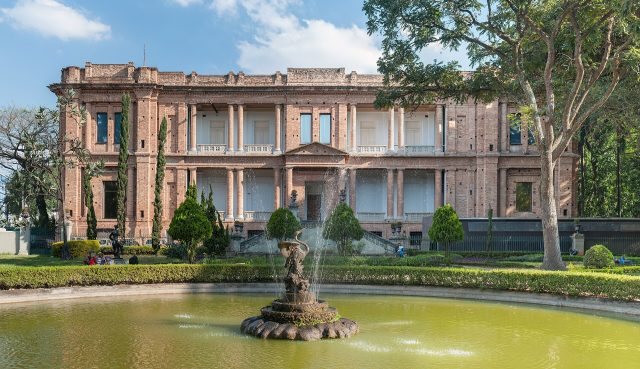
The architecture around the square is simple and unassuming, much like Luz itself. At its center stands a modest church, built in the early 1900s, its whitewashed walls and low bell tower a classic example of the colonial style found across this region. The surrounding buildings, with their tiled roofs and weathered facades, have held onto their old-world charm. There’s nothing ornate or overdone here, just a sense of authenticity that’s hard to find in more tourist-driven spots.
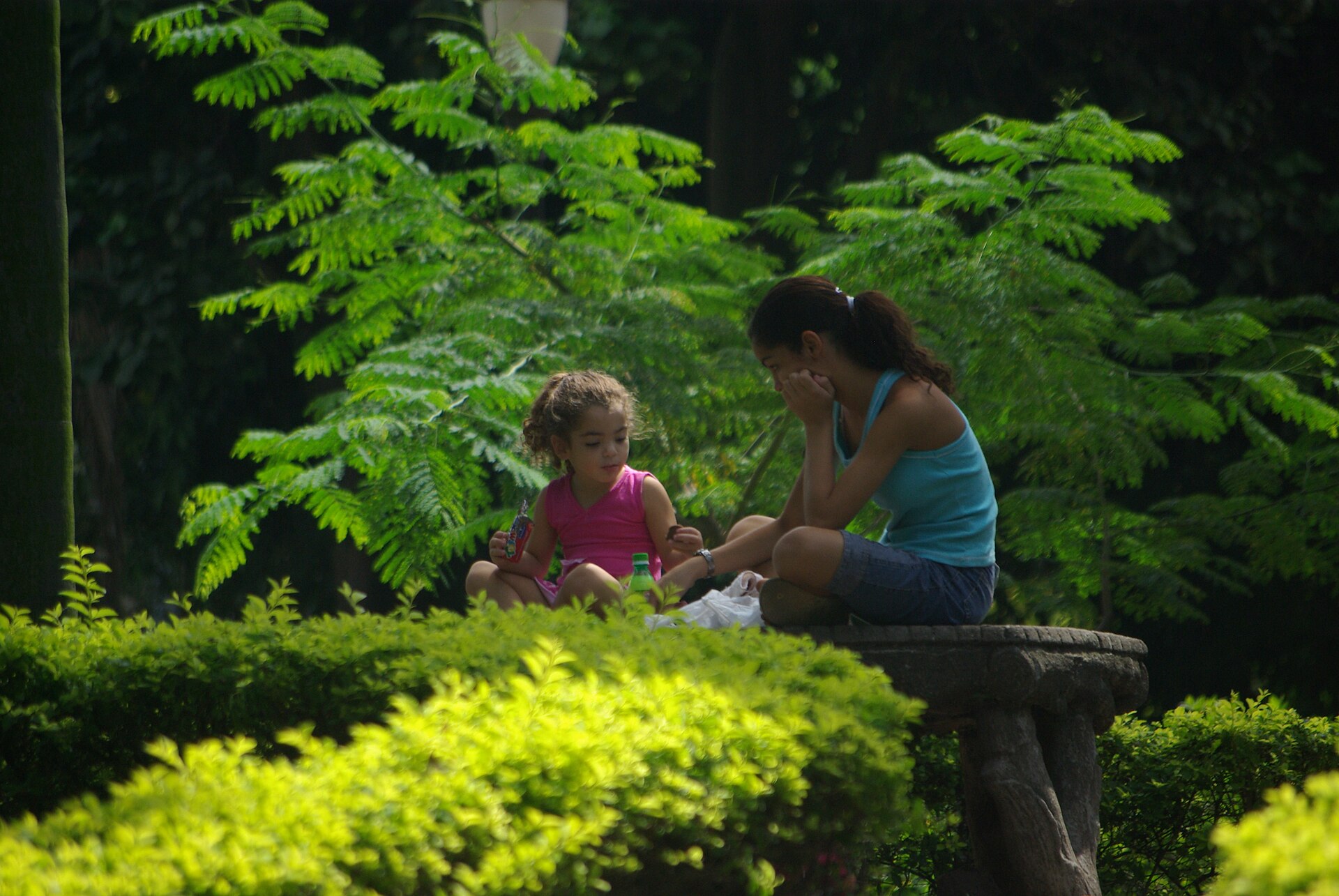
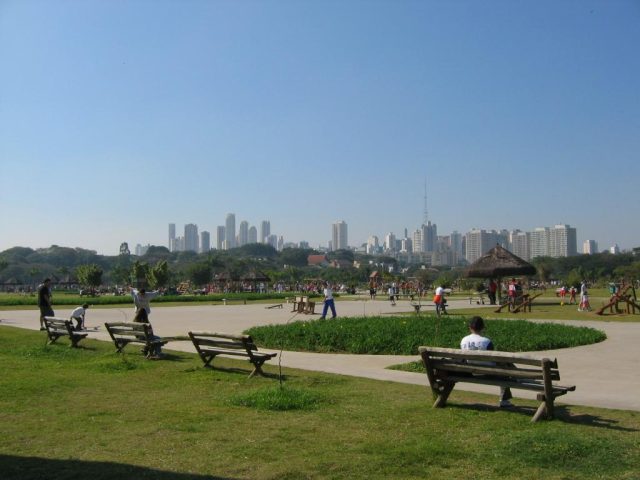
Shady trees line the square, offering relief from the midday sun, while benches provide a place to sit and watch the town go by. In the afternoons, you might see elderly men playing dominoes or groups of teenagers chatting over cups of coffee. As evening falls, the streetlights flicker on, casting a warm glow over the cobblestones. On weekends, small markets pop up, selling fresh cheese, tropical fruits, and homemade wine. Sometimes, local musicians gather to play folk tunes, their music drifting across the square.
The history of Praça da Luz is tied to the story of Luz itself. The town began as a railway stop in the late 1800s, a link between Belo Horizonte and São Paulo, and the square was its first public space. Travelers would pause here, and townspeople would gather to discuss news or settle local matters. Over time, it became the heart of the community, a place for celebrations and everyday life. Even now, long after the railway’s importance has faded, the square remains where the town’s pulse is strongest.
For visitors, Praça da Luz isn’t a place to rush through or check off a list. There are no crowds, no pushy vendors, no scripted experiences. Instead, it’s a chance to step into the unhurried pace of small-town Brazil. You can sit on a bench and watch children kick a ball around, or listen to the easy banter of old friends catching up. Or you might duck into one of the corner cafés, where strong Brazilian coffee is served with a slice of coconut, the way it’s been done for generations.
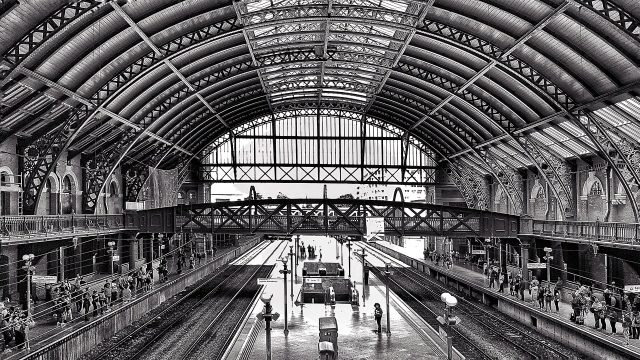
Just beyond the square, a few other spots are worth a look. The old railway station, built in the early 20th century, still stands in good condition, a quiet reminder of the days when Luz was a key stop on the country’s transport network. Nearby, a small museum offers a glimpse into the town’s past, with exhibits on local life through the decades.
What makes Praça da Luz special isn’t any single feature—it’s the way it feels alive. There’s nothing staged or polished here. The cracked walls of the buildings, the laughter of kids running across the cobblestones, the way the light softens as the day ends—it all feels genuine. For anyone weary of the noise and haste of big cities, this square offers a quiet moment to see Brazil as it once was, and as it still is in places like Luz.