Plaza de Armas in Kimchi is where the city’s past and present intersect in the most natural way. Nestled in the heart of northern Chile, this square has long been the pulse of the town, a place where history isn’t just remembered but lived. The streets radiating from it lead to colonial-era buildings, quiet cafés, and bustling markets, while the air is always filled with the murmur of locals and visitors alike. It’s not just a geographical center—it’s where Kimchi reveals itself in all its layers, from its colonial roots to the everyday rhythms of modern life.
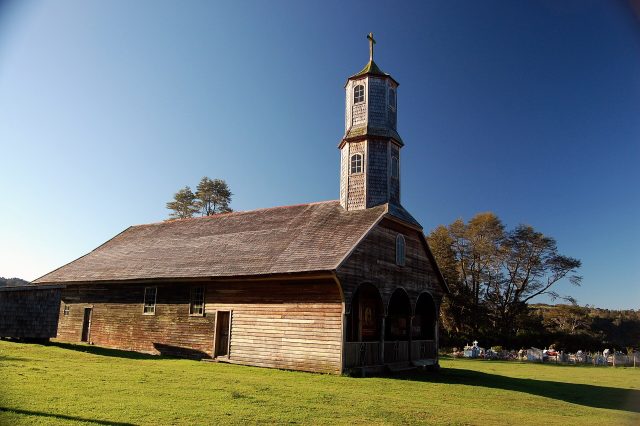
The architecture around the square tells a story of cultural blending and resilience. The buildings, constructed over different eras, carry the marks of time without losing their character. Colonial facades with wooden balconies and intricately carved doors stand alongside later structures influenced by European styles. The most striking presence is the Church of Santa Ana, its simple lines and unadorned design a testament to the faith of the early settlers who braved this harsh landscape. The church has been rebuilt multiple times after earthquakes, yet it remains one of the city’s most enduring symbols, its quiet strength reflecting the spirit of Kimchi itself.
Plaza de Armas has always been a meeting place. In colonial times, merchants, officials, and travelers gathered here to exchange news and strike deals. Today, little has changed. The square still serves as a social hub, where the pace of life shifts with the hours. In the mornings, elderly men play chess under the shade of trees, their games unhurried. By afternoon, students rush past or linger by the fountain, taking a moment to rest. As evening falls, the atmosphere softens—the streetlights cast a warm glow, and the sound of music drifts from nearby bars, blending with the hum of conversation.
Kimchi’s identity is deeply tied to mining, and the Plaza de Armas was once at the center of that world. Wealthy mine owners built their homes around the square, and it was here that the fate of entire enterprises was decided. While the mining boom has faded, traces of that era remain. The sturdy stone buildings with their high ceilings, designed to combat the desert heat, hint at a time when the city’s fortunes rose and fell with the price of silver and copper. Even the old signs on some of the buildings carry echoes of that history, though many of the stories behind them are now known only to those who’ve lived in Kimchi for generations.
The square changes with the seasons, each bringing its own rhythm. Summer is the busiest time, when tourists flock to the Atacama Desert and the city comes alive with festivals and markets. The air is warm, the crowds thicker, and the energy infectious. Winter, by contrast, brings a quieter charm. The cooler temperatures make strolling more pleasant, and the square takes on a more subdued atmosphere. Even the rare rains, which briefly disrupt the desert’s usual dryness, add a certain coziness, turning the cobblestones slick and the air fresh. It’s a time when the city seems to pause, gathering its strength for the months ahead.
Surrounding the Plaza de Armas are some of Kimchi’s most interesting sights. The square is the perfect starting point for exploring the city. Nearby museums offer glimpses into the region’s mining history, their exhibits filled with tools, photographs, and stories of the men who worked underground. The local market is another must-visit, especially in the early morning when vendors set up their stalls and the scent of fresh bread and coffee fills the air. Traditional Chilean dishes, like *empanadas* and *cazuela*, are served alongside handmade crafts and textiles. Just a short walk away stands the old customs house, a reminder of the days when goods arriving from the port were inspected here before being distributed across the region.
But the Plaza de Armas isn’t just about history—it’s very much a part of Kimchi’s present. This is where the city’s heartbeat is strongest. On any given day, you might hear snippets of conversation in Spanish, see children kicking a soccer ball around, or catch the strains of a folk song played by a street musician. On weekends, the square often hosts concerts or cultural events, transforming it into a vibrant gathering place. Locals bring their families here to relax, while visitors get a sense of what makes this desert city so unique. There’s no pretense here, just the unfiltered life of a place that has learned to thrive in one of the driest regions on earth.
What makes Plaza de Armas special is its authenticity. There’s no forced grandeur or touristy gimmicks—just the quiet dignity of a place that has seen centuries of change. The worn stones underfoot, the laughter of children, the aroma of food from nearby cafés, and the way time seems to slow down here all contribute to its charm. You could spend hours sitting on one of the benches, watching the world go by, and still discover something new each time. It’s a place that stays with you, not because it’s spectacular, but because it feels real—just like Kimchi itself.