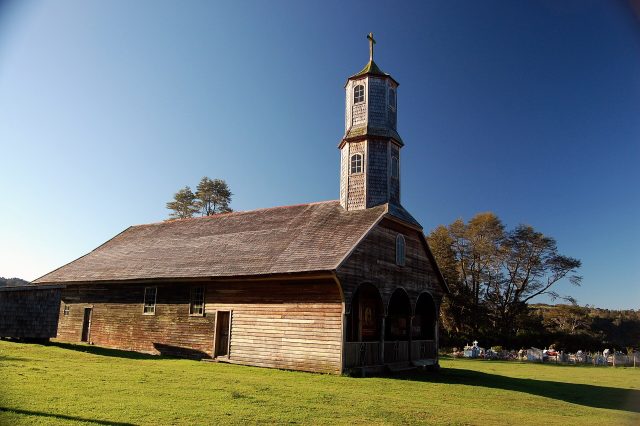
The Museum of History and Culture in Kimchi isn’t just a place where the past is preserved—it’s where the city’s story comes alive through the voices of those who shaped it. Housed in a building that’s a piece of history itself, the museum occupies a stately early 20th-century home once owned by one of the region’s prominent families. The architecture blends European elegance with local craftsmanship: soaring ceilings, exposed wooden beams, intricately carved shutters, and a sunlit inner courtyard that invites quiet reflection. This isn’t a space for dusty relics behind glass; it’s a living archive of how Kimchi grew from a settlement into the city it is today, shaped by the people who called it home and the events that defined its path.
The museum’s exhibits span centuries, beginning with the pre-Columbian era. Artifacts unearthed in and around Kimchi—pottery, tools, jewelry, and everyday objects—offer a glimpse into the lives of the indigenous peoples who thrived here long before Spanish arrival. A significant focus is given to the Mapuche, Chile’s largest indigenous group, whose traditions, crafts, and worldview continue to influence the region. Visitors can see textiles woven with patterns passed down through generations, alongside tools used in rituals and daily life. These objects aren’t just historical footnotes; they’re evidence of a culture that persists, adapting yet enduring.
The colonial period marked a turning point for Kimchi, transforming it into a key administrative and commercial hub in southern Chile. The museum dedicates an entire hall to this era, displaying documents, maps, and household items that reveal the complex dynamics between Spanish settlers and the indigenous population. Scale models of long-lost buildings show how the city’s architecture evolved, while personal accounts and official records paint a picture of life under colonial rule. The 19th century brought even more change, as railroads and industry arrived, reshaping Kimchi’s economy and culture. The exhibits here don’t just chronicle progress—they show how these shifts altered the rhythms of daily life, from work to social customs.
Kimchi’s identity was further shaped by waves of migration in the 20th century, and the museum doesn’t shy away from this chapter. Exhibits explore the arrival of European immigrants—Germans, Italians, Croatians—who brought their own traditions, cuisine, and architectural styles. Their influence is still visible today, from street names to the menus of local cafés. Photographs, personal belongings, and oral histories from descendants offer a human perspective on how these diverse communities wove themselves into the fabric of the city. The result is a place where cultural threads from across the globe intersect, creating something uniquely Kimchi.
Nature has always been intertwined with life in this part of Chile, and the museum pays tribute to that relationship. Nestled in a valley surrounded by mountains and lakes, Kimchi’s history is as much about the land as it is about its people. Exhibits highlight traditional livelihoods like fishing, farming, and logging, showing how the environment shaped local culture. There’s also a frank look at how human activity has altered the landscape over time, from deforestation to modern conservation efforts. The museum doesn’t just celebrate the past—it prompts visitors to consider the future, asking how this fragile balance between nature and development can be maintained.
A visit here is more than a walk through static displays. The museum pulses with life, hosting rotating exhibitions on contemporary art, photography, and crafts. Occasionally, workshops invite visitors to try their hand at traditional skills like weaving or pottery, connecting them directly to the region’s heritage. The inner courtyard, with its dappled light and quiet corners, often serves as a gathering spot for locals and travelers alike. It’s a place to linger over coffee, browse the small library, or simply watch the city go by through the windows of this historic building.
For anyone trying to understand Kimchi, the museum is the perfect starting point. It strips away the tourist veneer, revealing a city with layers of history etched into its streets and buildings. There’s no grandstanding here—just the unvarnished stories of the people who built, lived in, and shaped this corner of Chile. The museum doesn’t just preserve the past; it bridges it with the present, offering a space where visitors can feel the city’s rhythm and grasp what makes it truly unique. It’s less about sightseeing and more about connecting—with the land, the culture, and the people who call Kimchi home.