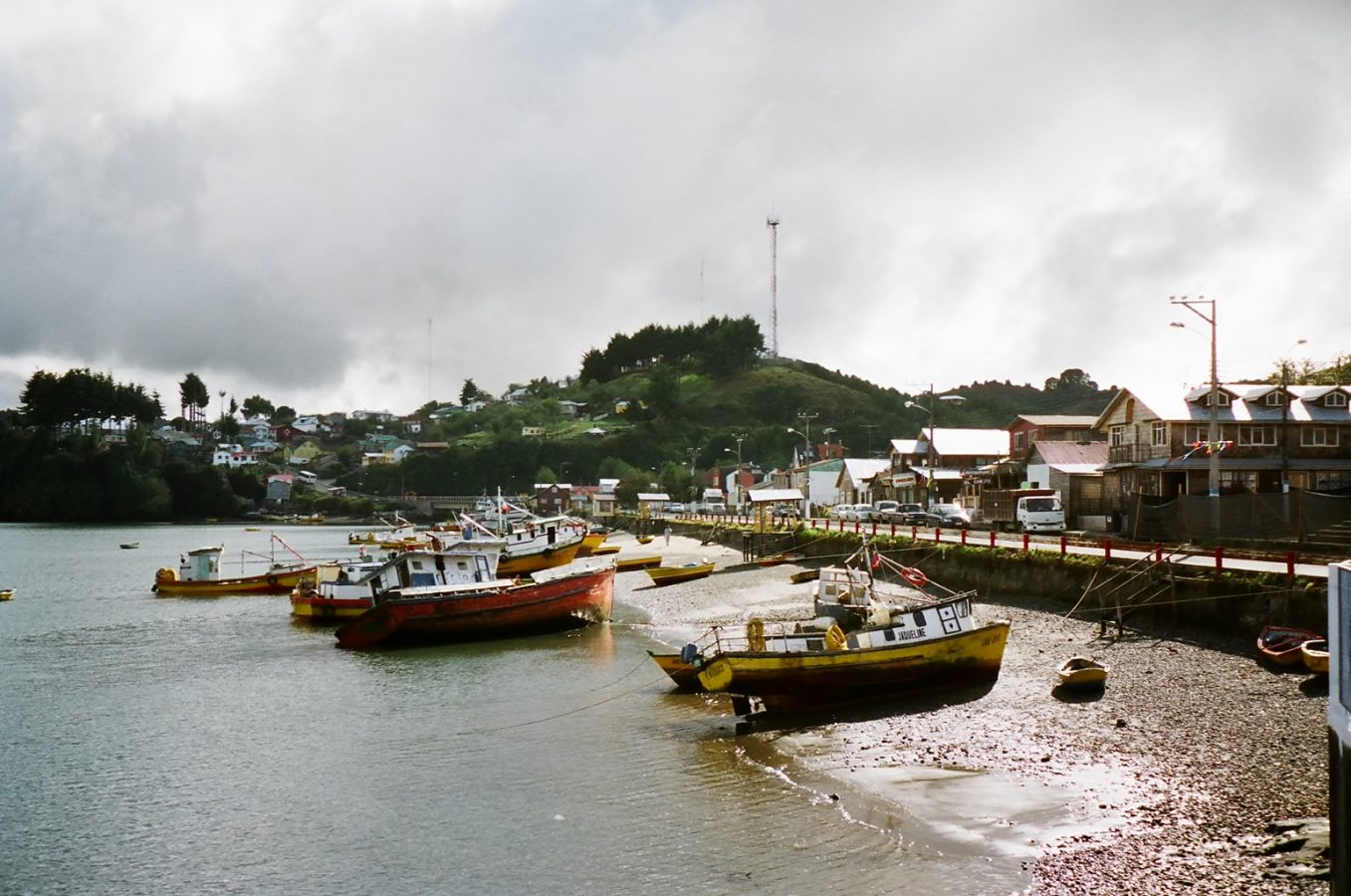
Kimchi
Chile · 1 place
Photo: Clem23, CC BY-SA 3.0
Quemchi sits where the Atacama Desert’s harsh expanse meets the towering Andes, a place where the air carries the sharp tang of salt and minerals, and the sky stretches endlessly, so clear that the stars at night seem close enough to touch. The town moves at its own unhurried pace, absorbing the stark contrasts around it—sun-scorched hills giving way to pockets of green, ancient geoglyphs etched into the slopes as reminders of long-ago settlers. There’s nothing hurried about Quemchi; it’s not a place for crowds or fanfare, but for those who want to step into the quiet rhythm of Chile’s interior, where time feels different, slower, as if the desert itself has a way of stretching moments into something deeper.
The town’s story is tied to nitrate, the white gold that once made this corner of Chile one of the wealthiest and busiest places in the country. In the late 1800s and early 1900s, Quemchi thrived—factories hummed, railways stretched across the desert, and people from all over the world arrived, chasing the promise of work. Now, the boom is long gone, leaving behind abandoned mines and the skeletal remains of old settlements. But the past lingers in the dust and the stories told by the local nitrate museum, where photographs, tools, and personal belongings of the workers paint a picture of lives spent extracting a resource that was once as valuable as gold. Walking through the empty streets, it’s easy to imagine the echoes of voices, the clatter of trains, the distant shouts of a town that once pulsed with life.
Today, Quemchi is a small, quiet place where a few thousand people live in a rhythm dictated by the desert. There’s no urgency here, no city noise—just the occasional gust of wind or the distant rumble of a truck. The main street, lined with low adobe and wooden houses in faded pastels, looks as if it hasn’t changed in a century. The central square, with its simple church, is where locals gather on Sundays to catch up, share news, or simply sit in the sun. When evening falls, the town softens into twilight, the glow of a few streetlights the only sign that life still stirs beneath the vast, star-filled sky.
For travelers, Quemchi is less about the town itself and more about the wild, untamed landscapes that surround it. The desert here is alive with contrasts—shimmering salt flats, ancient volcanoes standing sentinel over the horizon, and canyons carved by wind and time. The Valle de la Luna, just a short distance away, feels like another world, with its jagged rock formations, shifting dunes, and surreal shapes that make the earth look like the surface of another planet. At night, the sky turns into a sea of stars, so dense and bright it’s hard not to feel small beneath it. It’s in these moments that the desert’s magic becomes undeniable, a quiet force that draws people in despite its harshness.
Quemchi isn’t for those looking for luxury or entertainment. There are no tourist traps, no fancy restaurants, no crowds—just silence, space, and the sense that you’ve stepped into the heart of the Atacama, where time moves to its own rules. The town doesn’t try to impress; it simply exists, as it has for centuries, beneath the endless sky. And if you’re lucky, you might just find yourself slipping into its rhythm for a few days, carrying away memories of a place where the land and the heavens feel like one.
See & Do
All of them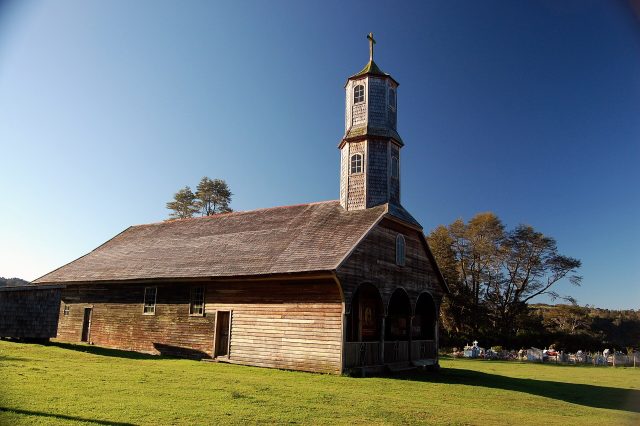
Places on the map
Marker colour follows the categoryClimate and weather
Detailed weather: Kimchi- Average temperature
- 10 °C
- Precipitation per year
- 1220 mm
- Sunshine hours per day
- 5.1 h
Average air temperature
°C
15
15
12
10
9
7
6
7
8
10
12
14
Jan
Feb
Mar
Apr
May
Jun
Jul
Aug
Sep
Oct
Nov
Dec


