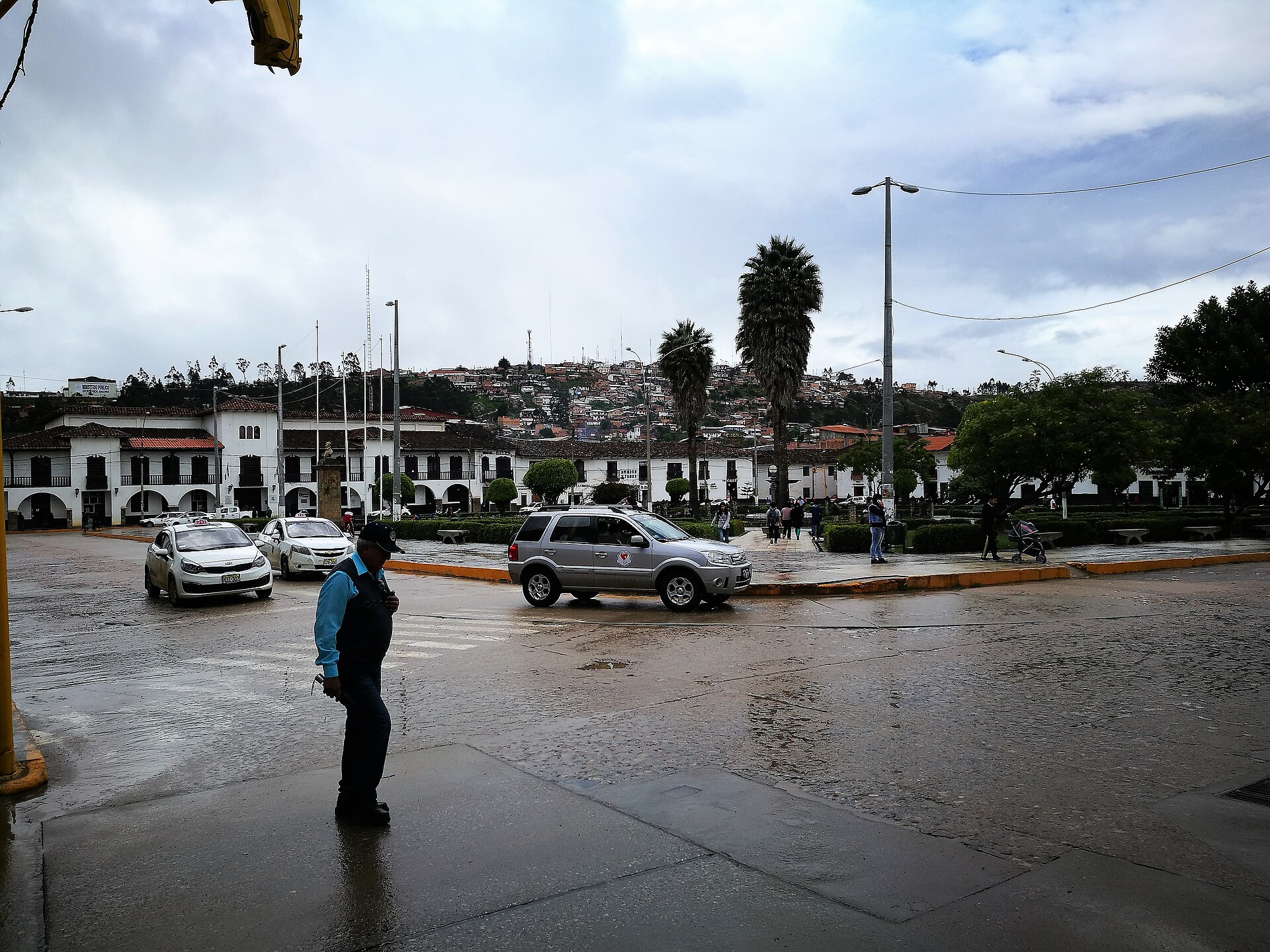
Plaza de Armas in Chachapoyas is where the city reveals itself in its unhurried, almost timeless beauty. There’s no rush here, no crowds chasing the next big attraction. Instead, the quiet rhythm of provincial life lingers in every cobblestone, every weathered wooden balcony, and the dappled shade of acacia trees stretching over benches. This is the heart of Chachapoyas, where history and the present coexist so seamlessly that it’s hard to tell where one ends and the other begins.
The square is framed by low colonial-era buildings, many of which have retained their original appearance since the 18th century. Their facades, painted in soft pastels—pale blues, pinks, and ochres—bear the faintest traces of age, as if time has only gently brushed against them. The municipal building stands out with its arched galleries and high ceilings, a place where the city’s fate was once decided. Today, it still hums with activity, though of a different kind: officials discuss local matters while visitors pause to photograph the massive wooden doors.
At the center of the plaza is a modest fountain, surrounded by vibrant flowerbeds. It’s small, but something about it draws the eye—perhaps the way the water always seems cool, even on the warmest days. Locals often bring their children here to sit on the benches, watching the streams rise and fall as sunlight dances on the surface. In the evenings, when the streetlamps flicker on, the square transforms. Shadows lengthen, and the air fills with the scent of roasted corn and freshly brewed coffee sold by vendors on the corner.
Chachapoyas wasn’t always this quiet. During colonial times, it was a key administrative and trading hub, a stopover on routes from Lima to the Amazon. Plaza de Armas witnessed it all: public gatherings, bustling fairs, and even the occasional punishment meted out in the name of order. Back then, it wasn’t just a place to rest—it was the pulse of civic life. Today, the echoes of that era remain in the architecture and the stories passed down through generations.
The trees here are as old as the square itself, their sprawling canopies offering respite from the midday sun. On weekends, the plaza often hosts small concerts or artisan markets, filling the air with music and laughter. Local musicians strum guitars and play flutes, while craftsmen display their wares—leather goods, silver jewelry, and intricately carved wood, all hallmarks of the region. You might find a traditional poncho with elaborate patterns or hand-painted pottery, each piece telling a story of its own.
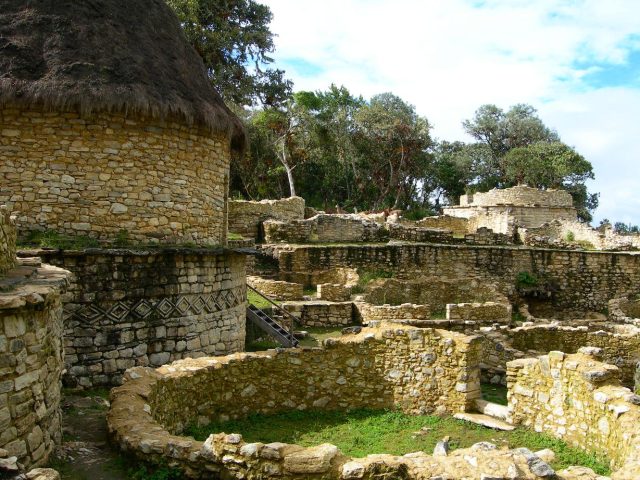
Plaza de Armas isn’t just a place to stroll—it’s the perfect starting point for exploring Chachapoyas. From here, you can wander the narrow streets, duck into cozy cafés serving authentic Peruvian dishes, or set off on a journey to the nearby ruins of Kuélap. The square is also surrounded by other landmarks: the modest yet elegant Santa Ana Church, a museum housing pre-Columbian artifacts, and a market where you can sample local specialties like roasted cuy or quinoa soup.
As evening falls, the plaza becomes even more inviting. The heat of the day subsides, and locals and visitors alike gather here. Some come with friends for coffee, others simply to enjoy the cool air. This is when the layers of time feel most tangible—teenagers chatting about the latest news sit near elders playing chess, while stray dogs doze on the fountain’s steps. It’s a scene of quiet authenticity, far removed from the polished veneer of over-touristed spots.
There’s nothing staged about Plaza de Armas. The cracked pavement, the peeling paint on the walls, even the faint scent of dampness drifting from old basements—it’s all real. This is a place where you can feel the soul of Chachapoyas, understand why it matters to those who call it home, and why those who visit once often find themselves returning. It’s not just a square; it’s a living part of the city, breathing in time with the people who walk its paths.