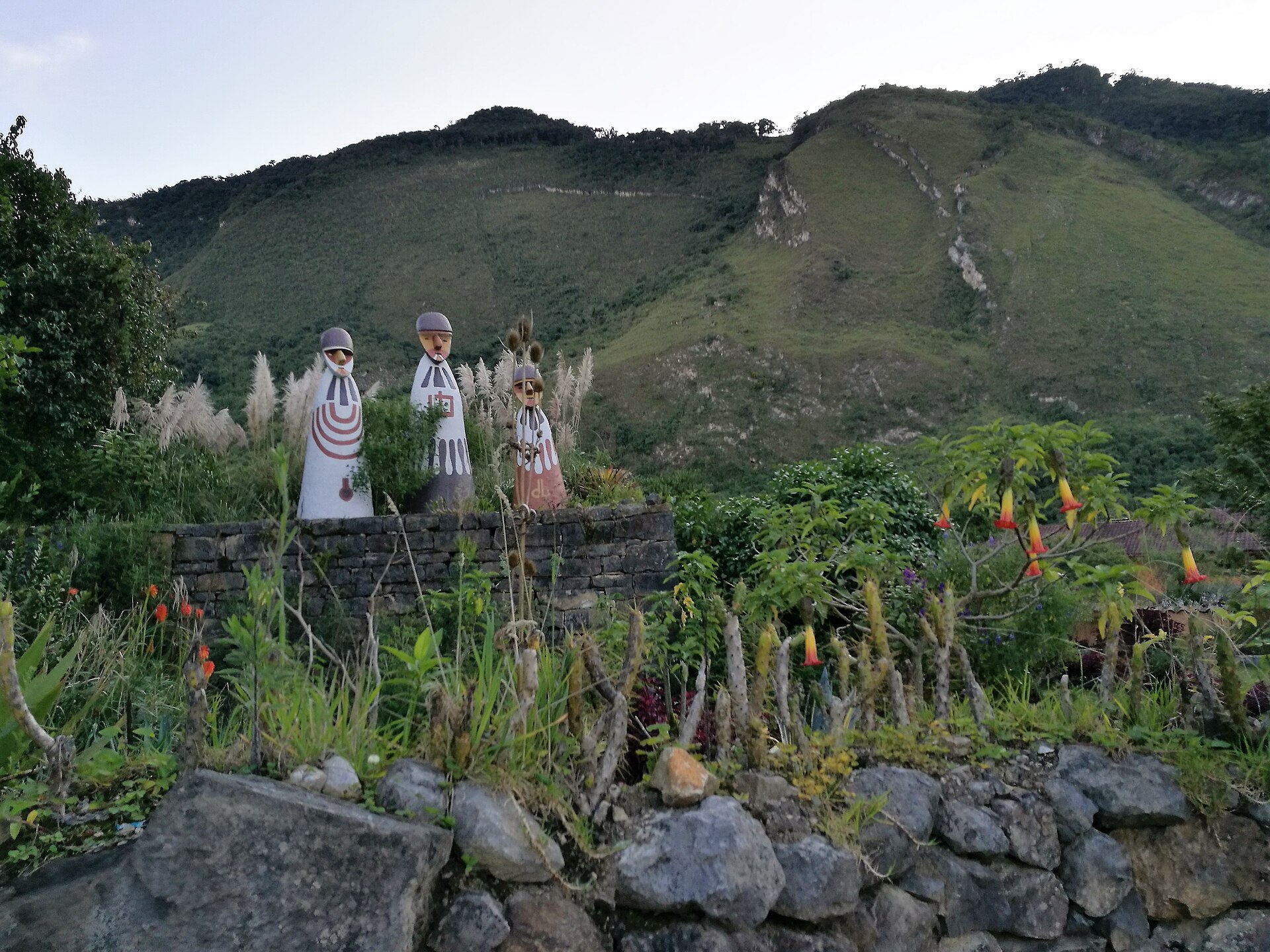
Leimebamba Museum sits quietly on the edge of a small town, where the green hills of the Andes fade into the misty forests of the Amazon. Far from the well-trodden paths of Peru’s more famous ruins, this place holds one of the country’s most enigmatic collections—the remnants of the Chachapoya, a people who thrived long before the Inca, building their cities on sheer cliffs and leaving behind more mysteries than answers. The museum itself is unassuming, a single-story building of stone and wood that blends into the landscape, as if designed to guard the secrets of the past rather than display them.
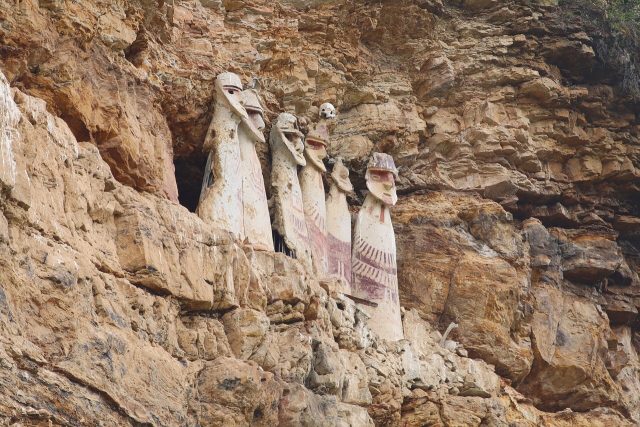
Inside, there are no flashy exhibits or interactive screens, just a quiet hush broken only by the footsteps of visitors. The dim light reveals the outlines of artifacts—mummies, pottery, textiles, and tools—each telling a fragment of a story. The museum’s greatest treasure is a collection of two hundred mummies, discovered in 1997 in the Laguna de los Cóndores cave. They were found by chance when locals stumbled upon an ancient burial site hidden high in the mountains. Some of the mummies lie wrapped in cloth, others with their faces exposed, frozen in the midst of what might have been a ritual. Their preservation is astonishing—skin, hair, even fingernails remain intact, thanks to the dry mountain air and a mummification technique the Chachapoya mastered long before the Egyptians.
Beside the mummies, everyday objects accompany the dead: clay vessels with traces of food, wooden figurines, shell and stone jewelry, and intricately woven textiles. The pottery is particularly striking, often adorned with images of animals, birds, and mythical creatures that seem to blend human and jaguar features. These designs offer a glimpse into the Chachapoya worldview, where nature wasn’t just a backdrop but a living force, filled with spirits and power. Some vessels take the shape of human heads, possibly symbolizing the connection between the living and the dead.
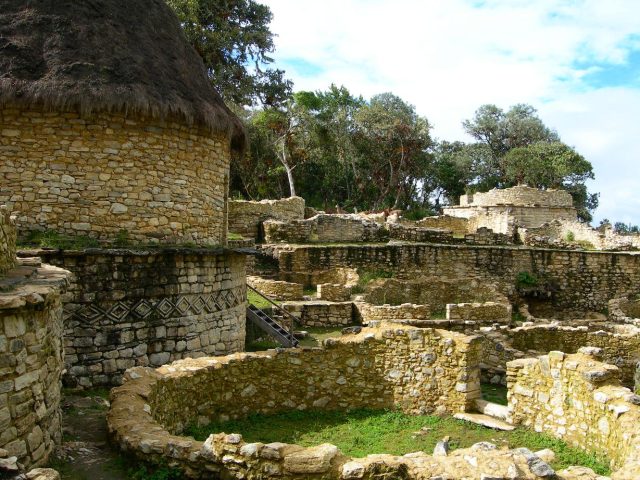
The museum’s architecture is worth noting as well. The building draws inspiration from traditional Chachapoya dwellings—round stone houses with conical roofs, once common on the Andean slopes. Inside, the high ceilings and spacious halls create a sense of openness, while large windows frame views of the surrounding mountains, inviting visitors to imagine the landscape as it was centuries ago. One room even recreates a fragment of the cave where the mummies were found, offering a sense of how the original burial site might have looked.
Leimebamba Museum is more than a repository of artifacts; it’s an active research center where anthropologists and archaeologists continue to study the Chachapoya culture. Excavations, restoration work, and educational programs for local communities are ongoing. The museum places special emphasis on preserving the traditions of the indigenous people who still live in nearby villages and consider themselves descendants of the Chachapoya. Visitors might encounter artisans demonstrating ancient weaving or basket-making techniques, or hear stories of mountain spirits that still wander the forests.
Many who visit the museum also make the journey to Laguna de los Cóndores, where the mummies were discovered. The trip takes several hours, winding through dense forests and mountain passes with breathtaking views. The lagoon itself is a small, secluded lake surrounded by sheer cliffs, where Chachapoya fortifications once stood. Local guides speak of seeing shadows of birds over the water on clear days, or even hearing echoes of ancient voices—a legend, perhaps, but the place does feel steeped in mystery.
The Chachapoya were known as the Warriors of the Clouds, their cities and fortresses built so high they seemed to float in the sky. They were skilled builders, constructing complex stone structures without mortar, and fierce warriors who resisted the Inca until the late fifteenth century. After the Spanish arrived, their culture nearly vanished, leaving behind only ruins and stories. Leimebamba Museum is one of the few places where you can touch this lost civilization, sensing both its strength and its tragedy.
Today, the museum isn’t just for tourists. Schoolchildren from nearby villages often visit, learning about their heritage. You might see groups of kids listening to guides or sketching ancient patterns, for whom the Chachapoya aren’t just history but a living part of their identity, passed down through generations. That, in the end, is the museum’s true value—it doesn’t just preserve the past but helps shape the present, connecting people to their culture and the land they call home.