Perched high in the mist-shrouded mountains of northern Peru, Kuélap feels like a place suspended between the past and the present. This ancient fortress, built by the Chachapoyas people long before the Inca Empire rose to power, sits atop a ridge at nearly three thousand meters above sea level, where the air is thin and the valleys below vanish into a sea of clouds. The Chachapoyas, often called the "Warriors of the Clouds," chose this remote location not just for its strategic advantages but for its isolation—a place where the earth meets the sky, and the boundaries between the natural and the man-made blur.
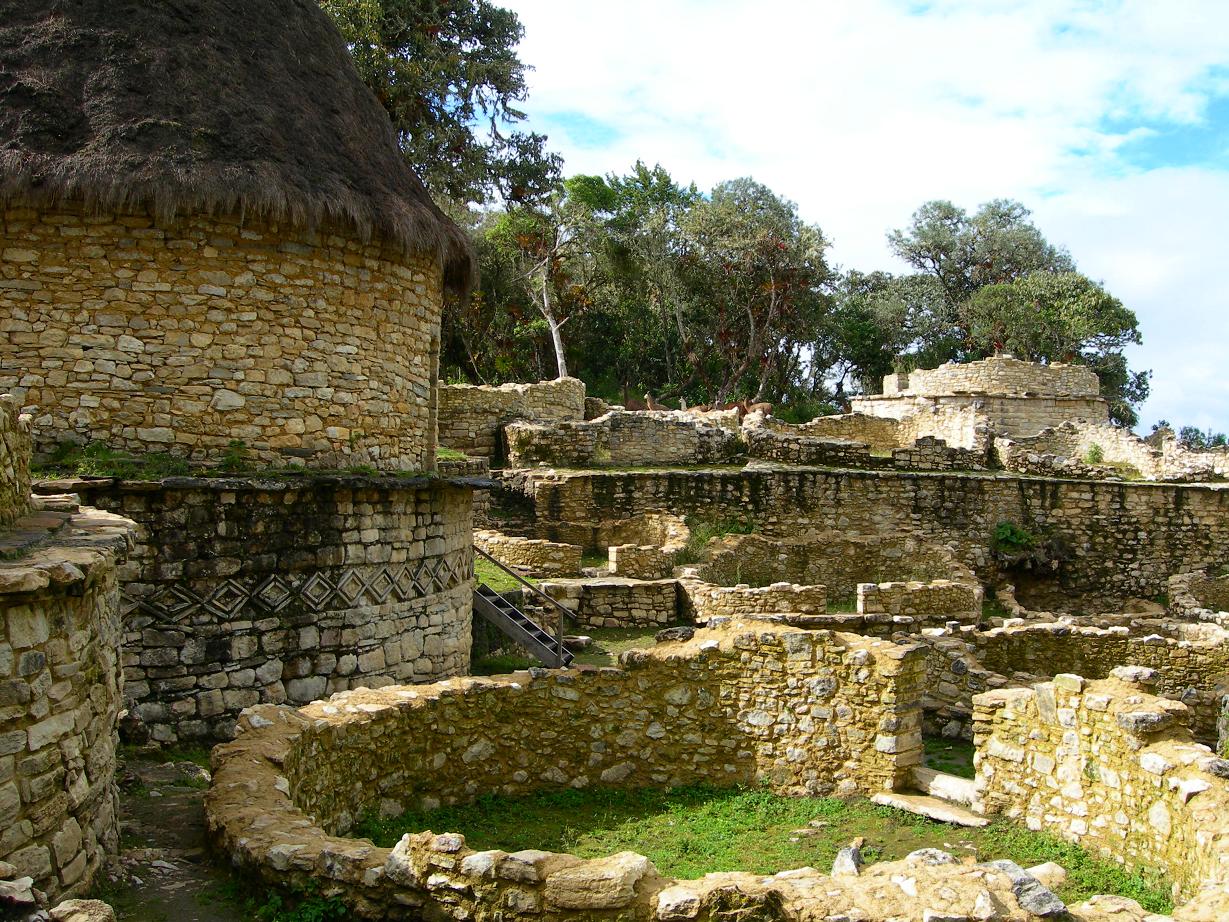
The sheer scale of Kuélap is difficult to grasp until you stand before its towering walls. The fortress is built on a massive stone platform stretching over six hundred meters in length, its outer walls rising up to twenty meters high in places. What makes this structure even more remarkable is the precision of its construction. The Chachapoyas stacked limestone blocks without mortar, fitting them together so tightly that even today, centuries later, the seams between the stones are barely visible. Inside the fortress, the remains of nearly four hundred circular buildings hint at a once-thriving community. Some of these structures were homes, others likely served as granaries or ceremonial spaces, their round shapes a signature of Chachapoyan architecture.
The fortress was designed with defense in mind. Its entrance is a narrow, winding passage, easy to guard and difficult for invaders to breach. Once inside, the complex unfolds in layers, connected by steep staircases and ramps that lead to different levels of the settlement. Archaeologists have also uncovered traces of an advanced water system, evidence that the Chachapoyas were not only skilled builders but also resourceful engineers. They managed to channel water through the fortress, a crucial adaptation in this rugged, high-altitude environment where survival depended on mastering the land.
The history of Kuélap is as enigmatic as the people who built it. The Chachapoyas civilization emerged around the 9th century and flourished until the 15th century, when the Inca Empire absorbed their territory. Yet even under Inca rule, the Chachapoyas retained much of their cultural identity, and Kuélap remained an important center. The fortress was eventually abandoned, though not all at once. Over time, as the Chachapoyas people assimilated with the Inca and later the Spanish, the site slowly emptied, leaving behind only the silent stones to tell their story. What little we know about them comes from these ruins, the artifacts unearthed here, and the few chroniclers who mentioned them in passing.
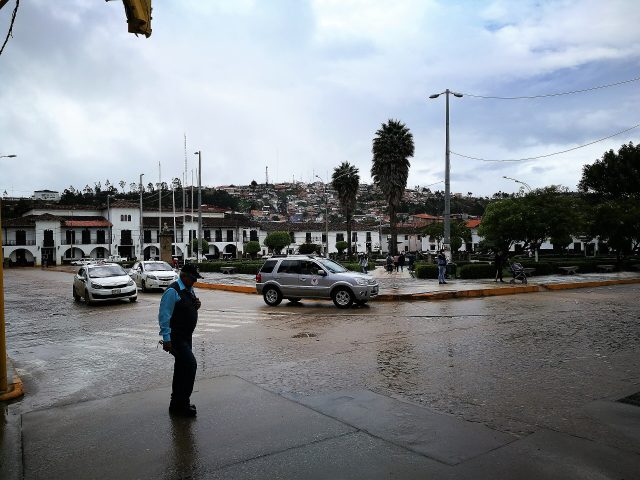
Visiting Kuélap is unlike visiting other archaeological sites in Peru. There are no crowds here, no vendors selling trinkets, no modern distractions. The journey itself is part of the experience. From the colonial town of Chachapoyas, the road winds through cloud forests and over mountain passes, offering glimpses of waterfalls and orchids clinging to the cliffs. The final approach to the fortress is either a steep hike or a ride on a cable car that whisks visitors up the mountainside, but either way, the sense of arrival is unforgettable. Standing at the edge of the platform, looking out over the endless green valleys, it’s easy to understand why the Chachapoyas chose this place. The view alone feels like a reward.
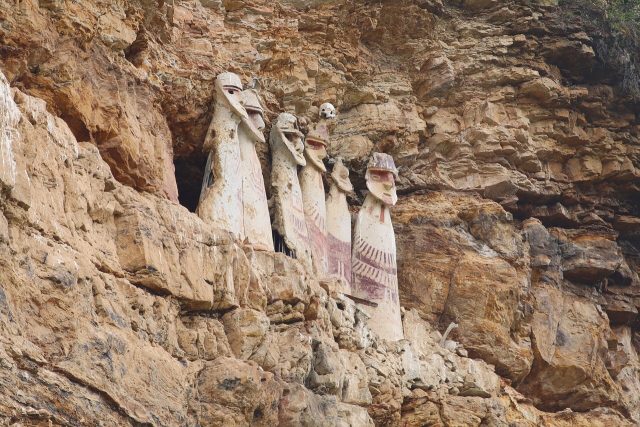
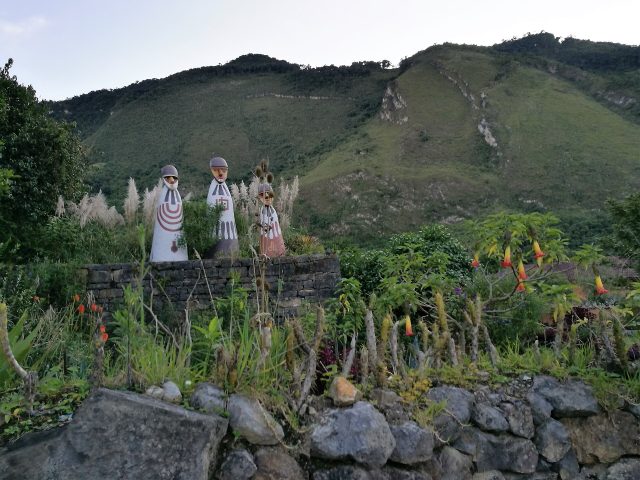
The atmosphere at Kuélap is one of quiet reverence. The ruins are still largely untouched by mass tourism, and the lack of modern development only adds to their mystique. Walking through the fortress, you can trace the outlines of the old buildings, run your fingers along the smooth stone walls, and imagine the lives that once unfolded here. The air is cool and damp, carrying the scent of moss and earth, while the occasional call of a bird echoes through the ruins. Local guides share stories of the Chachapoyas—how they farmed the steep slopes, how they buried their dead in cliffside tombs, and how they resisted the Inca before finally succumbing to their rule.
Kuélap is more than just a historical site; it’s a place where the past feels tangible. Unlike Machu Picchu, which has been polished by tourism, Kuélap retains a raw, unfiltered quality. There are no grand reconstructions here, no attempts to "restore" the ruins to their former glory. What remains is authentic, imperfect, and all the more compelling for it. The fortress is still revealing its secrets—archaeologists continue to uncover new structures and artifacts, each discovery adding another layer to our understanding of the Chachapoyas.
For now, Kuélap remains one of Peru’s best-kept secrets. It’s not the easiest place to reach, and that’s part of its charm. Those who make the journey are rewarded with a sense of discovery, as if they’ve stumbled upon something meant only for them. The fortress doesn’t just tell a story; it invites you to step into it, to walk in the footsteps of the people who built it and to see the world through their eyes. In a country filled with ancient wonders, Kuélap stands apart—not for its fame, but for its quiet power, its resilience, and the way it lingers in the memory long after you’ve left.