Place du Puy in Gordes is one of those rare spots where time seems to soften, almost as if the world has decided to take a breath. Tucked into the heart of this medieval village, it’s surrounded by stone houses with narrow windows and terracotta roofs that have stood for centuries, bearing silent witness to the comings and goings of troubadours, merchants, and pilgrims. There’s no rush here, no jostling crowds or tourist traps—just the quiet rhythm of a place that feels suspended between past and present. The square invites you to linger, whether at a café table with a coffee in hand or simply perched on a bench, watching the sunlight shift across the ancient walls while the distant chime of the Église Saint-Firmin’s bell drifts through the air.
Gordes itself is a village that doesn’t give up its secrets easily. Perched on a rocky outcrop overlooking the Luberon Valley, its history stretches back to a time when the region was a crossroads of trade and pilgrimage. Place du Puy, like much of the village, carries the echoes of the Middle Ages, when Gordes was a fortified stop on the route to Santiago de Compostela. Back then, the square would have buzzed with activity—merchants haggling over goods, artisans displaying their wares, and locals gathering to share news or gossip. Today, the stone facades and winding alleys are all that remain of that era, but they speak volumes. There’s a sense of continuity here, as if the village has simply carried on, undisturbed by the passage of time.
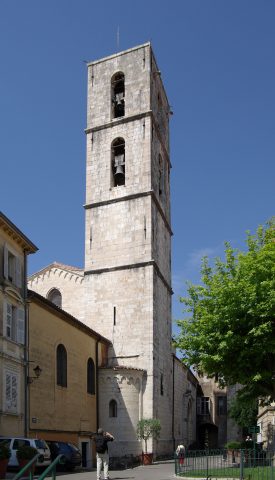
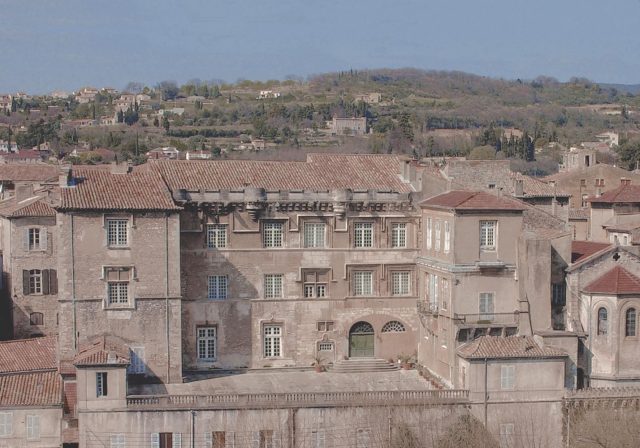
The architecture of Place du Puy isn’t grand or imposing, and that’s precisely what makes it special. The buildings are modest in height, their wooden beams and shuttered windows painted in muted tones that blend seamlessly with the stone. Some facades bear delicate carvings, the work of long-forgotten craftsmen whose skill is still evident in the intricate details. One of the most notable structures is the former bishop’s palace, now home to the town hall. Its sturdy stone walls and arched windows hint at Gordes’ past as a center of religious life in the region. Beside it stands the small Église Saint-Firmin, unassuming on the outside but offering a quiet refuge within, where the air is cool and the light filters softly through stained glass.
What makes Place du Puy so compelling is how it transforms throughout the day. Mornings are almost hushed, with only the occasional local hurrying past as the sun climbs over the rooftops, casting long shadows across the cobblestones. By midday, the square begins to stir—visitors pause to photograph the old facades, or duck into the little shops selling local cheeses, wines, and leather goods. But it’s in the evening that the square truly comes alive. Café tables fill with friends and families, laughter spills into the air, and the glow of streetlamps dances in glasses of rosé. In those moments, it’s easy to imagine that Gordes hasn’t changed in centuries, that the same conversations and quiet joys have been unfolding here for generations.
The square’s charm is also tied to its setting. From Place du Puy, the view stretches across the Luberon Valley, where the Lot River winds through rolling hills dotted with vineyards and forests. On clear days, you can spot distant villages clinging to the slopes, their stone houses glowing in the sunlight, or the silhouettes of old castles that once guarded these lands. As evening falls, the valley is bathed in a golden haze, and Gordes seems to hover between earth and sky. It’s a view that makes you forget about time, about schedules, about anything but the simple act of watching the light change.
Gordes isn’t a place you can rush through. It demands that you slow down, wander its narrow streets, peer into hidden courtyards, and climb to its viewpoints to take in the landscape. Place du Puy is one of those spots where you’ll want to pause, maybe even sit for a while. It doesn’t clamor for attention or try to impress with grandeur. Instead, it offers something far more valuable: a sense of stillness, a chance to simply be. Whether you’re perched on a bench listening to the rustle of plane tree leaves or watching the play of shadows on the stone walls, the square has a way of making you feel present in a way that few places do.
There are no grand museums or flashy attractions in Gordes, and that’s part of its appeal. The village itself is an open-air museum, where every street and stone has a story to tell. Place du Puy isn’t the most famous or dramatic of these stories, but it might be the most human. There are no towering monuments or opulent palaces here—just the quiet beauty of a place that has endured, unchanged in all the ways that matter. It’s a square for those who appreciate the unhurried pace of life, who find joy in the small details, and who understand that sometimes the most meaningful experiences come from simply slowing down.
If you ever find yourself in Gordes, don’t be in a hurry to leave Place du Puy. Pull up a chair at one of the cafés, order a coffee or a glass of local wine, and let the village unfold around you. Let it tell its story through the rustle of leaves, the scent of fresh bread from the nearby bakery, the distant laughter of children playing on the cobblestones. These are the moments that linger long after you’ve left, the ones that make a place feel like more than just a stop on a map. In the end, it’s not the sights you see that make a journey memorable, but the way a place makes you feel—and Place du Puy has a way of making you feel right at home.