Tumauini’s Plaza Independencia is one of those quiet places where history lingers in the air, unassuming yet impossible to ignore. This small town in northern Luzon rarely appears on tourist maps, but that’s precisely what makes it special. Here, the past isn’t confined to museums or monuments—it’s woven into the fabric of everyday life, where Spanish colonial influences blend with the spirit of a nation that fought for its freedom. The plaza, like so many others across the Philippines, became a stage for change, a gathering spot where people debated the future, celebrated victories, and simply went about their lives.
The square itself is modest in size, but its role in the town’s identity is anything but small. Nestled in the heart of Tumauini, it’s surrounded by buildings that have stood since the Spanish era. The architecture is understated yet striking: low houses with terracotta roofs, wooden balconies weathered by time, and narrow streets leading to the church and market. Even now, as modern structures creep in at the edges, the plaza retains its old-world charm, offering a glimpse into how life unfolded here centuries ago.
Tumauini’s history is deeply tied to the Spanish colonial period. Founded in the late 18th century, the town grew around its church, market, and plaza—spaces that were far more than just public areas. They were the heartbeat of social and political life, where decrees were announced, festivals held, and, at times, protests organized. The Philippines’ long struggle for independence didn’t bypass Tumauini, even if no major battles were fought here. The plaza became a place where people came together to share news, voice their hopes, and find strength in community.
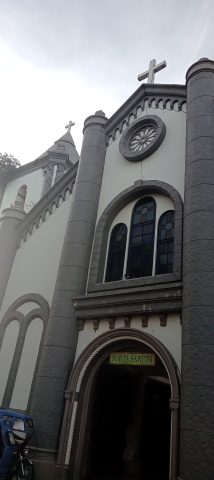
A short walk from the plaza stands the Church of St. Matthias, one of Tumauini’s oldest and most beautiful structures. Built in the late 1700s, it’s a fine example of Baroque architecture, with thick coral-stone walls, intricate carvings, and a bell tower that looms over the town. Inside, the cool, dim interior offers a quiet respite, the stained-glass windows casting soft light across the pews. For locals, the church has always been more than a place of worship—it’s a symbol of resilience, especially during difficult times.
Plaza Independencia comes alive in the evenings, when the heat of the day fades. Families stroll across the open space, children play, and elders sit on benches, chatting about the day’s events. It’s a scene that captures the unhurried rhythm of provincial life, far removed from the hustle of Manila or Cebu. During festivals, the plaza transforms into a vibrant display of local culture—traditional dances, live music, and stalls selling handmade crafts and sweets. The town’s patronal feast is particularly lively, with streets adorned in flowers and residents dressed in colorful, traditional attire.
Despite its historical weight, the plaza doesn’t feel like a relic. It’s a living, breathing part of Tumauini, evolving alongside the town. Nearby, small cafés serve locally grown coffee and fresh fruit, while vendors sell handmade souvenirs on street corners. Tumauini isn’t a place for luxury resorts or flashy entertainment. It’s quiet, unpretentious, and all the more meaningful for it.
For travelers seeking a deeper understanding of the Philippines beyond its beaches and tourist hotspots, Tumauini and Plaza Independencia offer a rare glimpse into the country’s soul. There are no crowds here, no pushy guides, no rush. Just a small town with a rich past and people who carry its stories forward. Walking across the plaza, it’s easy to imagine the voices that once filled the air—protesters debating freedom, children laughing, families gathering for celebrations.
Time moves differently in the Philippines, and Tumauini is one of those places where that’s especially true. Plaza Independencia isn’t just a landmark; it’s a living piece of history, still unfolding today. It reminds us that even in small towns, there are heroes, struggles, and traditions passed down through generations. If you ever find yourself in this part of Luzon, take a moment to sit on one of the benches, listen to the sounds of the town, and let its quiet rhythm settle in. You might just leave with a sense of having touched something real.