Rizal Park in Tumauini is one of those quiet corners of the Philippines where time seems to slow down, preserving the past in its unhurried rhythms. Unlike the crowded tourist spots of Manila or the polished resorts of Cebu, this small-town park carries a different kind of weight—one of history, memory, and the quiet dignity of everyday life. Named after José Rizal, the national hero whose ideas shaped the country’s struggle for independence, the park is less about grand monuments and more about the subtle ways a place can hold meaning for those who live around it.
The statue of Rizal here is understated, a bronze figure standing thoughtfully on a modest pedestal, as if caught in mid-conversation with the past. The park itself is simple: well-kept lawns, shaded benches, and the occasional rustle of leaves in the breeze. Locals gather here in the afternoons—elderly men playing chess under the trees, children darting between paths, and groups of young people chatting as the sun dips lower. On ordinary days, it’s just a place to pass the time, but when festivals roll around, the park transforms. During Rizal Day on December 30th, the entire town turns out, filling the space with music, food stalls, and the kind of communal warmth that feels like a living tradition.
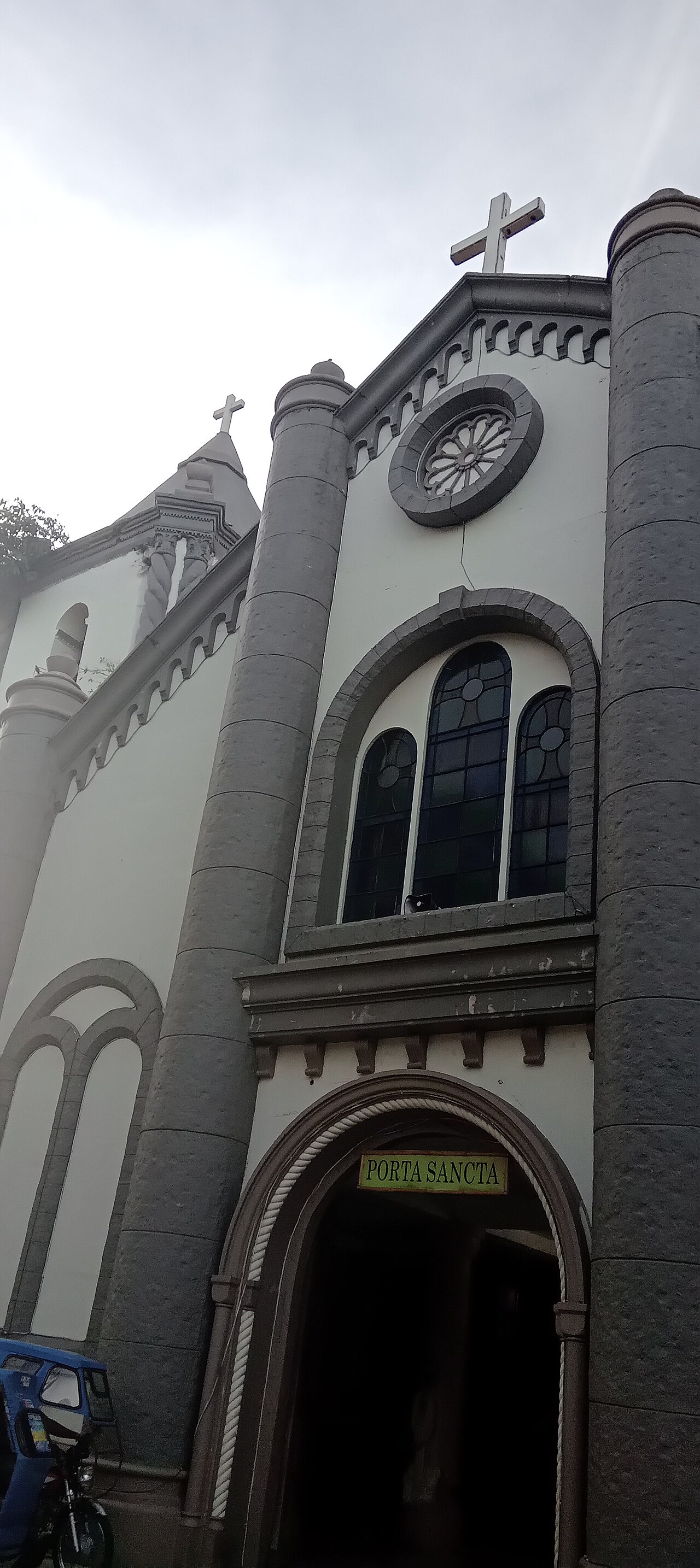
Tumauini itself is a town that wears its history lightly. Founded in the late 18th century during the Spanish colonial period, it was once a center of missionary activity in northern Luzon. The traces of that era are still visible in the architecture—low-slung houses with red-tiled roofs, narrow streets that curve without hurry, and the imposing San Matias Church just a short walk from the park. The church, with its thick stone walls and baroque details, is one of the most striking in the region, a reminder of how deeply faith and history are woven into the fabric of these towns. Together, the church and the park tell two sides of the same story: one of devotion, the other of defiance.
Life around Rizal Park moves at its own pace. Mornings bring the sight of women balancing baskets of fruit on their heads, or farmers leading carabao toward the market. The air carries the scent of sizzling pork, steamed rice, and coconut milk simmering in roadside eateries—simple meals that taste like home. By evening, the park glows under the soft light of streetlamps, and the shadows stretch long across the grass. Sometimes, the sound of a guitar drifts from a nearby house, or a karaoke machine kicks to life, its tinny notes blending with the hum of insects. It’s the kind of place where small moments feel significant, where the rhythm of life isn’t dictated by clocks but by the sun and the seasons.
For visitors, Rizal Park isn’t the kind of attraction that demands attention with flashy signs or guided tours. Instead, it offers something quieter: a chance to step into a version of the Philippines that exists beyond postcard-perfect beaches and resort towns. There are no crowds here, no vendors hawking souvenirs, just the occasional local who might nod in greeting or offer a smile. If you’re lucky, you might stumble upon a fiesta, when the whole town spills into the streets, dancing to folk music and sharing plates of lechon or pancit. These celebrations aren’t staged for tourists; they’re the real, unfiltered life of the place, where joy and tradition feel inseparable.
What makes Tumauini and its park special isn’t grandeur or spectacle, but the way they embody the Philippines’ quieter side. This is a country of small towns where history isn’t just preserved in museums but lived in the daily routines of its people. The park isn’t a destination in the usual sense—it’s a pause, a place to sit and watch the world go by. The trees here have seen generations come and go, the benches have held countless conversations, and the statue of Rizal stands as a silent witness to it all.
In a world where travel often feels like a checklist of must-see sights, Rizal Park reminds you that some of the most meaningful places aren’t the ones that shout for attention. They’re the ones that wait patiently, offering their stories to those willing to slow down and listen. Tumauini isn’t trying to impress anyone; it’s simply being itself—a town where the past and present coexist without fanfare, where a park isn’t just a patch of green but a living part of the community. If you find yourself here, don’t rush. Sit on a bench, watch the light change over the trees, and let the place reveal itself in its own time.